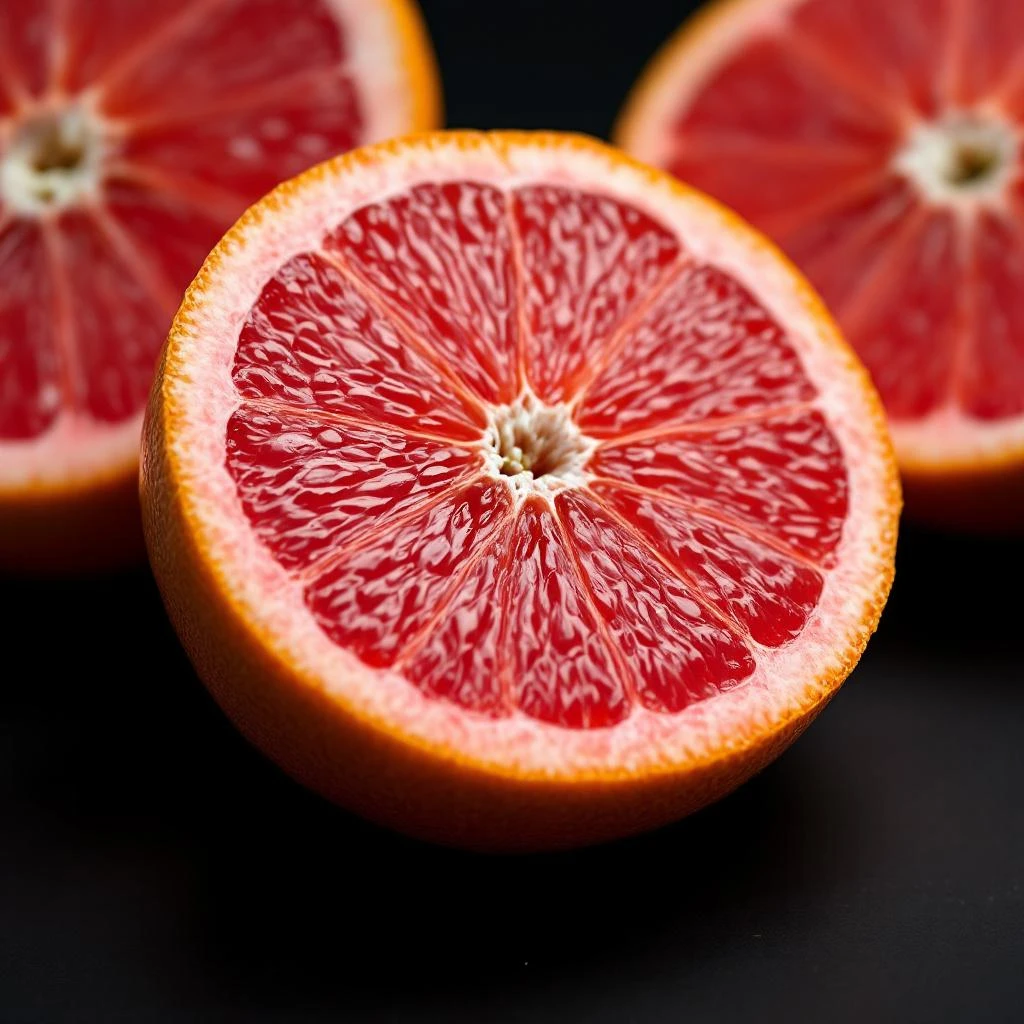
Sudachi citrus
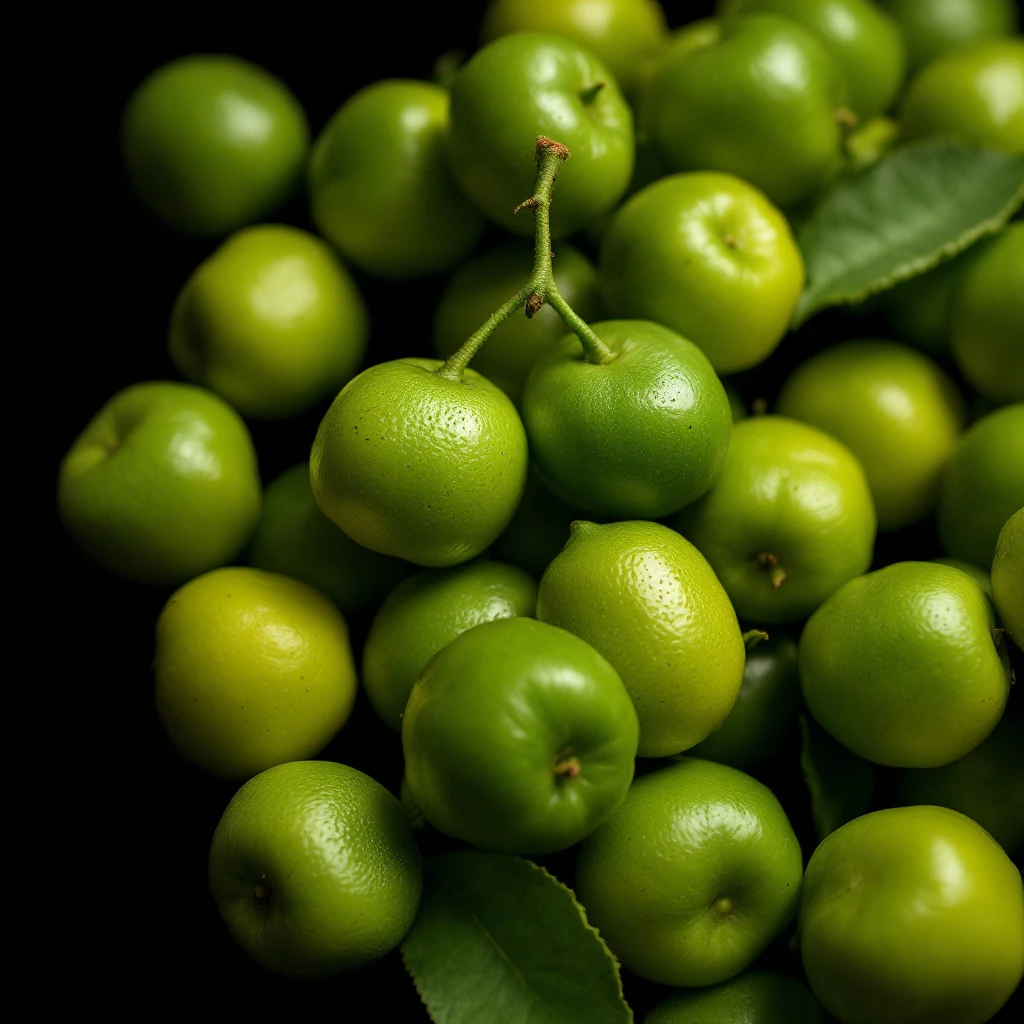
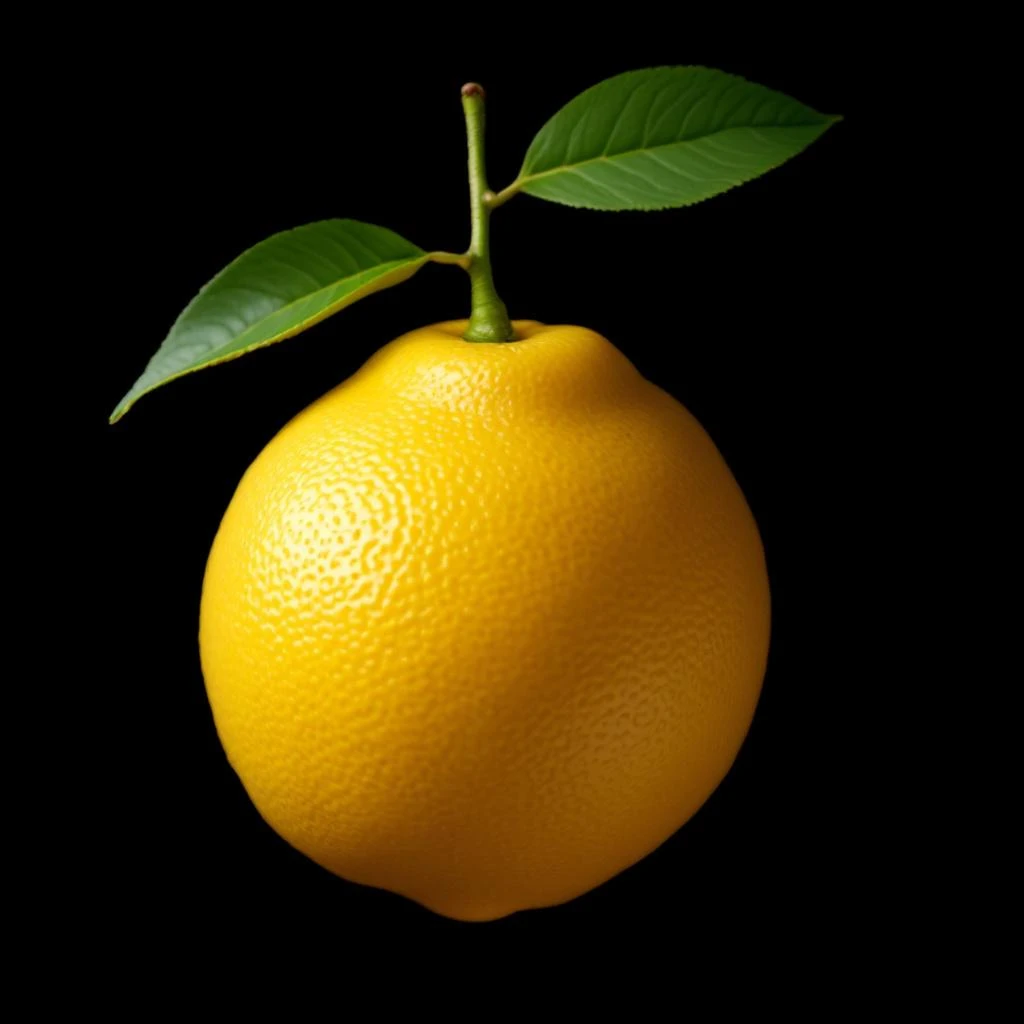
Sudachi brings a tart, mouth-puckering brightness to perfumery. Native to Japan's Tokushima Prefecture, this small green citrus carries the sharpness of yuzu with a distinctly grassy undertone found almost nowhere else on earth.
Character
How it smells
Japan's tartest citrus secret.
Sudachi juice is so acidic that chefs in Japan traditionally squeeze it as a finishing agent, much like a flavor exclamation point, and perfumers prize the peel for the same punchy intensity.





Origin
Japan
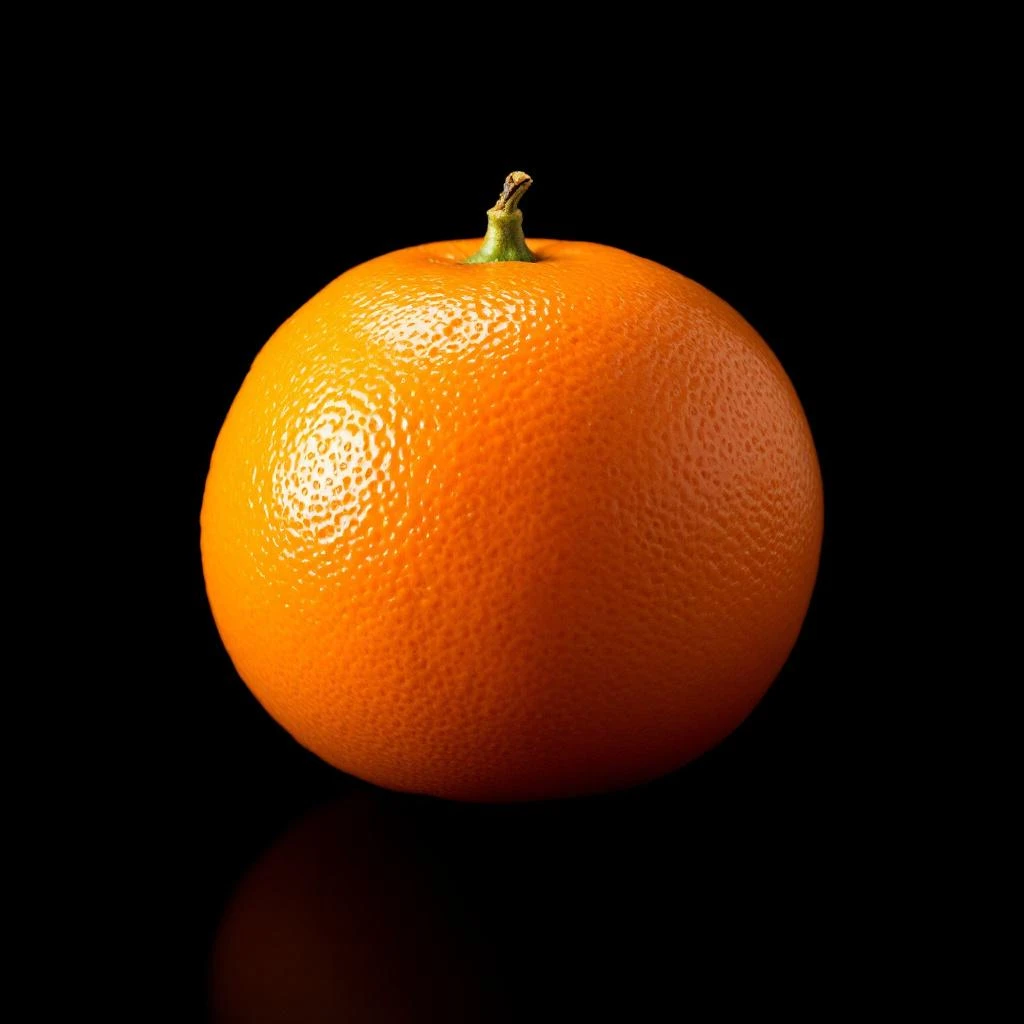
Sudachi cultivation stretches back to Japan's Nara period (710-794), though the fruit likely originated in China's Yangtze River basin and traveled to Japan via early trade routes. For centuries it remained a regional specialty, thriving in the warm, humid climate of Tokushima Prefecture on Shikoku island, where it became embedded in local cuisine and culture. Japanese perfumers began working with sudachi oil in the late 20th century as demand grew for regionally distinct citrus materials.
The fruit never achieved the global recognition of yuzu, partly because it was difficult to export fresh, but its aromatic profile has attracted a niche following among perfumers seeking something outside the standard citrus canon. Today it appears mostly in Japanese fragrance houses and specialty blends, rarely as a headline note but consistently as a supporting citrus that adds unexpected depth.
Wears it best
Fragrances featuring Sudachi citrus

Brands
Brands known for Sudachi citrus
Good to know
Questions, answered
The essentials on Sudachi citrus in perfumery: how it smells, where it comes from, and how it behaves on skin.
What does sudachi smell like in a fragrance?
Sudachi delivers a tart, sharp citrus aroma with green, almost grassy undertones. It reads brighter and more acidic than standard lemon, with a distinctive herbal edge that sets it apart from most Western citrus materials.
Is sudachi oil used in mainstream perfumery?
Sudachi remains a niche ingredient found primarily in Japanese fragrance lines and specialty blends. Its limited production volume keeps it out of mass-market formulations, but niche perfumers value it for its singular character.
How is sudachi oil extracted from the fruit?
Sudachi oil comes from cold expression of the fruit peel. This method preserves the volatile top notes that steam distillation would compromise, maintaining the citrus's signature sharp brightness.
Where does sudachi grow originally?
Sudachi originates from Tokushima Prefecture on Japan's Shikoku island. The fruit traces its roots to China's Yangtze River basin region, arriving in Japan via ancient trade routes over a thousand years ago.
Does sudachi appear in food as well as perfume?
Sudachi is a kitchen staple in Japan. Chefs use the juice and zest extensively in savory dishes, much like lemon elsewhere, and the fruit's extreme tartness makes it ideal as a finishing agent for soups, grilled fish, and hot pots.
Is sudachi related to yuzu or other Japanese citrus?
Sudachi belongs to the broader Japanese citrus family and shares aromatic qualities with yuzu, though its flavor profile is more sharply acidic with less floral complexity. It is considered a distinct species with its own characteristic profile.
How long does sudachi oil last in a fragrance composition?
As a citrus oil, sudachi functions primarily as a top note and tends to fade within 30 to 60 minutes on skin. Perfumers sometimes pair it with fixatives or heavier base materials to extend its presence.
Can sudachi be synthesized in a lab?
Some aromatic components of sudachi have been identified and can be reproduced synthetically, but the full oil profile remains difficult to replicate. Natural sudachi oil is preferred by perfumers working with regional and authentic ingredients.