Sudachi
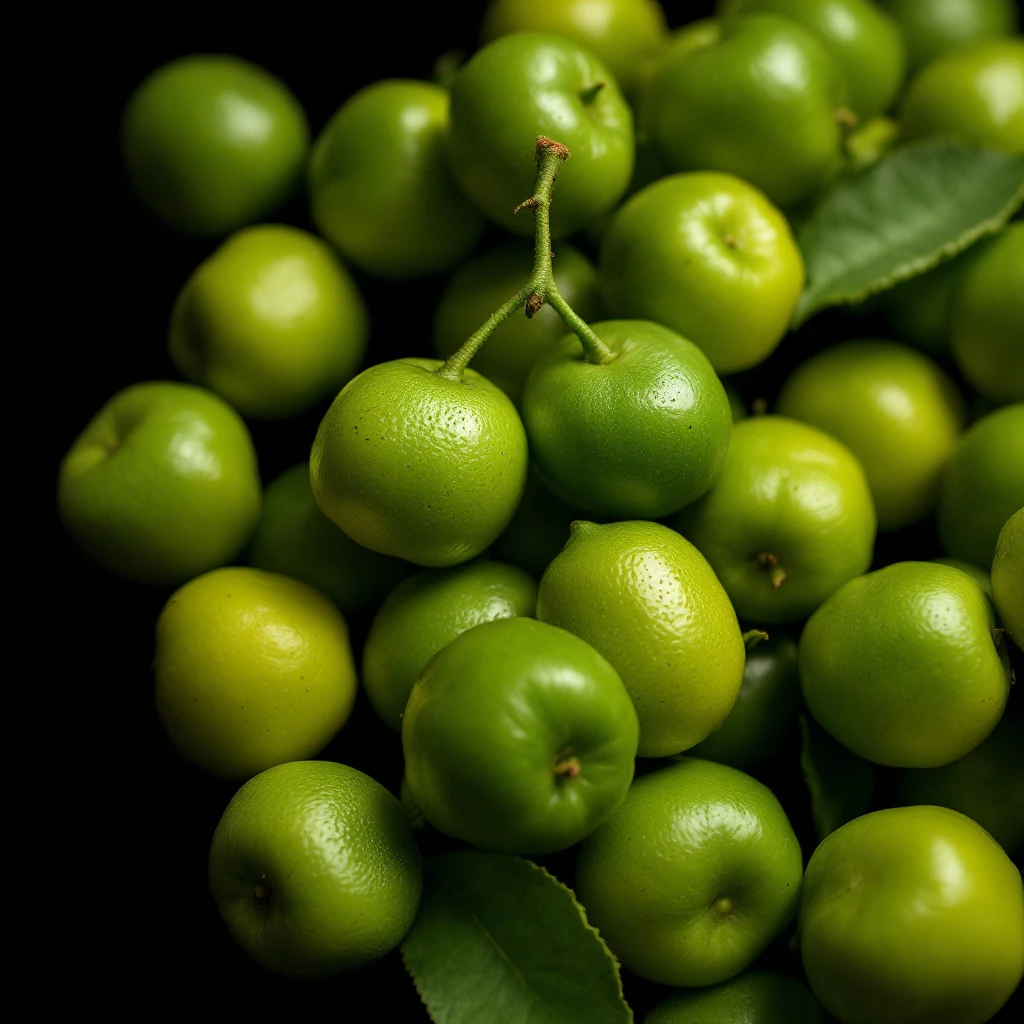
Sudachi is a small, tart citrus fruit endemic to Japan's Tokushima Prefecture. Its cold-pressed oil delivers a bright, green-lime aroma with spicy depth from trace cumin aldehyde. In perfumery, it functions as a sparkling top note that lifts compositions with authentic Japanese citrus character.
Character
How it smells
Japan's spiced citrus, bright and green with a tart lime soul.
Sudachi zest contains 69% limonene alongside gamma-terpinene, giving it a uniquely green-lime character unlike common citrus oils.







Origin
Japan
Sudachi traces its lineage to wild mandarin ancestors that arrived in Japan via ancient trade routes from China's Yangtze River basin around the 8th century, during the Nara period (710-794 CE). For over a thousand years, Japanese horticulturists cultivated and refined this citrus variety, developing the distinctive fruit that bears the name of the region where it flourished.
The fruit became a culinary staple in Tokushima Prefecture, valued for its intense sour juice and aromatic zest in regional cuisine. However, sudachi remained largely unknown outside Japan until perfumers recognized its exceptional aromatic potential. The fruit's unique combination of bright citrus and subtle spice offered something genuinely different from Western citrus oils like bergamot or lemon.
Sudachi achieved FEMA GRAS status (FEMA 4863), establishing its safety and acceptability for use in fragrance applications. This regulatory milestone opened the door for its integration into fine perfumery, allowing perfumers worldwide to incorporate a piece of Japanese citrus heritage into their creations. Today, sudachi represents the intersection of ancient East Asian botanical tradition and modern fragrance artistry.
Wears it best
Fragrances featuring Sudachi



Good to know
Questions, answered
The essentials on Sudachi in perfumery: how it smells, where it comes from, and how it behaves on skin.
What does Sudachi smell like in perfume?
Sudachi smells like bright, tart citrus with green, slightly herbal undertones. The trace cumin aldehyde adds a subtle spiced quality that sets it apart from ordinary lime or lemon. It reads as fresh, zesty, and distinctly Japanese citrus rather than generic citrus.
Why is Sudachi used in perfumery?
Sudachi provides authentic Japanese citrus character that other citrus oils cannot replicate. Its exceptional brightness makes it ideal for top-note lift, and the subtle spice from cumin aldehyde adds depth. Perfumers use it to create fresh, modern fragrances with genuine East Asian heritage.
Is Sudachi in perfume natural or synthetic?
Sudachi can be either natural or synthetic. Natural sudachi oil comes from cold expression of the fruit peel. Synthetic alternatives offer consistency and availability but lack the full complexity of natural sudachi, which contains minor constituents beyond its primary components.
What famous perfumes contain Sudachi?
Sudachi appears in numerous contemporary fragrances, particularly those marketed as fresh, aquatic, or aromatic. Its inclusion spans gender-neutral, masculine, and feminine compositions. Specific formulations vary by brand, as sudachi has become a recognized ingredient in modern perfumery.
Is Sudachi a top note, heart note, or base note?
Sudachi functions as a top note in perfumery. Like most citrus oils, it evaporates relatively quickly, typically within the first 15 to 30 minutes of wear. This makes it ideal for creating an initial bright, inviting impression that gives way to heart and base notes.
What notes pair well with Sudachi in perfume?
Sudachi pairs well with green tea, cedar, white florals, marine notes, and ginger. Floral companions like cherry blossom or hinoki cypress complement its Japanese character, while aquatic or ozonic notes enhance its freshness. It also combines effectively with other citrus varieties.
Where does Sudachi come from?
Sudachi originates from Tokushima Prefecture on Shikoku island, Japan, where it remains endemic. Historical records indicate its cultivation in Japan dates to the Nara period (710-794 CE), with ancestral roots in China's Yangtze River basin. The fruit thrives in Japan's warm, humid climate.
Is Sudachi used in men's or women's fragrances?
Sudachi appears in both men's and women's fragrances without strict gender association. Its bright, fresh character suits modern gender-neutral compositions, masculine aromatic fougères, and feminine citrus florals equally. The ingredient's versatility makes it a valued component across fragrance categories.