Omani Red Rose
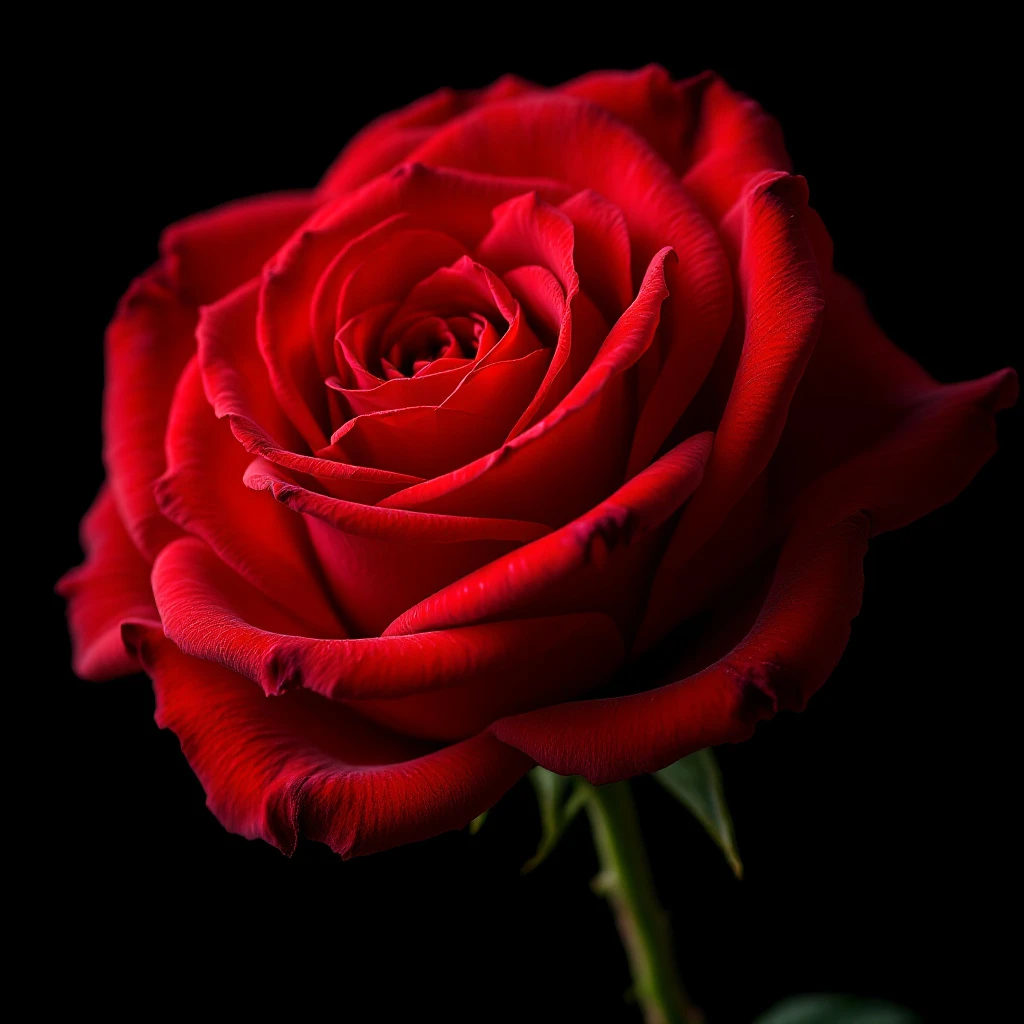
A rare treasure from Oman's mountain heights, the Omani Red Rose (Rock Rose) represents a historic breakthrough in Arabian perfumery. The Jabal Rose Project achieved the first-ever extraction of this native essence, creating an oil that captures the sun-warmed soul of the Arabian peninsula.
Character
How it smells
Oman's first indigenous rose oil, born from ancient mountains.
The Jabal Rose Project marked the first attempt in history to extract and distill the essence of the Omani Rock Rose, producing the world's newest rose oil.

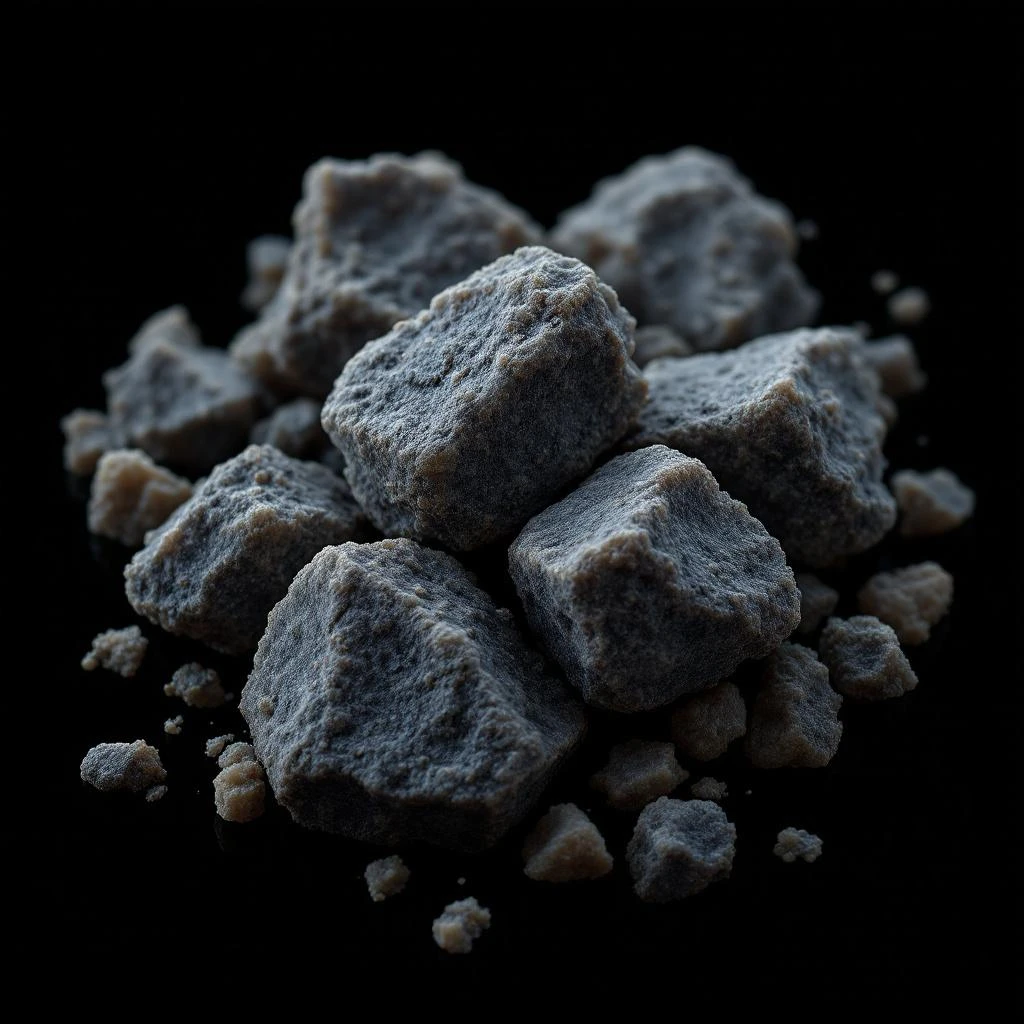
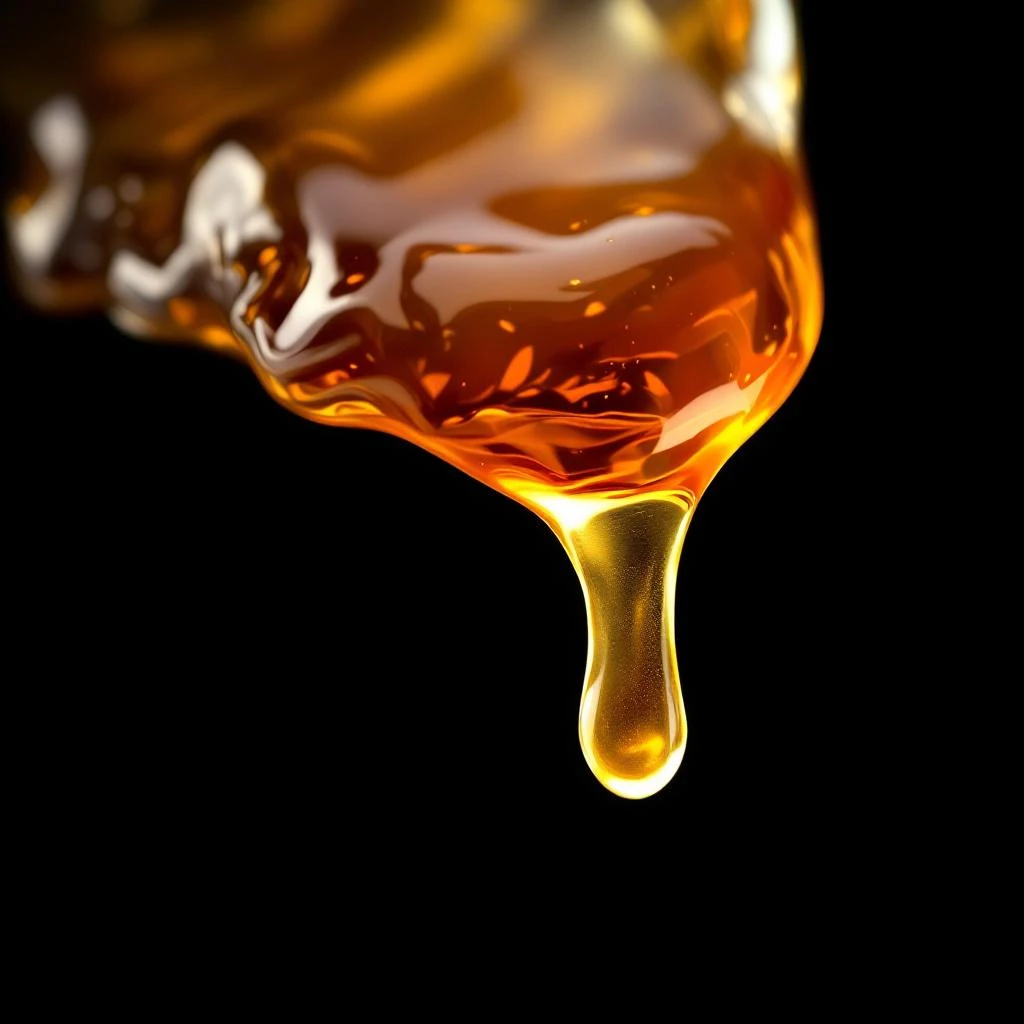
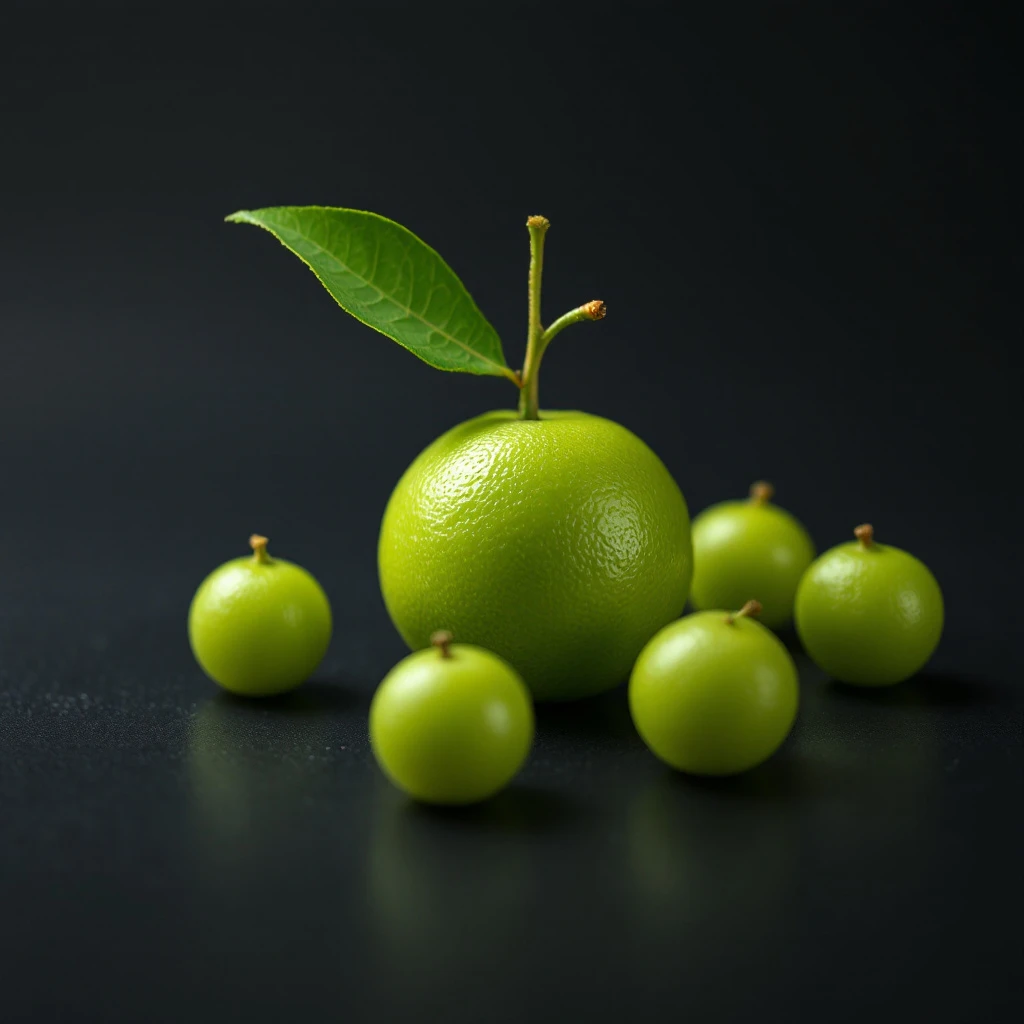
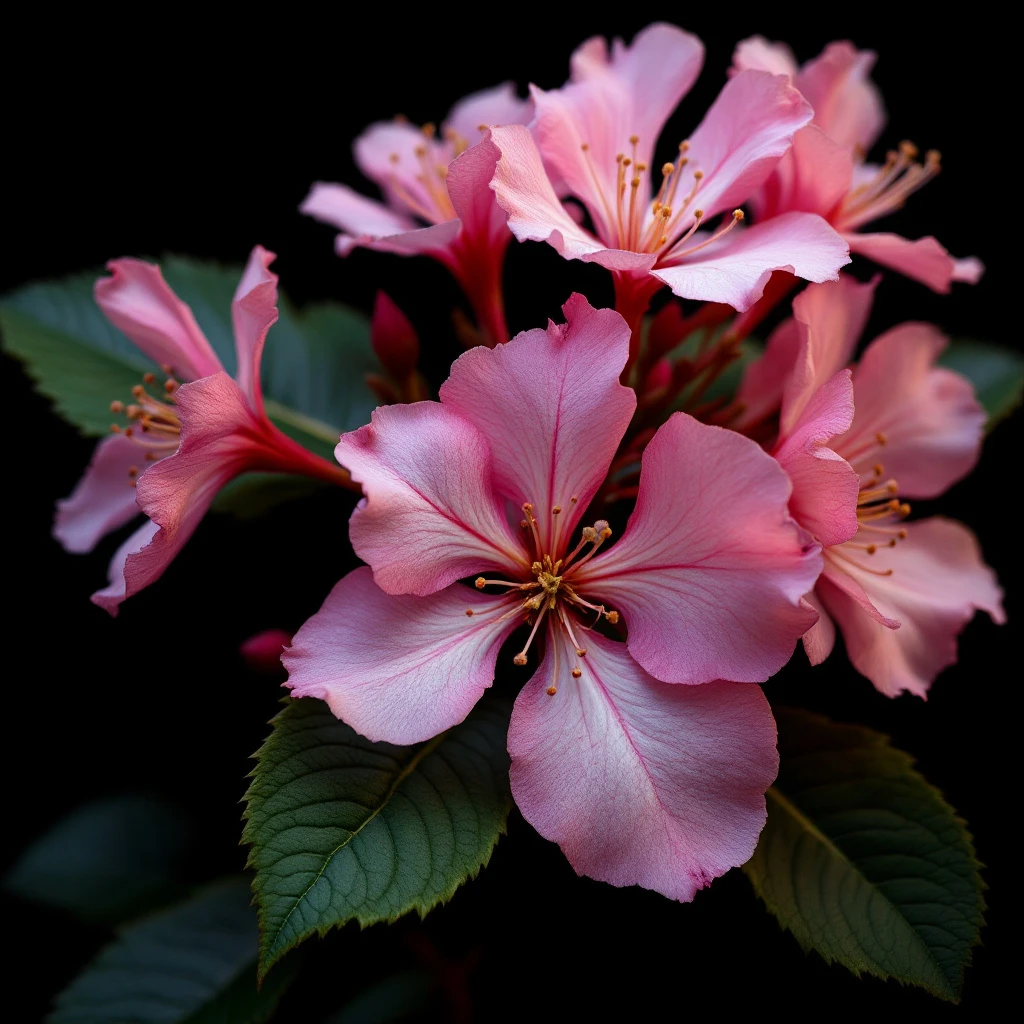
Origin
Oman
Roses have held ceremonial and aromatic significance across the Arabian Peninsula for millennia, with Omani perfumery traditions deeply rooted in both indigenous flora and trade-born aromatics. Unlike the celebrated Bulgarian Damask rose, the Omani variety comes from Cistus species native to the region's mountain slopes. The Jabal Rose Project represents a landmark achievement, marking the first time perfumers have attempted to capture this distinctly Arabian rose essence.
Traditional Omani practices have long featured rose water and bukhoor, rose-scented wood chips used in ceremonial burning. This new extraction capability signals Oman's emergence as a producer of its own rose oil rather than solely a consumer of rose products from Turkey, Bulgaria, and Iran.
Wears it best
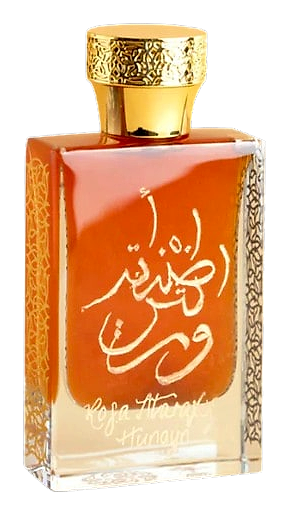
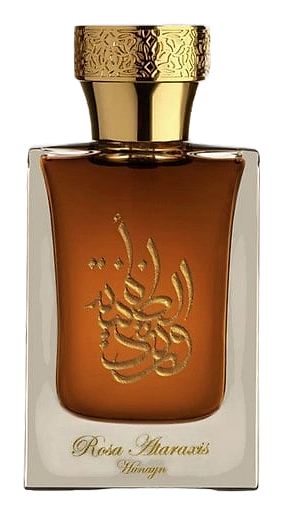
Fragrances featuring Omani Red Rose
Brands
Brands known for Omani Red Rose
Good to know
Questions, answered
The essentials on Omani Red Rose in perfumery: how it smells, where it comes from, and how it behaves on skin.
What makes Omani Red Rose different from Bulgarian or Turkish rose oils?
Omani Red Rose comes from Cistus species native to Arabian mountain slopes, whereas Bulgarian and Turkish oils derive from Rosa damascena. This gives it a distinct terroir-driven character reflecting Oman's arid climate and rocky terrain. It also represents the first extraction of this specific species, making it a novel ingredient in modern perfumery.
How is Omani Red Rose oil harvested and processed?
Harvesting occurs during peak bloom when rose concentration is highest. Immediately after picking, petals are rushed to nearby distillation facilities to prevent aroma degradation. Fresh processing is essential because the delicate volatile compounds begin dissipating quickly once harvested.
What does Omani Red Rose smell like?
The oil captures warm, sun-drenched floral notes with resinous undertones characteristic of rock rose species. Unlike the deep rosy freshness of Bulgarian rose otto, the Omani variety offers a more rugged, aromatic profile that reflects its mountain habitat and the harsh Arabian environment.
Why is the Jabal Rose Project significant?
The project achieved the first extraction of Omani Rock Rose essence in history, creating Jabal Rose Oil. This broke new ground for Arabian perfumery, establishing Oman as a potential source country for indigenous rose oil rather than solely an importer of finished rose products.
Is Omani Red Rose a sustainable ingredient?
Early production focuses on small-batch, controlled harvesting to protect wild populations. The Jabal Rose Project prioritizes sustainable wildcrafting practices, as the species grows in protected mountain regions including areas near UNESCO-listed Wadi Dawkah.
How does Omani Red Rose connect to traditional Omani perfumery?
Rose has been central to Omani traditions through bukhoor and rose-scented ceremonies for centuries. The Jabal Rose Project builds on this heritage by creating a domestically produced rose oil rather than relying on imported materials, strengthening cultural connections between fragrance and national identity.
What is the global rarity of Omani Red Rose oil?
Omani Red Rose oil is exceptionally rare as the world's newest rose oil variety, with production beginning only recently through the Jabal Rose Project. Global rose oil production remains dominated by Bulgaria, Turkey, and Morocco, making this indigenous Omani oil a limited and distinctive ingredient.
Can synthetic alternatives replicate Omani Red Rose?
Synthetics can approximate certain rose odorants but cannot replicate the full aromatic complexity of naturally extracted Omani Red Rose. The oil contains hundreds of trace compounds that vary based on harvest timing, altitude, and soil conditions, creating nuances that laboratory synthesis cannot fully capture.





