Australian Rose Myrtle
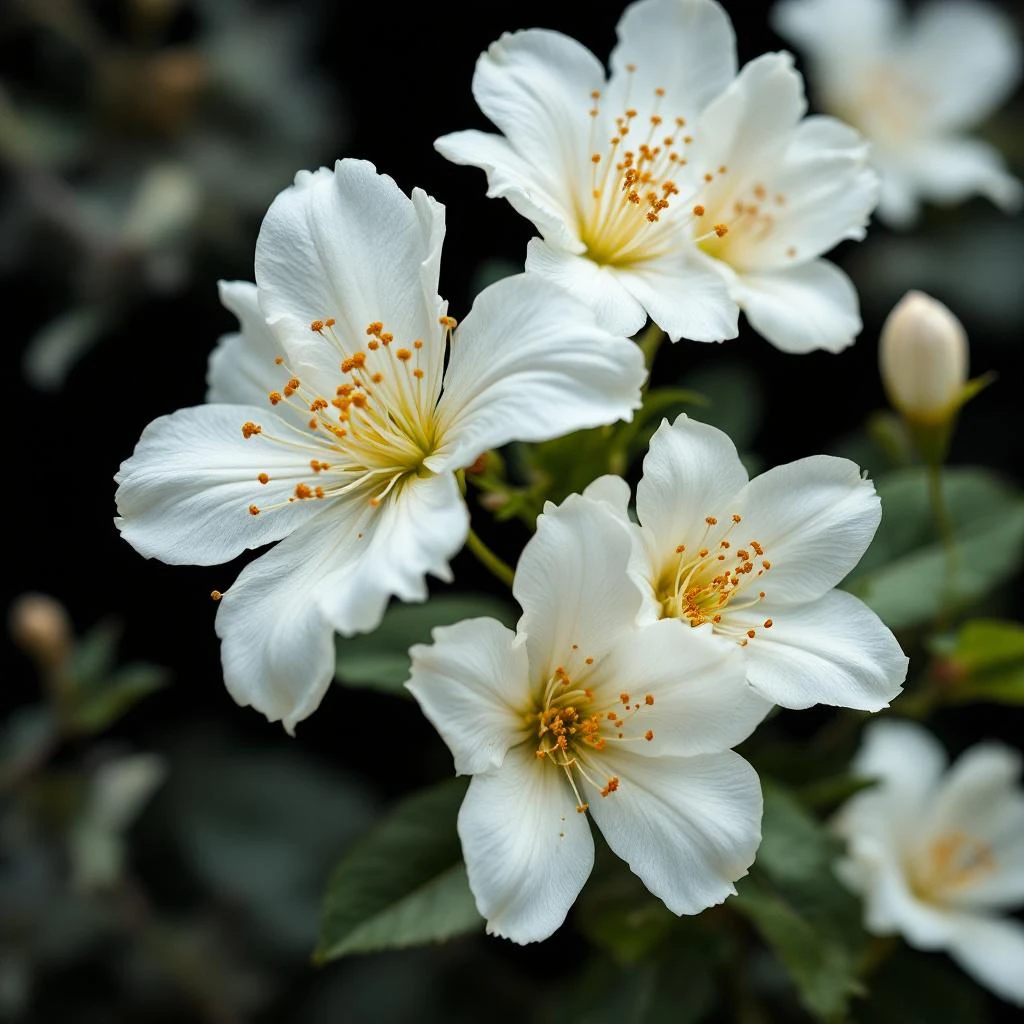
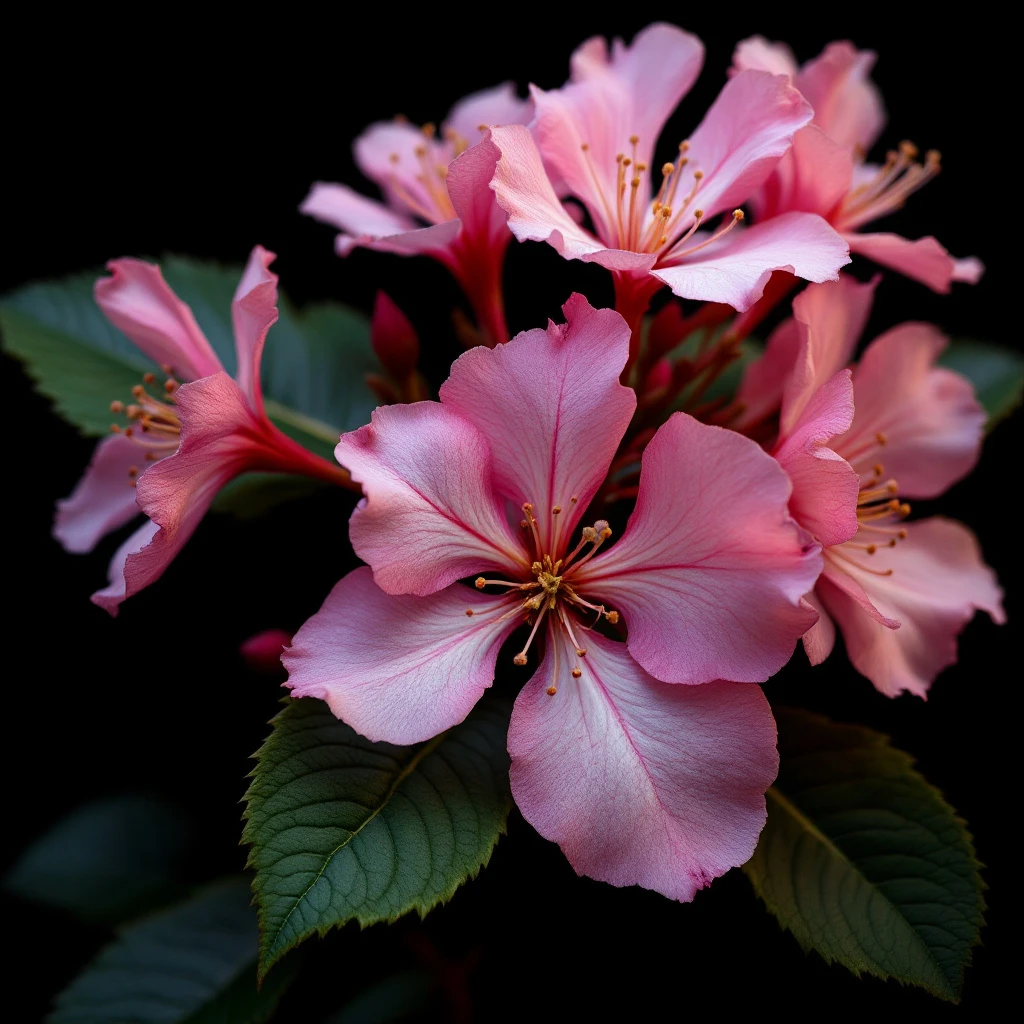
Australian Rose Myrtle delivers a luminous floral sweetness rooted in the ancient forests of Queensland and New South Wales, offering perfumers a distinctive native bloom from the land down under.
Character
How it smells
A luminous bloom from Australia's ancient forests
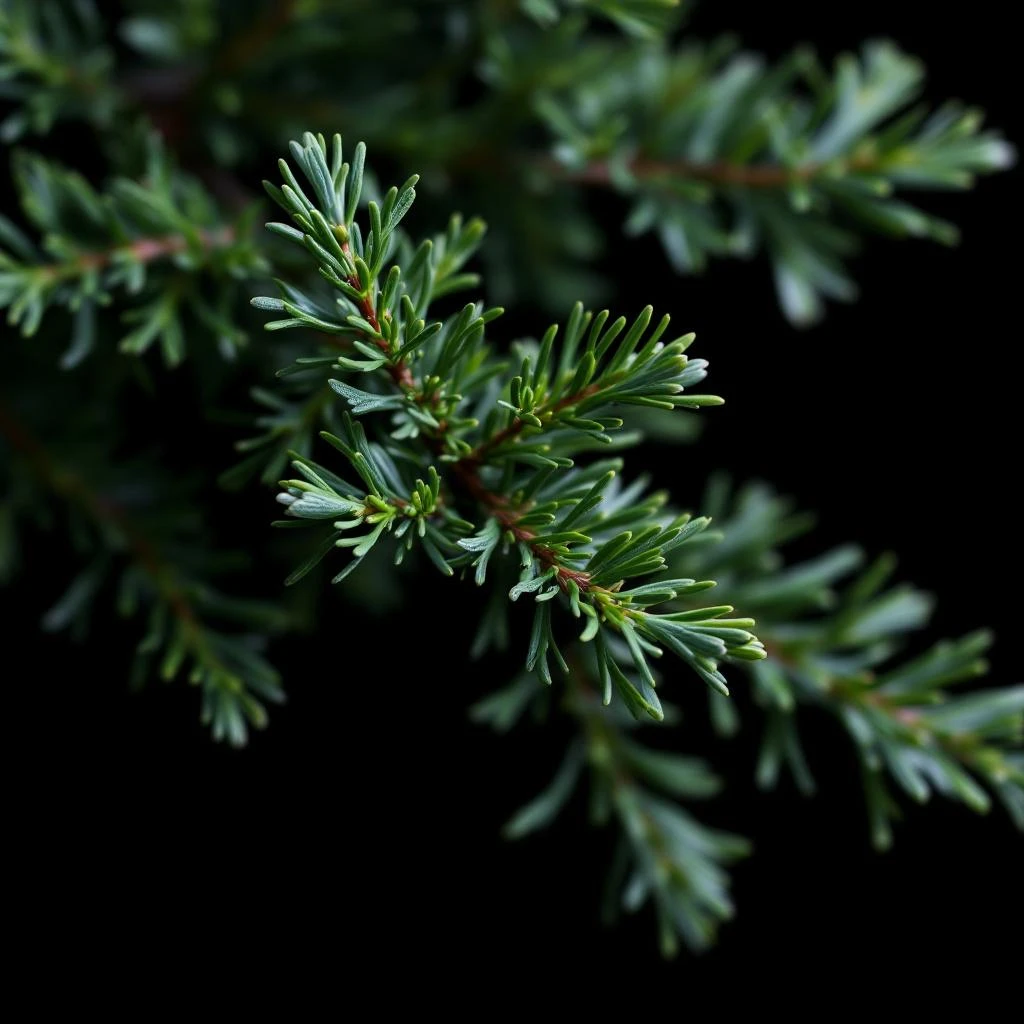
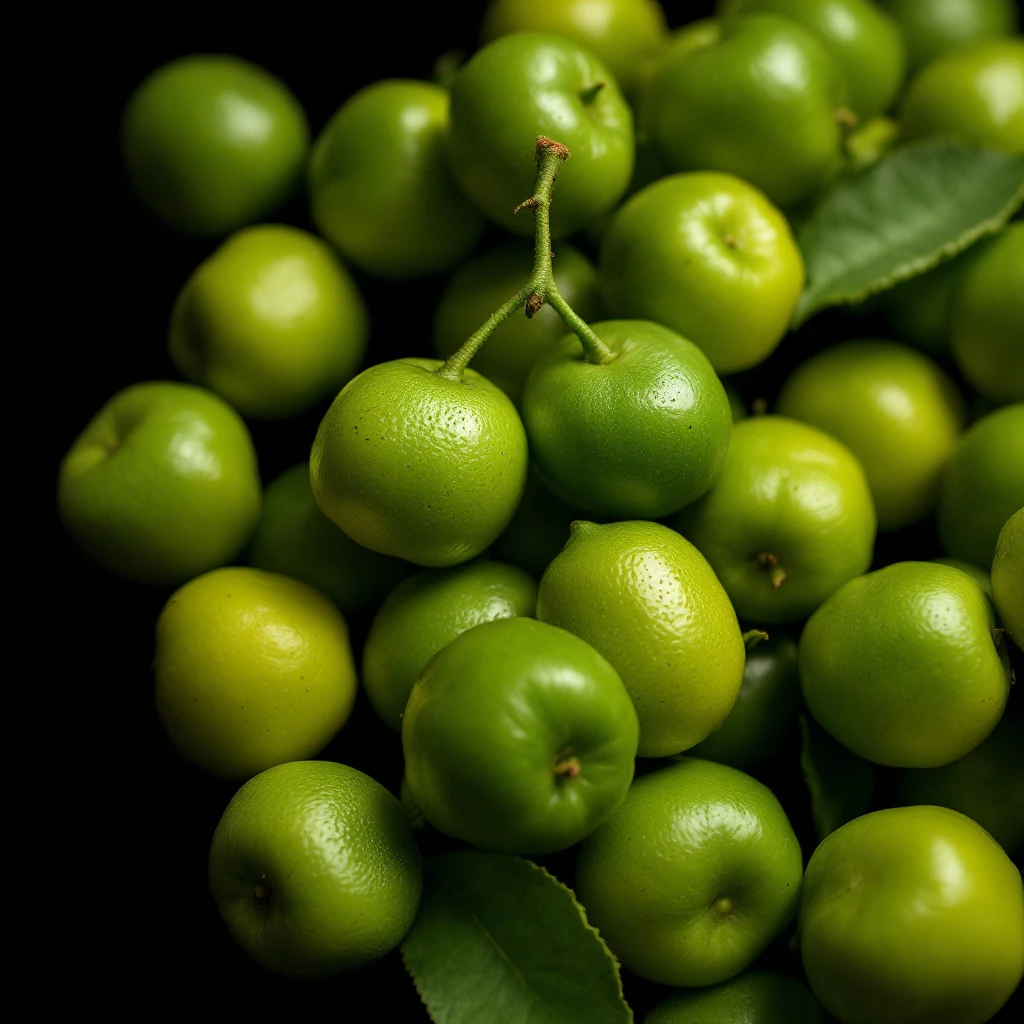
Australian Rose Myrtle grows wild across Queensland's subtropics, thriving in the same forests that once sheltered early perfumers sourcing native botanicals.

Origin
Australia
Australia's native Myrtaceae family has deep roots in traditional use, with Indigenous communities long valuing local botanicals for ceremonial and practical purposes. The emergence of Australian native ingredients in fine perfumery traces to the 1990s and 2000s, when perfumers began exploring ingredients beyond traditional European and Oriental palettes. Today, sustainably grown and harvested Australian botanicals like Rose Myrtle represent a shift toward eco-conscious fragrance production, with native extractors partnering directly with growers to ensure quality and supply chain transparency.
Wears it best
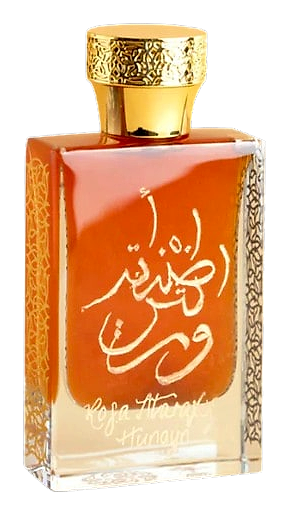
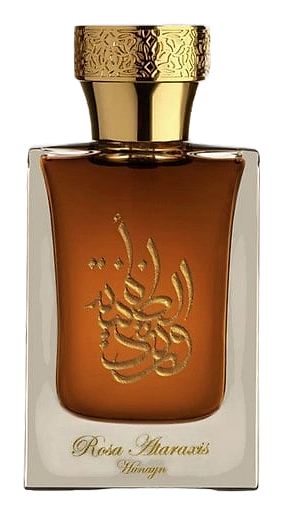
Fragrances featuring Australian Rose Myrtle
Brands
Brands known for Australian Rose Myrtle
Good to know
Questions, answered
The essentials on Australian Rose Myrtle in perfumery: how it smells, where it comes from, and how it behaves on skin.
What does Australian Rose Myrtle smell like?
Australian Rose Myrtle carries a luminous, sweetly floral character with subtle fruity undertones, distinct from the more camphoraceous profile of Mediterranean myrtle.
Where does Australian Rose Myrtle originate?
The ingredient traces to eastern Australia's subtropics, primarily Queensland and northern New South Wales, where native Myrtaceae species grow in forested regions.
How is Australian Rose Myrtle extracted?
Steam distillation and supercritical CO2 extraction are the primary methods, chosen to preserve the delicate floral constituents characteristic of this native ingredient.
Is Australian Rose Myrtle used in niche or mainstream perfumery?
Australian botanicals like Rose Myrtle appear mainly in niche and artisanal fragrances, where they serve as distinctive accents differentiating formulas from mass-market offerings.
What part of the plant is used for fragrance?
The fresh flowering material provides the raw material for extraction, capturing the volatile compounds present during the plant's natural bloom cycle.
Is Australian Rose Myrtle sustainable to harvest?
Responsible sourcing networks now connect Australian growers with extraction facilities, supporting sustainable harvest practices for native botanical ingredients.
How does Australian Rose Myrtle differ from Mediterranean myrtle?
Mediterranean myrtle carries sharper, more balsamic and camphoraceous notes, while Australian Rose Myrtle presents a softer, more fruit-forward floral profile suited to different fragrance families.
What fragrance families pair well with Australian Rose Myrtle?
Its luminous floral character complements citrus, aquatic, and green accords, and it works particularly well in modern florals seeking a distinctive native Australian signature.