The Story
Why it exists.
The beginning
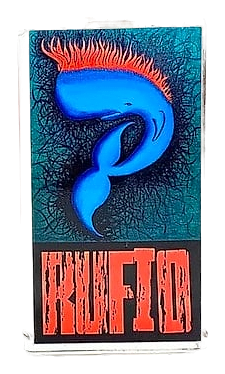
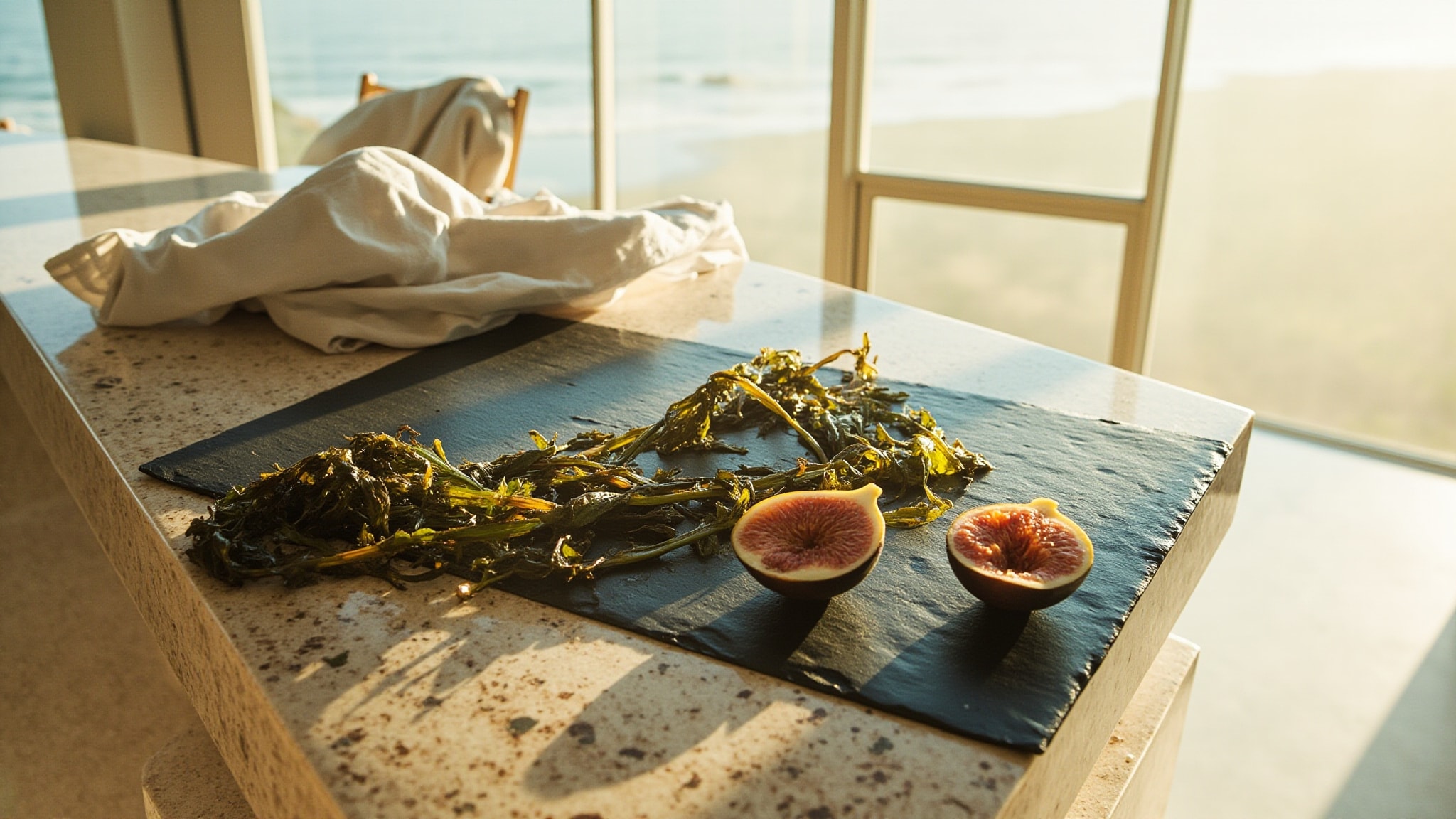
Rufio was built around an elemental energy: not civilized, not polished, but deeply in tune with something older than human comfort. James Barry worked with seaweed, ambergris, and champaca, layering them until the composition felt less like a beach and more like a shore. The seaweed provides a deep, mineral greenness, the iodine-sharp scent of ocean vegetation pulled taut across wet rock. Ambergris brings a warm, animalic depth, the smell of the sea if it had been breathing for a very long time. Champaca rises through the marine layer like sunlight breaking through fog, floral but not soft, golden without being sweet. These materials interlock, each supporting the others, until the whole thing feels like a single continuous impression of coastline and deep water.
What makes Rufio unusual is its refusal to choose between the ocean and the animalic. This one pulls in the opposite direction. The ambergris is not an afterthought, it is the structural core, the thing that keeps the seaweed and champaca from floating apart. Ambergris has a word for this in perfumery: fixative. But that's the chemistry. The experience is simpler, it smells like the ocean if the ocean had been breathing for a very long time.
The evolution
The opening lands cold and wet. Kelp, brine, the iodine-sharp green of seaweed pulled taut across wet rock. Thirty seconds in, the ambergris arrives, not warm yet, just present, a counterweight to the salt. Within five minutes, the champaca rises through the marine layer like sunlight breaking through fog. It is floral but not soft, golden without being sweet. The sandalwood arrives around the twenty-minute mark, grounding the whole thing into something wearable rather than conceptual. By hour two, the labdanum and onycha have settled into a resinous drydown that smells less like the sea and more like driftwood left in the sun. The transition from wet marine opening to warm, resinous base happens gradually, each stage overlapping with the next. The fragrance moves through distinct phases without sharp boundaries, the marine quality softening as the ambergris and wood notes come forward.
Cultural impact
Rufio is discontinued. That fact changes everything about how it circulates. Within the small world of indie fragrance collectors, a discontinued TSVGA bottle carries a specific kind of weight. The fragrance has a marine-animalic combination that is unusual enough that it doesn't slot easily into any trend. It holds its ground. In a market full of safe choices and calculated appeal, this one went somewhere else. It wasn't trying to please everyone. It was trying to be exactly what it was. For those who found it, that specificity was the point.