Onycha
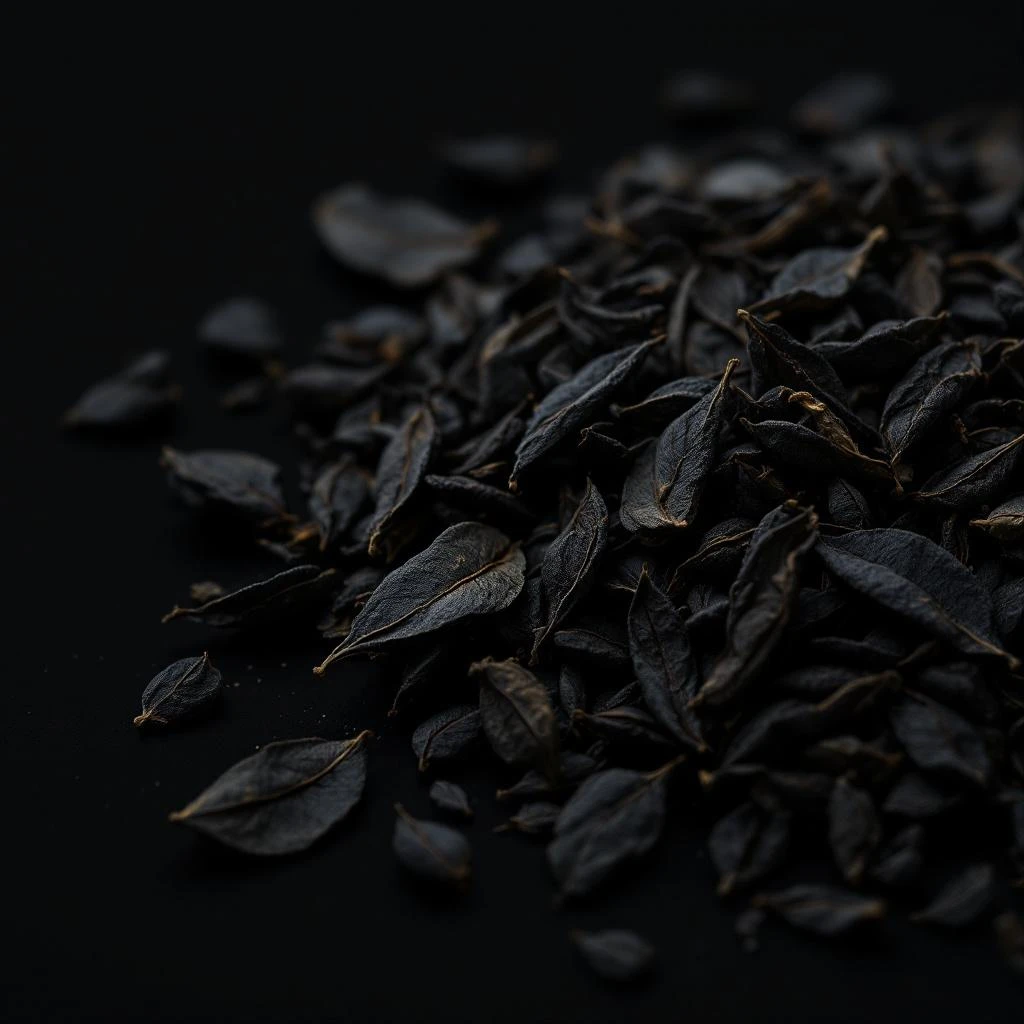
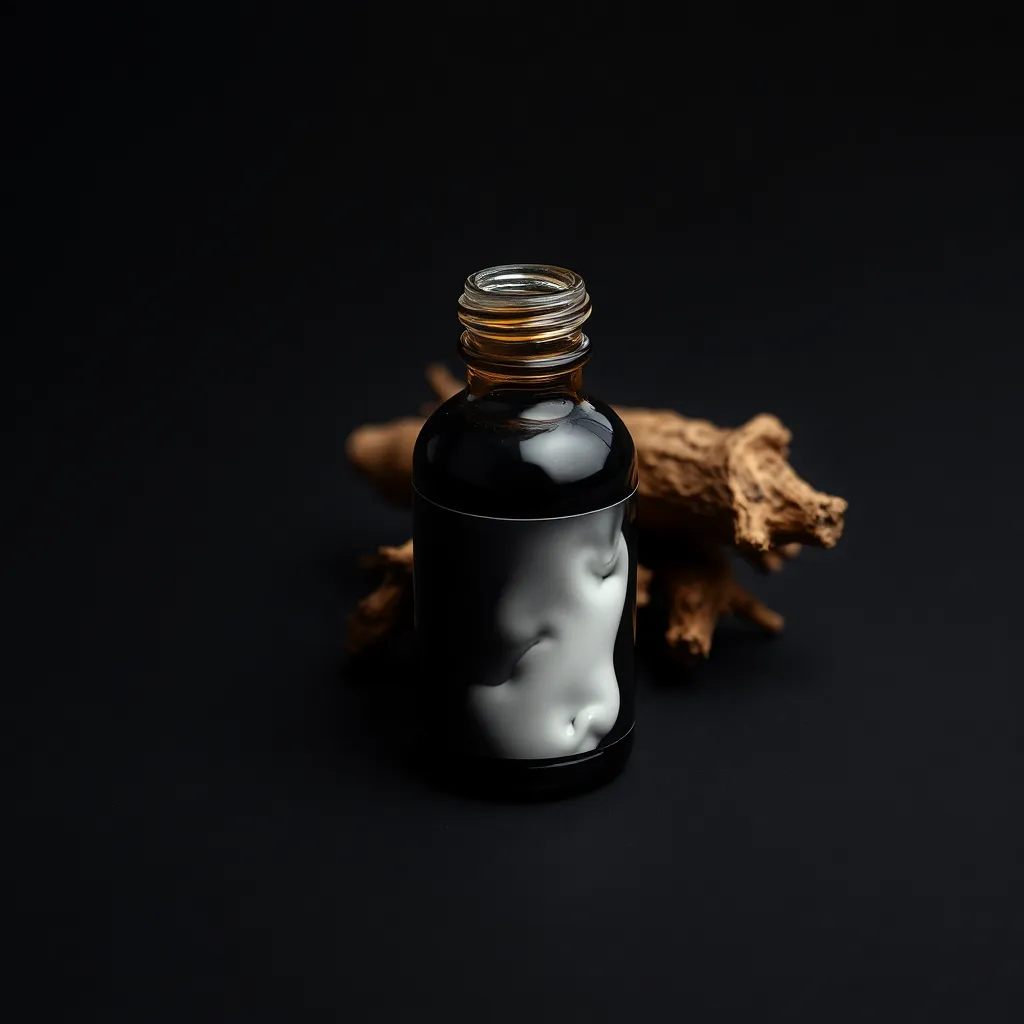
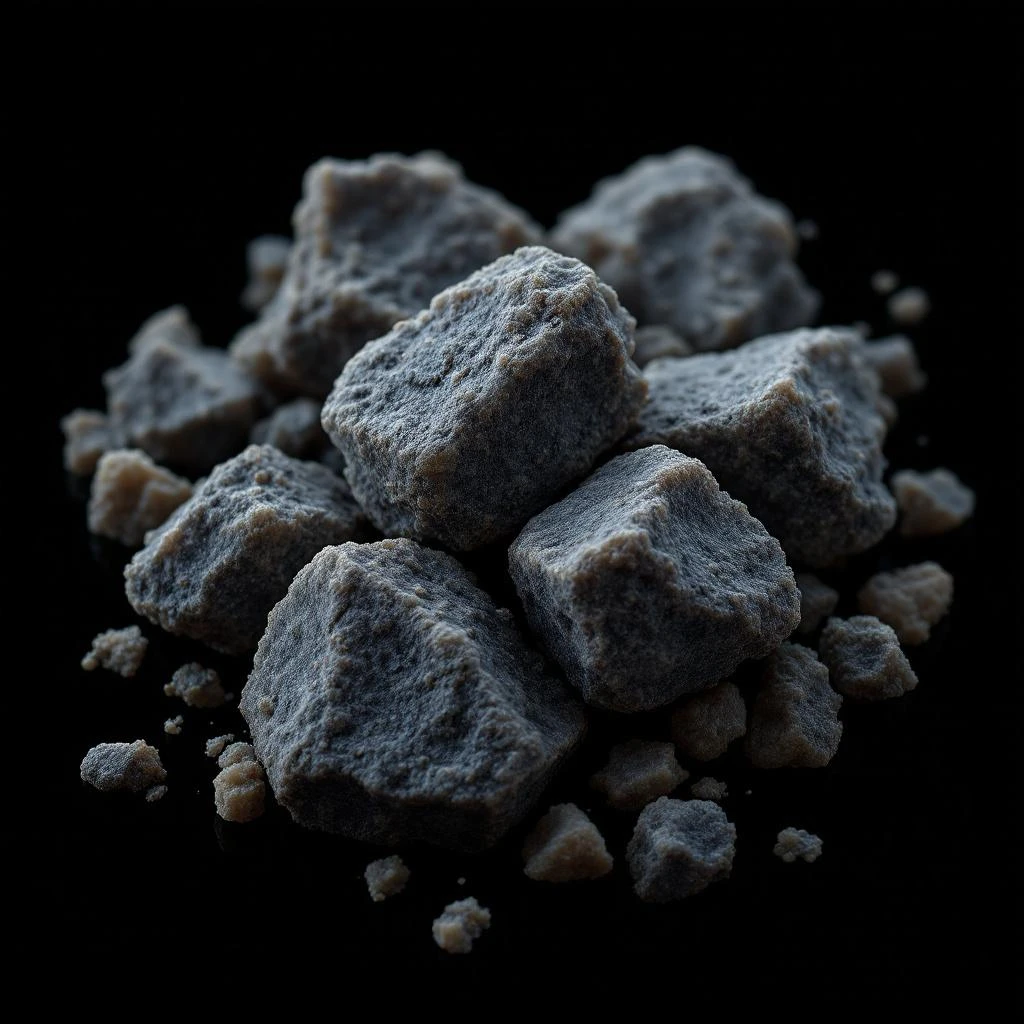
Onycha is a rare animalic ingredient: a fragrant essence from the operculum of sea snails, used in sacred incense since ancient Egypt. Its deep, smoky, leathery character has fascinated perfumers for millennia.
Character
How it smells
From the sea to the sacred
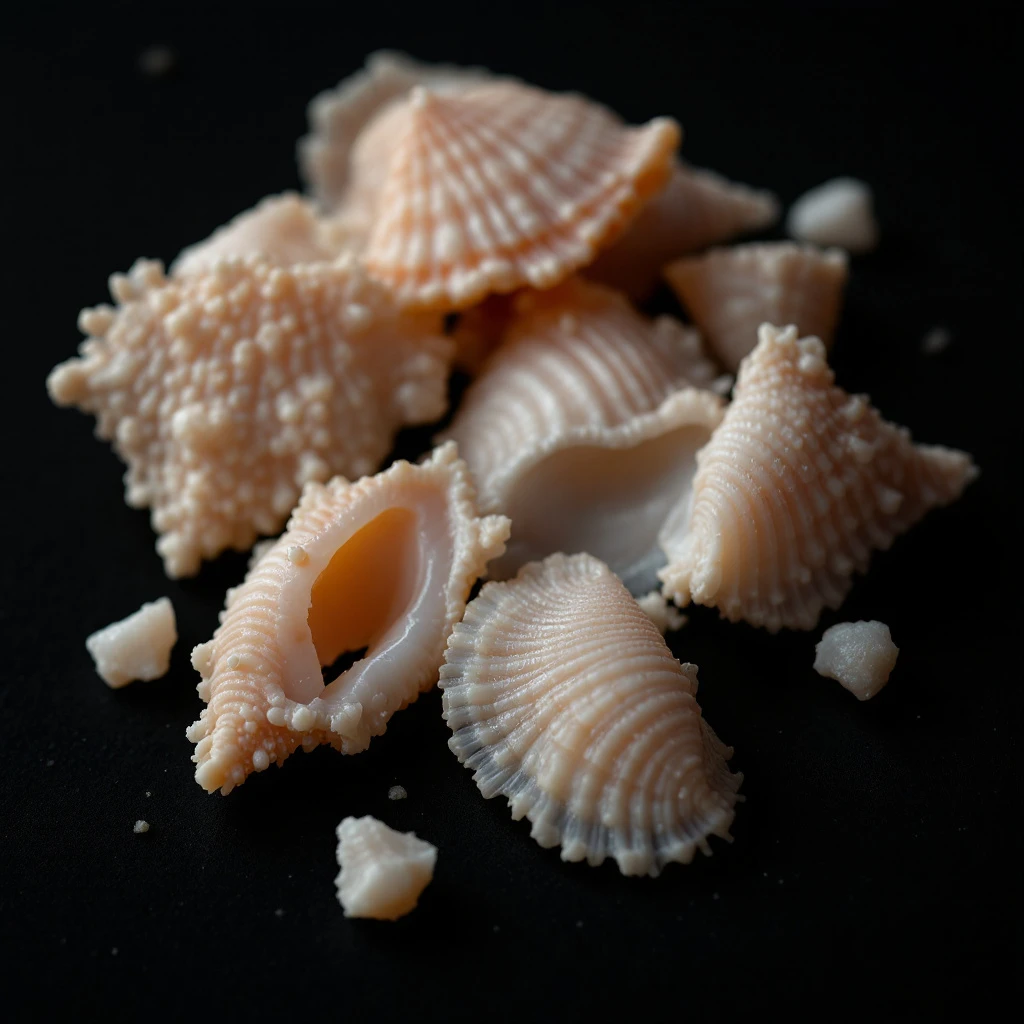
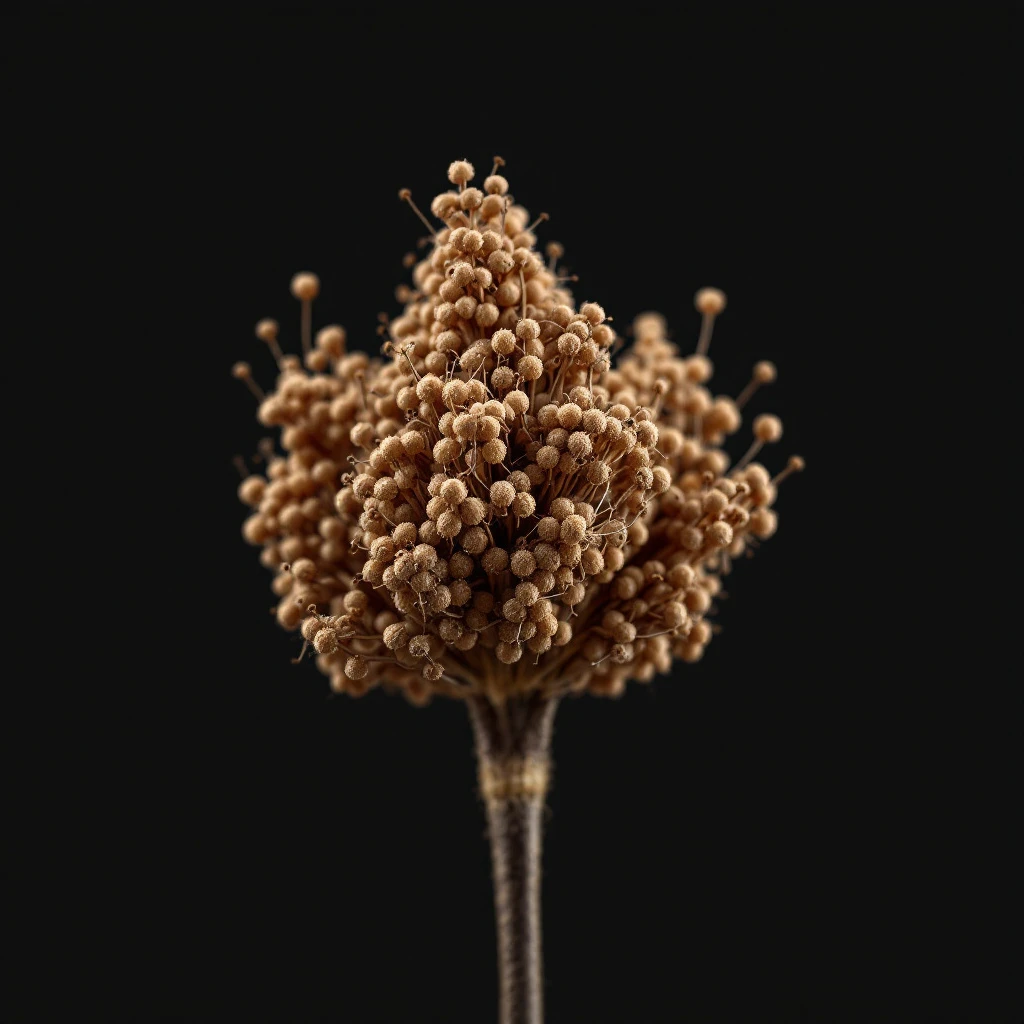
The operculum resembles a small claw, giving onycha its name from the Greek word for nail.




Origin
Indonesia
Onycha appears in some of the oldest perfume formulas known to history. Ancient Egyptian temple incense relied on it, and it formed part of the sacred ketoret described in Biblical texts. The Hebrew scripture identifies she elet onycha as one of four aromatic components in the holy incense blend.
Rabbinic sources also reference its use in ancient ritual contexts. Perfumers in medieval Arabia continued working with the material, documenting its smoky, leathery qualities in early treatises. The ingredient gradually fell out of common Western perfumery use after the 12th century but never disappeared entirely.
Modern artisan and niche fragrance houses now seek it out for historical reconstructions and rare natural perfumery projects, bringing renewed attention to this ancient marine treasure.
Wears it best
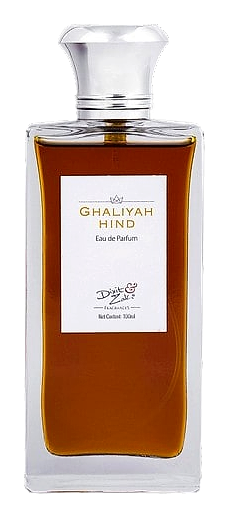
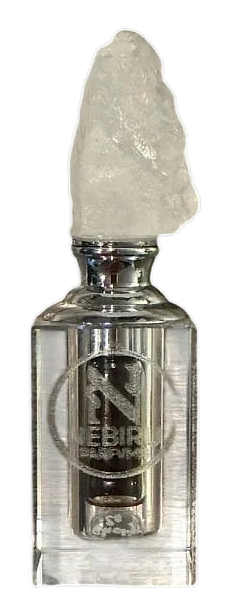
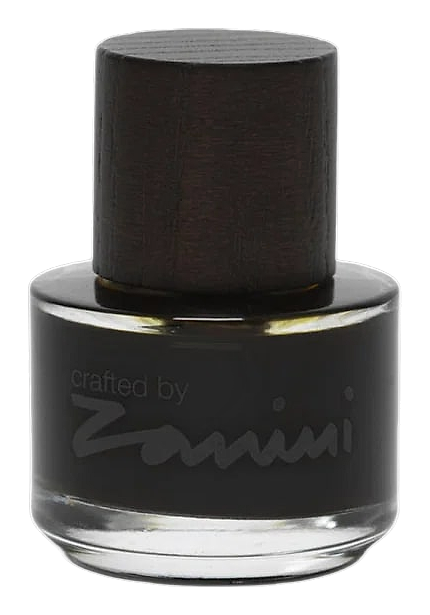
Fragrances featuring Onycha

Brands
Brands known for Onycha
Good to know
Questions, answered
The essentials on Onycha in perfumery: how it smells, where it comes from, and how it behaves on skin.
What is onycha in perfumery?
Onycha is a rare animalic ingredient derived from the operculum of marine gastropods, the trapdoor-like shell structure these snails use to seal themselves inside. It imparts deep smoky, leathery, and balsamic notes to fragrance compositions.
What does onycha smell like?
Onycha offers a complex profile: smoky, leathery, and deeply resinous with marine undertones and a subtle vegetative quality. Its animalic warmth makes it highly distinctive among natural perfume ingredients.
Where was onycha used historically?
Ancient Egyptian temple priests used onycha in sacred incense formulations for religious ceremonies. It also appears in Biblical scripture as a component of the holy ketoret incense blend, making it one of perfumery's oldest documented ingredients.
Is onycha still used in modern perfumery?
Onycha appears rarely today due to sourcing challenges and regulatory considerations. Only a handful of artisan and niche fragrance houses work with genuine natural onycha, typically in limited editions or historical reconstruction projects.
How does onycha differ from other animalic ingredients?
Unlike civet or musk, onycha carries a pronounced marine and smoky quality alongside its animalic warmth. This oceanic dimension sets it apart and connects it to its sea-snail origin in a way land-based animalics do not.
Are there ethical concerns with onycha sourcing?
Responsible sourcing matters since the operculum comes from living marine snails. Ethical suppliers harvest the operculum without killing the animal, though the practice remains uncommon and difficult to verify at scale.
What dilution rate do perfumers use for onycha absolute?
Due to its exceptional potency, onycha absolute typically dilutes to 0.1 to 2 percent in perfumer's alcohol or a neutral carrier. Even at these low concentrations, its character remains distinctly perceptible in blends.
Do synthetic alternatives exist for onycha?
No direct synthetic equivalent captures onycha's exact profile, which combines marine, smoky, leathery, and balsamic facets. Materials like cashmeran or certain amber bases approximate portions of its scent but miss the full complexity of the natural ingredient.