The Story
Why it exists.
The beginning
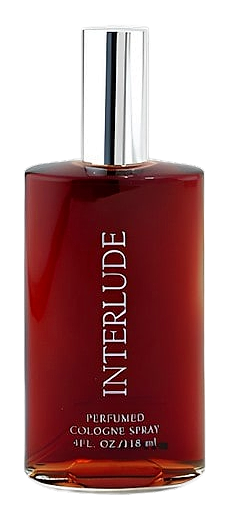
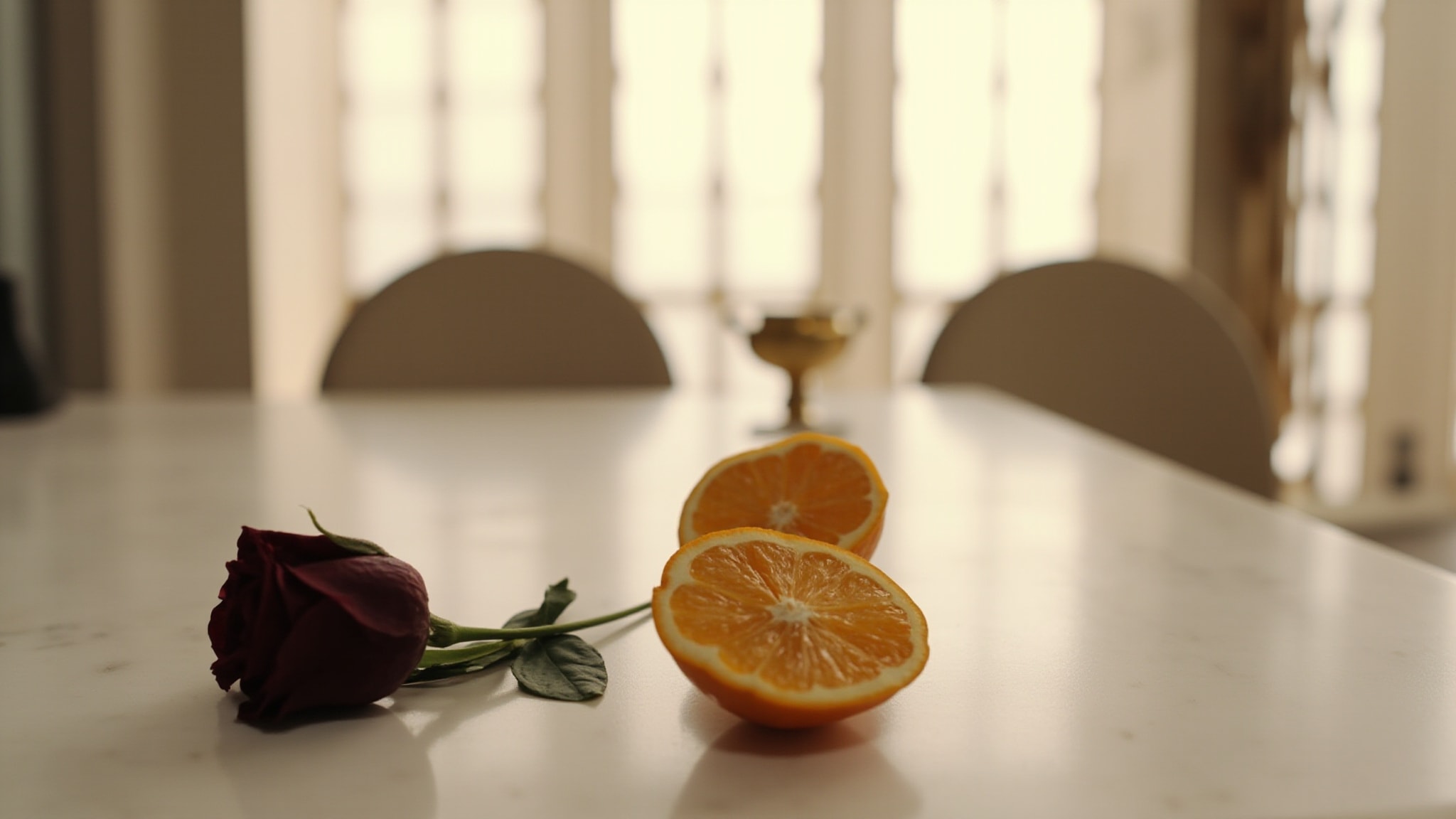
Interlude arrived from the Frances Denney house in 1965. By that point the company had already established a line of fragrances, and Interlude entered the catalog as an oriental floral composition that found its audience quickly. The name itself suggests a pause, a breath between movements, which is exactly how the fragrance behaves on skin. Citrus opens the conversation, florals take it somewhere warmer, and the base settles in like someone deciding to stay past dessert. The opening is brisk and clean, lifted by bergamot and a touch of orange that feels almost cold at first spray, like stepping into a room where the windows are still open in early spring. The transition into the heart is unhurried, almost courteous, as if the citrus knows it is only visiting and does not want to overstay.
What makes the composition interesting is the restraint inside the warmth. Rose and jasmine form the heart, but the base does the heavy lifting with patchouli, myrrh, and musk layered underneath. Myrrh gives the drydown an ancient, resinous edge that keeps the florals from going sweet. Patchouli adds depth without disturbing the composure of the rest. The bergamot and orange in the opening pull double duty, bright enough to lift the composition but bitter enough to keep it grounded. It's a structure that trusts its own balance.
The evolution
The first minutes on skin are all orange and bergamot, bright and clean, with a slight edge that reads almost like the coolness of citrus peel rather than the juice itself. Then the florals arrive, rose and jasmine together, but neither one screams. They press close, powder-soft, the kind of floral that sits just above the collarbone rather than filling a room. The base starts pulling the temperature down, and the whole composition tightens into something warmer and denser. Eventually the wearer is left with musk and myrrh carrying a memory of rose, the drydown clinging to skin and fabric for hours afterward, quiet, warm, slightly sweet from the myrrh's natural resin. What survives longest is the musk-myrrh accord, close to the skin, still traceable after a shower.
Cultural impact
Interlude sits in an interesting place in American fragrance history. It has been worn by people who treat scent as an afterthought rather than a statement, which often signals a fragrance that has slipped past its own marketing and become something more personal. Vintage bottles continue to circulate, and the fragrance holds a quiet following among those who pay attention to mid-century American perfumery. There is a particular audience for it now, the kind of collector who values restraint and composition over branding, and Interlude tends to find them.