
The Story
Why it exists.
The beginning
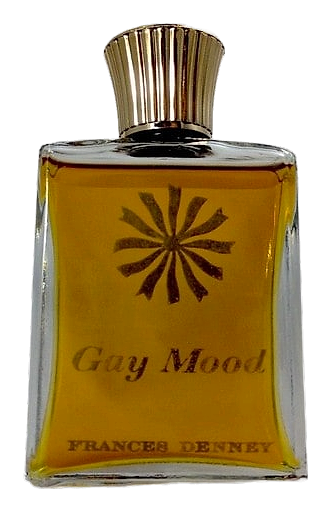
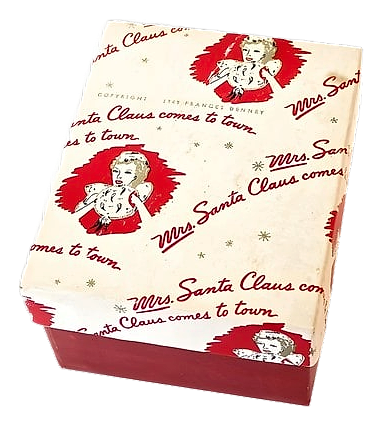
Released in 1949 by Frances Denney. Mrs. Santa Claus Comes To Town arrived carrying the particular warmth of a house that had learned to compose with care, a quiet confidence built through earlier releases and refined with each new bottle that left the workroom. This particular composition reads like a quiet seasonal postcard. The name leans into mid-century America's appetite for sentimental holiday figures and the kind of warmth that belonged on greeting cards, in magazine fiction, on radio programs. Not the bombshell fantasy of a Parisian Christmas. Something homier. Something with flour on the apron. The fragrance feels composed rather than constructed, each element placed with the kind of restraint that suggests the perfumer trusted the wearer to complete the picture.
Frances Denney occupied a particular corner of mid-century American fragrance, a house known for compositions that preferred charm to spectacle. Mrs. Santa Claus Comes To Town extended that sensibility into the holiday register. Spiced, sweet, gentle. A scent meant to suggest warmth rather than demand it. The kind of fragrance a woman might wear hosting family, baking in a warm kitchen, greeting guests with something warm in her hand. The sweetness here feels earned rather than applied, the kind that settles into skin rather than sitting on top of it.
The evolution
The opening moves quickly into its festive register, a burst of warmth that announces itself without shouting. That first ten minutes is celebratory without being theatrical, the way a real kitchen smells on a December morning rather than the way one is supposed to smell. The sweetness lands early and lands soft, the sort of accord that pulls you in before you have cataloged what you are smelling. After about thirty minutes the sharper edges soften and something rounder takes over. A fuller sweetness, a warmth that reads almost edible, the kind of base that makes a room feel inhabited rather than decorated. The shift is subtle, nothing disappears, but the edges get gentler. This is the point where the fragrance stops being a holiday and becomes a person.
Cultural impact
This fragrance sits in a quiet corner of mid-century American perfumery, a seasonal piece from a house with a particular reputation for restraint and gentle warmth. Its appeal today is largely to those who collect and study vintage American fragrance, people who prize compositions that knew what they were doing and did not need to announce it. The composition reads as a postcard from a more sentimental era of American holidays, when sweetness did not need to apologize for itself, and a perfume named after a holiday figure could simply be charming on its own terms.