The Story
Why it exists.
The beginning
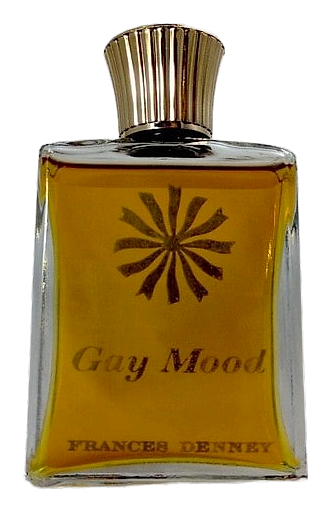
Frances Denney had been making fragrances for nearly two decades when Gay Mood appeared in 1956. By then the house had already shaped a distinct identity rooted in compositional confidence and a willingness to let mood do the heavy lifting. The brand's naming conventions leaned into feeling rather than fantasy. Wild Rose, Hope, Whirlwind. Emotions and weather, not mythology or seduction. Gay Mood fits that lineage perfectly. The name isn't a descriptor of someone else's effect on you. It's a state you're claiming for yourself, and the juice inside has to live up to that promise without spelling anything out. What you're holding is a study in how much brightness a mid-century composition can carry before it loses its nerve, and Gay Mood carries it without apology.
What makes Gay Mood interesting structurally is its commitment to brightness without sacrificing warmth. The green top notes give it that optimistic, daytime lift, but the floral heart anchors it so it never tips into something sharp or impersonal. There's a deliberate balance here between energy and softness, the kind a perfumer working in the postwar American tradition would have understood as essential rather than decorative. The composition moves like a conversation between two well-matched voices, neither one shouting over the other.
The evolution
The opening is brisk and unapologetic, a wave of clean green brightness that announces itself before you've even settled the bottle back on the vanity. The very first moments read almost herbal in their clarity, like crushed stems and fresh-cut greenery in a room with the windows thrown wide. Within the first twenty minutes the composition begins to shift, the green softening as the florals gradually take over the structure without ever fully erasing that initial leafy character. The scent becomes rounder, more obviously pretty, settling into a warmer register that feels lived-in rather than performed. The drydown is where the real intimacy settles in, a soft close that clings to skin and lingers without demanding space, a quiet musk-tinged warmth that feels like an afterthought the fragrance whispers just for the wearer.
Cultural impact
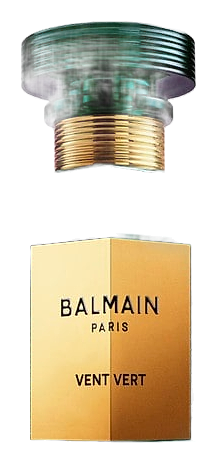
Gay Mood sits in an interesting category: a vintage American fragrance that was never a blockbuster but has the kind of dedicated following that collectors seek out. It belongs to that mid-century green-floral tradition alongside peers like Balmain's Vent Vert and compositions like Chanel's Cristalle, works that prioritized freshness and daytime wear over the heavier orientals that would come to dominate later decades.