The Story
Why it exists.
The beginning
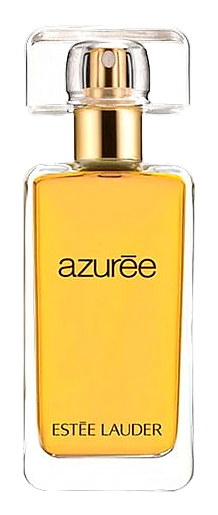
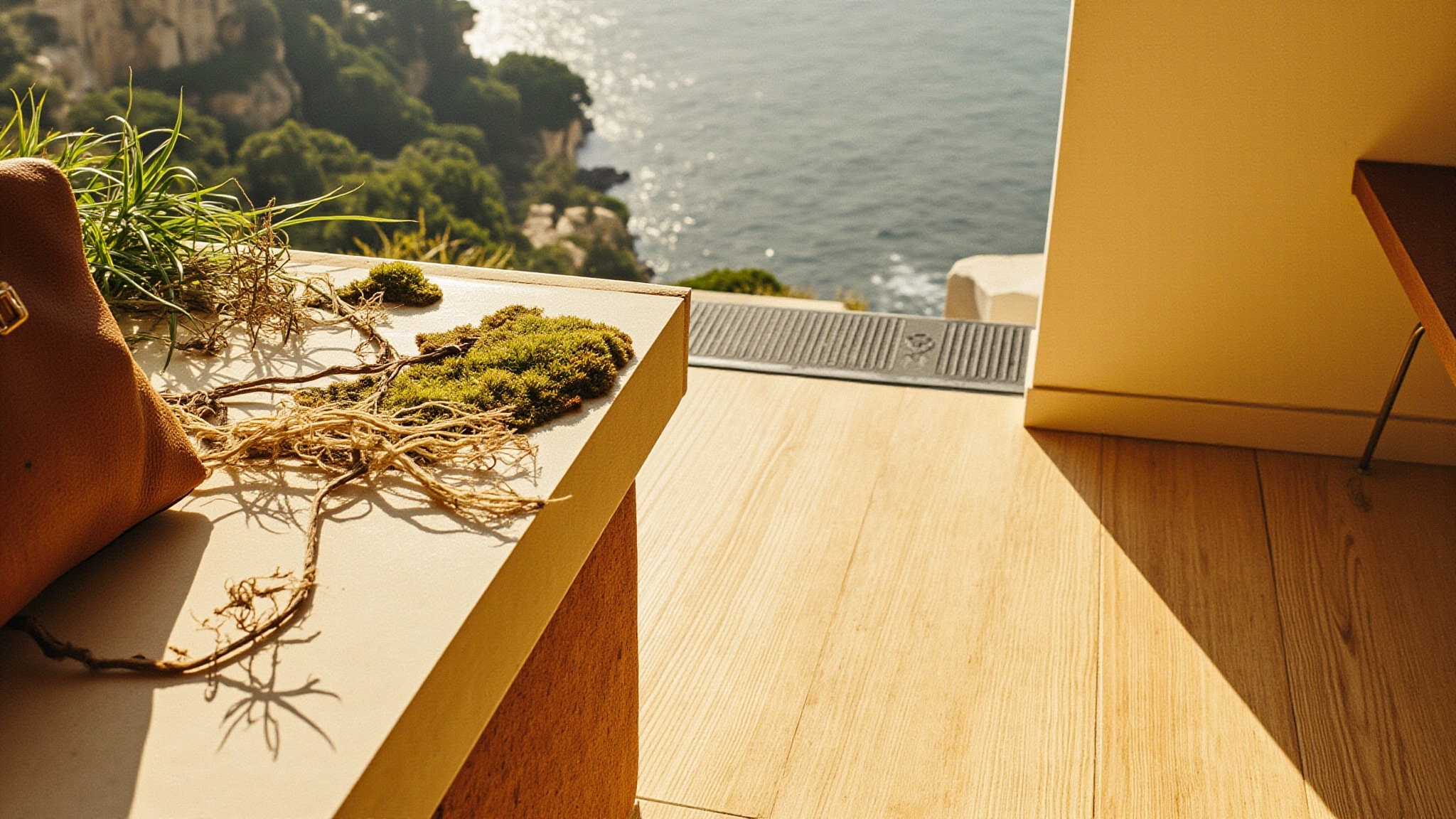
Bernard Chant built Azurée around a specific feeling: the warmth of the French Riviera as described by Estée Lauder herself. She called it the scent of 'a golden girl, languorously basking in the warm Mediterranean sun.' That quote wasn't marketing, it was the brief. Chant delivered a chypre that felt like late afternoon light on the coast of Cap d'Antibes, somewhere Estée Lauder actually vacationed. The fragrance launched in 1969, a moment when American perfumery was finding its own voice between French tradition and something newer. This was that voice, assured, warm, unapologetically optimistic.
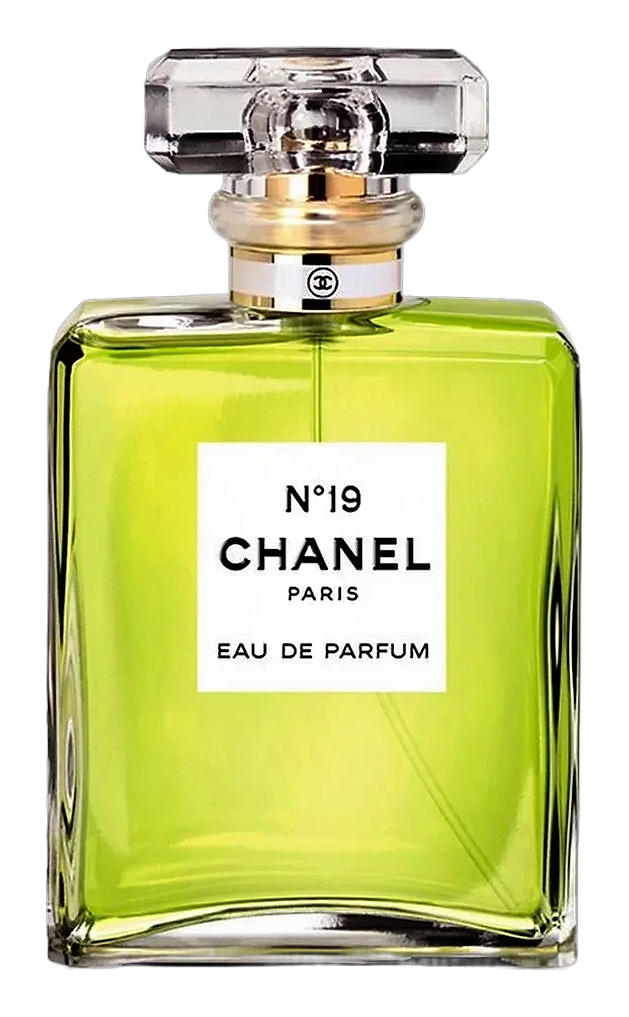
What makes Azurée distinctive is how it holds two registers at once. The aldehydic top brings a crisp, almost sparkling quality, reminiscent of Chanel-style elegance but drier. Beneath that, the basil and artemisia introduce an herbal bitterness that prevents the florals from becoming sweet. Gardenia and jasmine could easily tip into tropical territory, but the leather-moss base keeps everything grounded in earth. The result is a chypre that breathes rather than sits heavy, a fragrance for someone who wants warmth without weight.
The evolution
The opening arrives crisp and bright. Aldehydes lift the citrus so it reads less like fruit and more like light on water. Within minutes, the herbal layer emerges, basil and artemisia creating an unexpected coolness beneath the warmth. Then the florals arrive: gardenia first, creamy and full, followed by jasmine and a quiet rose. The heart is where Azurée earns its reputation. It doesn't rush. The florals don't dominate, they unfold alongside the vetiver and orris root, adding powdery depth without becoming heavy. The drydown is where the leather shows up. Not harsh, not animalic, just a warm, dry note that mingles with moss and patchouli for hours. On fabric, this one lasts well into the next day.
Cultural impact
Azurée carved a specific space in perfumery history, not quite French, not quite modern, something distinctly American in its optimism. It remains relevant because it doesn't try to be timeless. It simply is. The aldehydic structure appeals to those who appreciate vintage composition; the leather-moss base satisfies anyone looking for depth. It's a bridge fragrance, worn by people who understand chypres and loved by those discovering them.