The Story
Why it exists.
The beginning
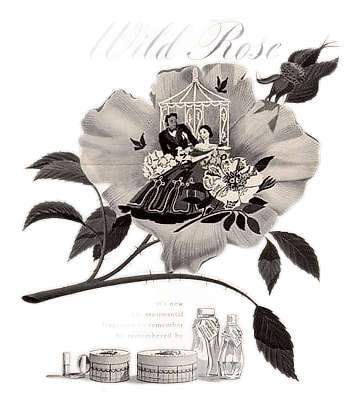
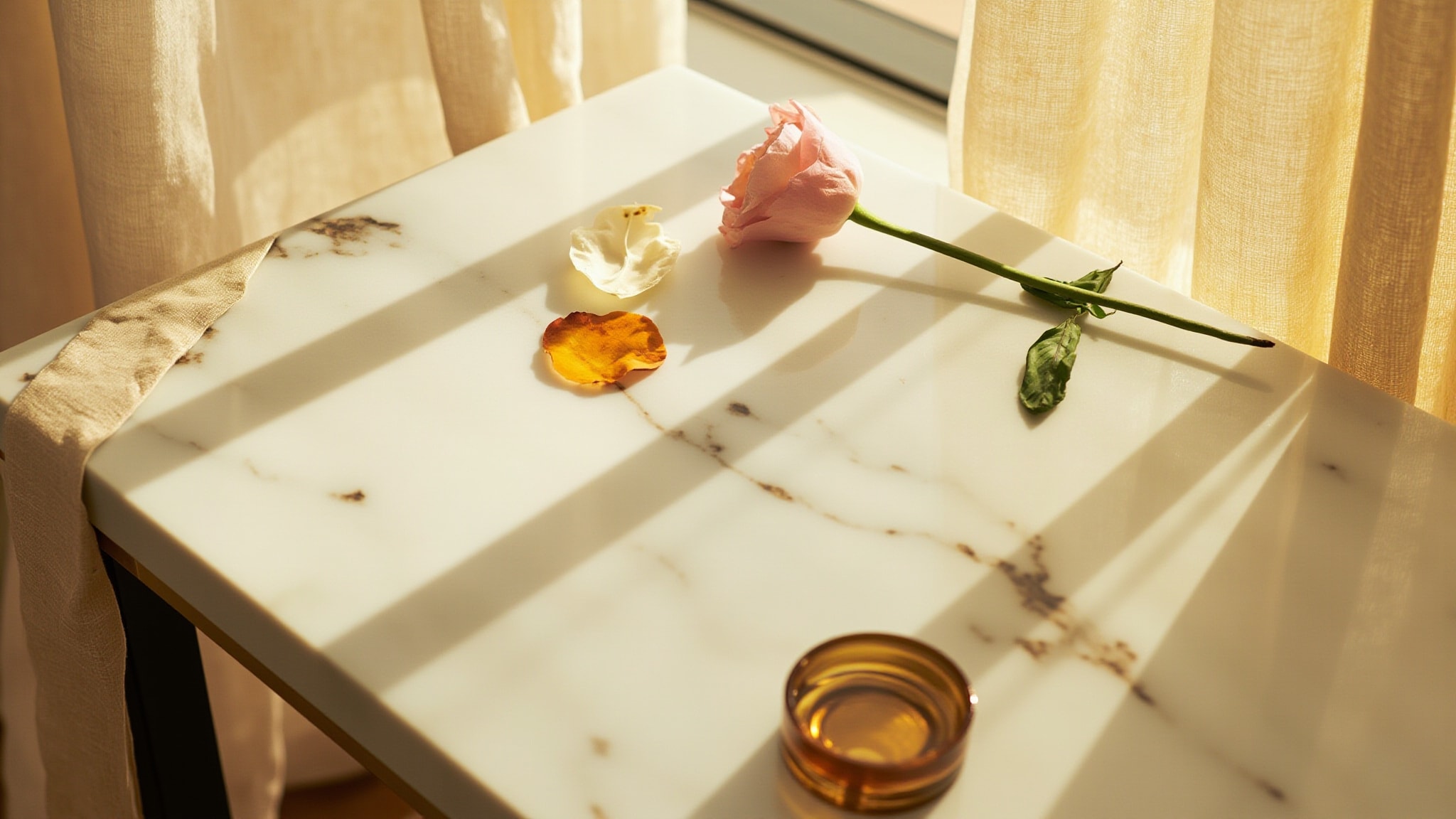
Wild Rose landed in 1940 from Frances Denney, a name already woven into American cosmetics for some time before this particular bloom appeared. Wild Rose was one of the brand's early forays into named fragrance, offering something direct and unembellished at a time when the category often reached for European abstraction and coded glamour. The fragrance opens with that promise intact: a rose composition that names exactly what it is and delivers on it without ornamentation. The top accord is a fresh, dewy rose, green around the edges, with a sweetness that arrives not from vanilla or caramel but from genuine honey notes threaded through the petals. There's a candied quality to the floral, almost like rose petal jam on a warm spoon, but it never tips into confectionery.
What sets this composition apart is its refusal to dress the rose in costume. Wild Rose leads with the bloom and stays close to it through the full wear, allowing the honey note to arrive within the first hour rather than waiting as a distant base accent. That honey acts as warm scaffolding under the petals, present from the opening and softening the greenness of the fresh rose without ever overpowering it. The structure feels intentional, a flower-forward arrangement where sweetness is woven in early rather than held back for the drydown.
The evolution
The first hour is the loudest part, and that's by design. Wild Rose announces with crushed-petal greenness and a honeyed sweetness that feels almost edible, the way rose petal jam smells on a warm spoon. Within the second hour the greenness recedes. What replaces it is a softer, warmer rose, less garden and more pressed-petal keepsake. By the third hour the composition has drawn considerably closer to the skin. The honey fades to a suggestion, the rose deepens into something more candied and old-fashioned, almost like rosewater that's been left to reduce. The fragrance draws inward as the hours pass, becoming quieter and more intimate with wear. On fabric the honey can linger past the fifth hour. On skin it settles into a quiet, dried-petal warmth that stays detectable into the next morning.
Cultural impact
Wild Rose sits within a particular lineage of American rose fragrances that valued recognizability and directness over abstraction. A straightforward rose-and-honey composition offered something different from the heavily ornamented florals that leaned on powder, violet, and aldehyde stacks to convey sophistication. Wild Rose's clarity, its willingness to name the flower and stay close to it, gives it a lasting appeal among those who encounter it. The fragrance is apparently discontinued, which has only deepened the curiosity around it.