The Story
Why it exists.
The beginning
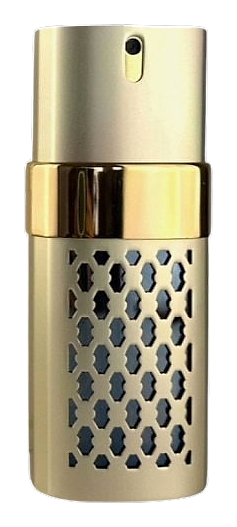
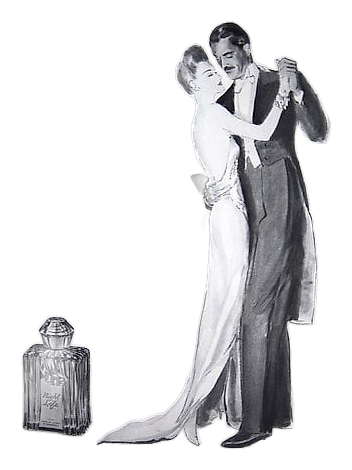
Night Life arrived in 1939, a new fragrance from the house of Frances Denney. By the late 1930s the mood of the country had shifted. Frances Denney read the room and named a perfume for it. Night Life. Not a garden, not a hope, not a romance. A city after dark, captured in a gold bottle. The name itself did most of the storytelling, a two-word promise of evening light, of rooms that hum after the sun goes down, of the particular hush that settles over a dinner party when the candles burn low and conversation turns to the kind of intimate that only late hours permit. What sat inside the bottle was intended to match that promise, a composition built for proximity rather than projection, for the wearer herself rather than the room at large.
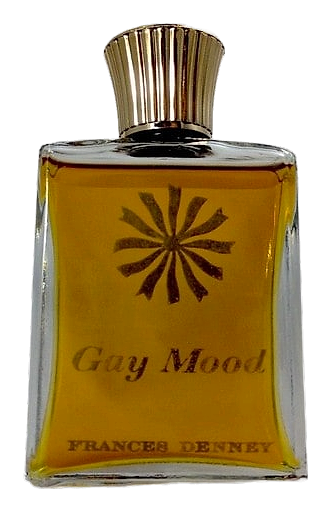
Frances Denney's house style was never loud, never avant-garde. Night Life simply gave that restraint a setting. The name conjured dancers, supper-club sophistication, the soft glow of a lobby at midnight, but the perfume itself never tried to dress up as spectacle. It was intimate where the moment was loud, considered where the night was fast, the kind of scent that reads as an accessory rather than a costume. There is a discipline to that, and to the woman it was composed for.
The evolution
On skin, Night Life opens with a bright, lifted quality, the kind of airy sparkle that catches you off guard before you've even registered you've sprayed it. There is a clean effervescence at first contact, the sort that reads as celebratory without tipping into sharp, something almost like the shimmer of light against glassware. The opening doesn't sit still. It moves quickly, animating the first few minutes on skin, but the movement is soft rather than aggressive. Within roughly twenty minutes the composition settles into a lush, rounded florality. The heart reads generous and creamy, with no green edges or bitter herbal intrusions to complicate the picture. It is plush where it should be plush, weightless where it should be weightless. The mid-phase sits like velvet against the skin, a tactile impression more than an obvious one.
Cultural impact
Night Life landed at a moment when American fragrance houses were reaching for a distinctly local kind of glamour, something that owed less to the grand florals of Paris and more to the clipped sophistication of a city evening. Frances Denney occupied the quieter end of that conversation. The advertising leaned into the fantasy of urban night, gold bottles, supper-club sophistication, while the juice itself stayed close, warm, and unintrusive.