
The Story
Why it exists.
The beginning
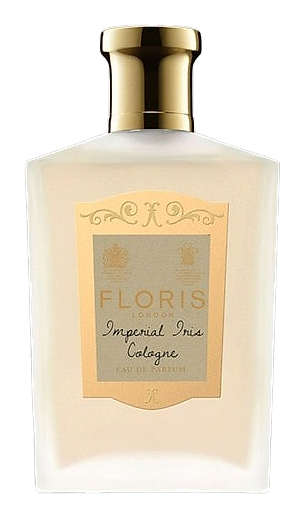
Imperial Iris Cologne arrived in 2017 from Nicola Pozzani, and the brief was a modern reading of the eau de cologne, one that kept the lightness but added genuine depth and longevity. The brand framed it as a conversation between two ladies of the Belle Époque: an imagined moment of romantic summer afternoons, fashion, identity, and the kind of effortless style that never looks like it tried. The setting is imperial. The mood is light-hearted. The goal was a cologne with presence, the kind you actually finish the bottle of. The composition leans on neroli, petitgrain, rose, and geranium in the heart, with iris, sandalwood, amber, and musk providing a dry, contemplative base that lingers without shouting.
What makes this composition worth paying attention to is the structural tension between freshness and weight. The opening reads like a traditional cologne: bergamot, blackcurrant, lavender, a hit of marine. But the base doesn't follow the script. Iris, oakmoss, sandalwood, amber, and musk pull the whole thing into something with real backbone, something that stays skin-close rather than vanishing into the air. The citrus-floral heart gets to be pretty without being naive, because the iris underneath refuses to let it be simple.
The evolution
The opening reads as a classic cologne. Bergamot cuts bright, the marine note drags in something cold and saline, lavender smooths the edges, and the blackcurrant gives the whole introduction a green, almost leafy snap. It feels like stepping out of a car into crisp morning air, the kind of clarity that wakes the skin. As things settle, the neroli and petitgrain take over, and rose threads through everything, warm and slightly soapy in a way that reads clean rather than old-fashioned. The geranium sits underneath, adding a faint bitterness that keeps the florals from going syrupy. This is the most conventional phase, the part that nods to tradition. Then the iris arrives, not all at once but with patience. It builds gradually, powdery and cool, backed by sandalwood that gives it a soft, almost suede-like warmth.
Cultural impact
Worth knowing: only 100 bottles were made. Production was apparently discontinued, which makes this less a fragrance you buy and more one you find. That scarcity shapes how it wears in the wild. People who own it tend to wear it deliberately, the way you'd pull out a specific cufflink rather than a daily watch. It's a niche object, a curiosity within a perfumer's catalogue rather than a centrepiece launch, and that position gives it a certain covetable weight. The composition itself sits comfortably within British perfumery's quieter traditions, an iris-led cologne that values restraint over volume.