The Story
Why it exists.
The beginning
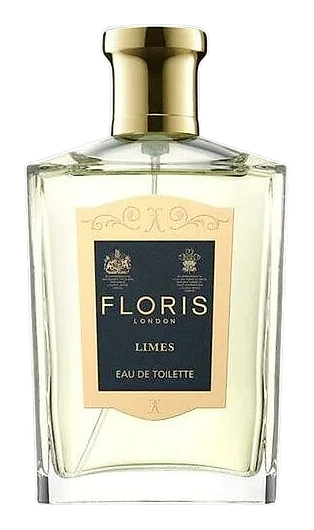
Limes was composed in 1832 by Juan Famenias Floris. The lemon and petitgrain open bright and assured, their citrus notes sparkling with an almost crystalline clarity that feels immediate and confident. The petitgrain adds a slightly woody, green undertone that keeps the citrus from feeling too sharp or fleeting. Then linden blossom arrives, its honeyed, almost pollen-like sweetness softened by the powdery quality of the blossom. Neroli layers in with its distinctive bitter-orange blossom character, adding depth and a subtle resinous quality. Lily of the valley whispers underneath, barely there, a delicate floral veil that softens everything without announcing itself. Musk anchors it all, providing warmth and a clean, skin-like base that holds the lighter notes together.
What makes Limes unusual is the restraint. Modern citrus fragrances often arrive loud and announce themselves; this one opens with intention. The Amalfi lemon is sharp but not shrill, the petitgrain adds a green, slightly bitter counterpoint that keeps everything honest. The heart, linden blossom, neroli, lily of the valley, is where most 19th century compositions earned their keep, and here they deliver something quietly beautiful. The musk base isn't dramatic; it's the quiet confidence of a house that doesn't need to shout. This is how a classic was meant to smell.
The evolution
The opening hits immediately, Amalfi lemon, bright and almost sharp, with petitgrain keeping it grounded. There's no hesitation here; this is confident from the first spray. The citrus opening is clean and effervescent, with the lemon lending a tart, pulpy quality while petitgrain adds the necessary green, slightly bitter counterpoint that prevents sweetness. As the top notes begin to settle, the florals begin to emerge. Linden blossom arrives first, something honeyed and slightly green, with that distinctive quality of the actual tree in bloom, the way its flowers seem to hold both sunshine and fresh leaves. Then the neroli adds a bitter-orange blossom quality, more complex than simple floral sweetness, with an almost smoky undertone that gives the heart depth.
Cultural impact
Limes sits in an unusual position, old enough to be a classic, quiet enough to be overlooked. It occupies a space that many modern fragrances fail to reach, not through intensity or novelty but through a kind of sustained, understated quality. Those who encounter it find something that feels both timeless and particular, a fragrance that doesn't announce itself but instead waits to be discovered. The scent has a quality of genuine presence, the feeling of something made with conviction rather than calculation.