Juan Famenias Floris
Juan Famenias Floris arrived in London from Minorca in 1730 with a barber's training and a longing for the scents of the Mediterranean. He opened a shop on Jermyn Street, initially focusing on combs and shaving equipment before introducing his own perfumes. The business he built with his wife Elizabeth became Floris, now the world's oldest independent family perfumer. His Spanish roots gave him access to aromatic traditions uncommon in Georgian England, and he blended them with local tastes to create something new for British clientele. Rather than chasing trends, he focused on quality ingredients and craftsmanship that communicated refinement. His early success established a template his descendants would follow for nearly three centuries.
The hits
Notable creations
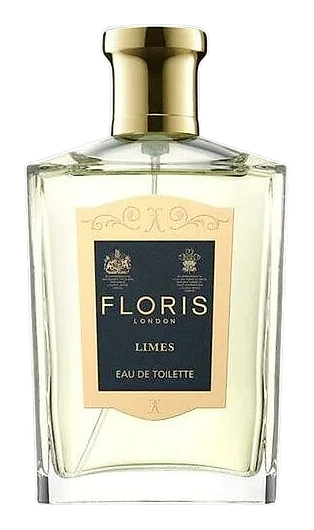

The signature
How Juan composes
Juan drew on classical perfumery materials with Mediterranean roots. He favored natural ingredients and traditional techniques, selecting each component for its character rather than its novelty. The emphasis on authentic materials and restrained elegance became hallmarks of the Floris house style, principles that continue to guide the brand today.
Philosophy
What drives Juan
Juan believed in restraint over excess. He built his reputation by prioritizing quality ingredients over novelty and creating fragrances that communicated sophistication rather than shouting for attention. His approach balanced Mediterranean richness with British understatement, a tension that defined the house and guided generations of successors.
The houses
Maisons Juan composes for
In the same league