Caterina Catalani
Caterina Catalani grew up surrounded by fragrance. Her family ran a perfumery in Vatican City for decades, and she absorbed the craft the way only a child of perfumers can—through skin, through memory, through the air of her parents' shop. She pursued formal training at the prestigious Grasse Institute of Perfumery, where she studied the French art of composition while maintaining her Italian sensibility. Today she operates between London and Italy, working as a perfumer and product manager at Finmark while serving as co-founder and nose for AVAU Parfum, the niche fragrance house she launched with her siblings. She has taught masterclasses for the Italian Perfumery Institute, passing on her knowledge to a new generation of formulators. Her career reflects a rare combination: academic rigor from one of the world's great perfumery schools, and an intimate, almost generational understanding of scent as a living tradition rather than a commercial product.
The hits
Notable creations
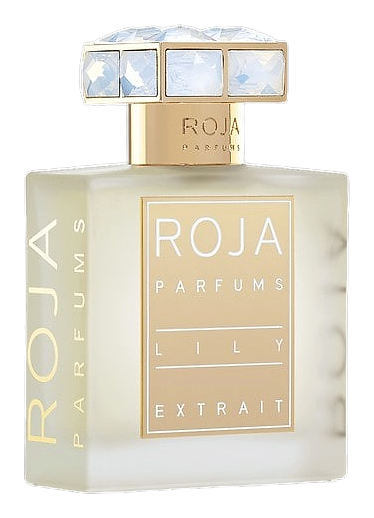
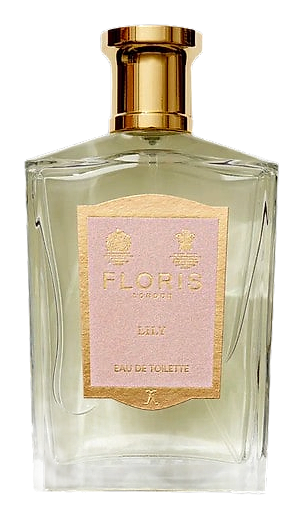
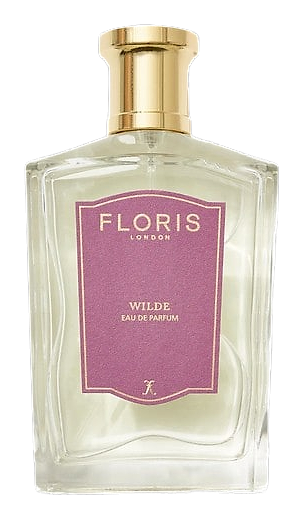

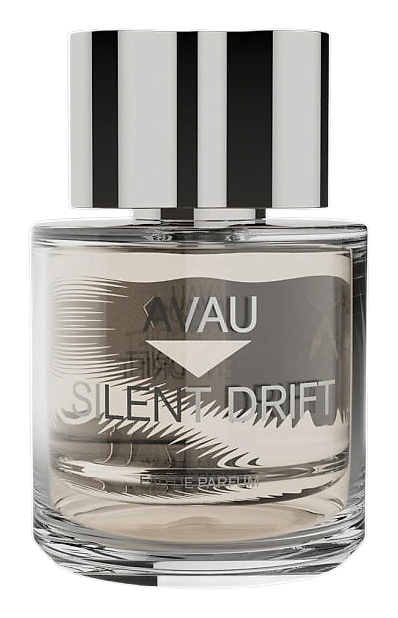
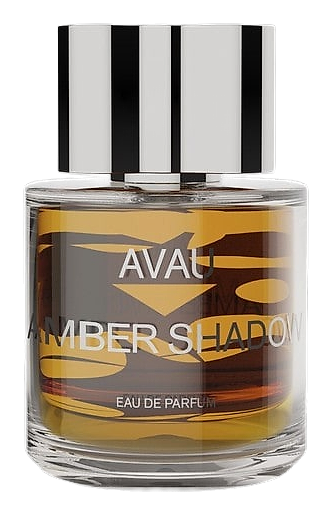

The signature
How Caterina composes
Catalani favors a modern Italian aesthetic: structured yet organic, clean in construction but rich in nuance. She works frequently with natural materials—particularly Italian botanicals and Mediterranean aromatics—while maintaining a contemporary restraint that keeps her compositions from feeling dated. Her formulations tend to emphasize clarity and progression, allowing each phase of a fragrance to speak clearly without overwhelming the next. She has a particular affinity for citrus, white florals, and skin-like musks, though her portfolio suggests versatility across genders and occasion. She is known among peers for her technical precision and her ability to balance traditional ingredients with modern synthetic materials.
Philosophy
What drives Caterina
Catalani approaches fragrance as a form of storytelling. She believes a perfume should carry memory and emotion before it carries a price point or a marketing concept. Her work is rooted in the conviction that Italian perfumery—with its historical ties to alchemy, craftsmanship, and sensory culture—deserves a louder voice in the niche market. She is drawn to compositions that feel personal rather than polished, that reveal themselves differently on each wearer. For Catalani, the goal is never to create a fragrance that smells like everyone else. She wants her work to start a conversation about identity, heritage, and the private nature of scent preference.
The houses
Maisons Caterina composes for
In the same league