
The Story
Why it exists.
The beginning
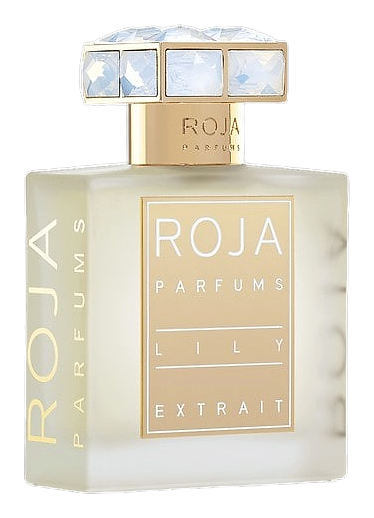
Lily of the Valley has a problem: its scent evaporates within minutes of picking. The flower holds its fragrance close, almost secretively, and that elusiveness is precisely what fascinated Roja Dove when he approached this commission for Roja Parfums. Rather than trying to capture the bloom in amber or recreate it artificially, the perfumer set out to preserve its natural state, dewy, brief, quietly confident. The release is less a reconstruction than a translation: taking the feeling of morning light on a white garden and rendering it in a bottle that won't disappear before you reach the street.
The choice of ylang-ylang as a bridge note is the composition's quietest clever move. The creamy floral carries warmth without the heavy sweetness that often dominates modern florals, it lets the lily of the valley breathe rather than compete. Grasse jasmine and may rose together form a warmth that builds slowly, the kind you only notice when you've been wearing it for an hour. This is a fragrance designed to reward patience, both in its evolution on skin and in the decision to wear it.
The evolution
The opening lasts roughly twenty minutes, clean, bright, almost mineral. Bergamot and lemon arrive together, giving the first phase a transparency that reads as refreshed rather than sharp. Then the handoff: lily of the valley moves forward, and the composition softens without fading. The floral heart doesn't bloom dramatically, it settles, becoming more intimate as the minutes pass. By the second hour, jasmine and may rose have layered into something warmer, though the overall impression stays light. The drydown arrives quietly: musk and woods together create a soft, woody warmth that doesn't compete with what came before. Sources indicate above-average longevity with an 8.5/10 rating, close enough that you catch it on yourself, far enough that strangers won't smell it from across the room. On fabric, it lingers longer, revealing the floral warmth as the citrus fades.
Cultural impact
Lily fits into a quiet corner of the market: fresh enough for spring and summer, warm enough for year-round evening wear. It occupies the same space as gentle florals by houses that prioritize craft over trend, compositions that don't announce themselves but reward the wearer who chooses them. The fragrance speaks to someone who finds the current landscape of loud, performative scents exhausting. Lily asks you to slow down, to notice what's there rather than what's loud. There's a confidence in its restraint, a self-assurance that doesn't need to shout to be felt.