
Heritage
A house, in its own words
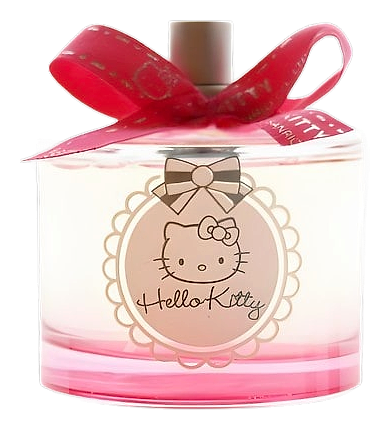
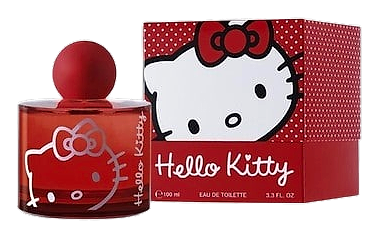
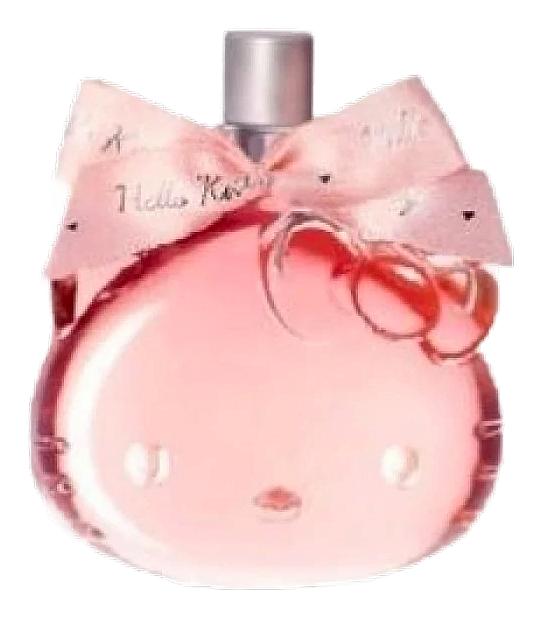
Koto Parfums emerged as a notable presence in the licensed fragrance sector during the late 2000s and early 2010s, a period when character-branded perfumes experienced significant growth in the mass market segment. The brand's association with Sanrio's Hello Kitty franchise became its defining characteristic, resulting in a substantial catalog of releases spanning several years. According to fragrance databases, the house released its first Hello Kitty fragrance in 2008, establishing a partnership that would generate multiple follow-up scents through 2015. This sustained collaboration with Sanrio suggests a deliberate strategic focus on youth markets and collectors drawn to character licensing. The name Koto Parfums indicates French linguistic roots, though the company's exact country of registration and operational headquarters remain unclear from publicly available sources. The house did not appear to maintain public-facing attribution of perfumers for its releases, a common practice in the licensed fragrance segment where the emphasis falls more heavily on branding than authorship. The era of peak Hello Kitty fragrance releases for the brand coincides with a broader period when Sanrio expanded its intellectual property licensing across multiple beauty and personal care categories. Koto Parfums appeared to operate on a philosophy centered around accessibility, playful design, and the emotional connection between consumers and beloved characters. Rather than positioning itself within the niche or artisan fragrance movements, the house targeted markets where fragrance functioned as an extension of personal expression and fandom. The strategy of releasing themed variations, each with distinct packaging and naming conventions, encouraged collecting behavior and repeat purchases among enthusiast consumers. The house's fragrance concepts, reflected in titles like Party in Shanghai, Beach Time in Hawaii, and various Hello Kitty iterations, suggest an approach prioritizing mood, fantasy, and escapism over complex olfactory narratives. This positioning aligned with broader industry trends during the 2008-2015 period when licensed fragrances represented a significant segment of the mass-market fragrance industry, particularly in Europe and Asia where character branding held strong consumer appeal.