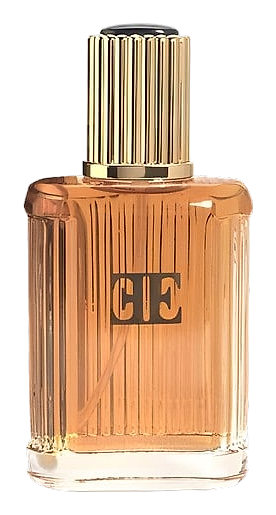

The Story
Why it exists.
The beginning
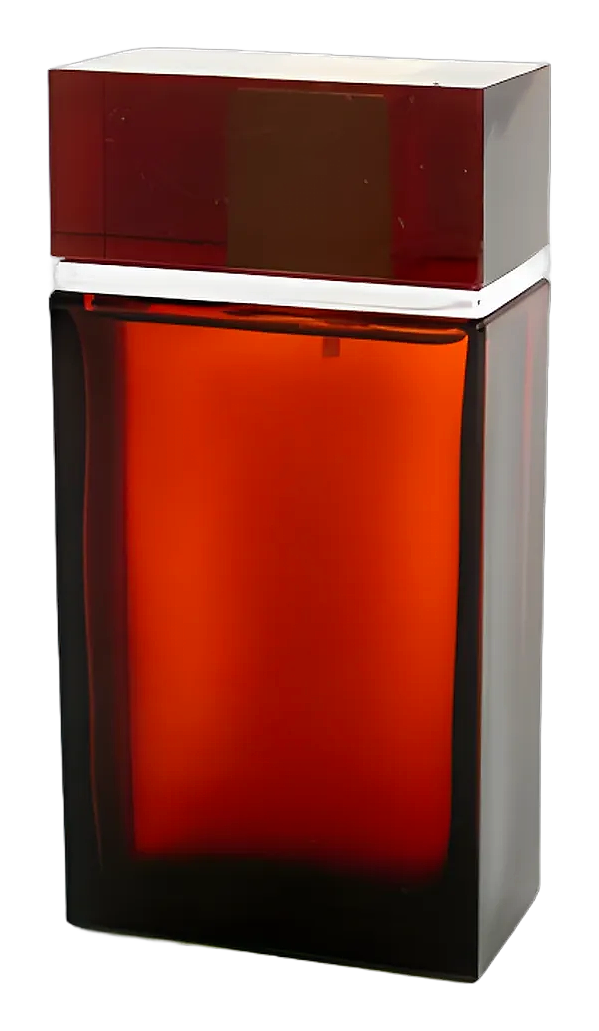
Escada pour Homme landed in 1993, the brand's entry into the men's fragrance aisle. The brief was clear: bright, structured, warm enough to wear through a European winter night. The result pulled from both ends of perfumery's vocabulary, opening with a cognac-and-citrus burst before pivoting into spiced florals and resinous base notes. The opening layers cognac heat with bergamot, lemon, and orange, a combination that feels like stepping out of cold air into a room where someone is pouring something brown and slightly sweet. There's brightness, but it isn't thin. The cognac carries weight, and the citrus sharpens rather than lifts. Lavender and orange flower settle in almost immediately, softening the edges and pushing the whole thing toward something more aromatic, more textured.
What makes this composition worth examining is the balance of two opposing forces in one bottle. The top reads bright and boozy at once, cognac warmth stacked against bergamot, Italian lemon, and orange. The heart goes deep into spiced territory with cinnamon, carnation, cardamom, and nutmeg. Then the base chooses comfort: vanilla, tonka, sandalwood, and musk pull the whole thing into something dessert-adjacent and skin-warm. The tension between the fresh-spicy opening and the gourmand-sweet base is what gives it staying power in memory. It doesn't sit still.
The evolution
The first thirty minutes are loud and clear, cognac's warmth cutting through bergamot and lemon like a drink poured at the wrong hour. The orange and lavender soften the edges just enough. By the second hour the citrus has stepped back and the middle has fully arrived: cinnamon takes the lead, supported by carnation's clove-like sweetness and a dry dusting of cardamom and nutmeg. Juniper adds a coniferous sharpness that keeps the spice from going soft. This is where most people will smell you. After four to five hours the spice starts to recede and the base takes over. Vanilla and tonka bean settle into something close to skin but warmer, with sandalwood underneath holding the shape. Patchouli adds a faint earthiness that keeps it from smelling like a straight gourmand.
Cultural impact
For collectors of 1990s masculine perfumery, Escada pour Homme holds a specific kind of reverence. It arrived in 1993, and it chose the spiced path without apologizing. Wearers gravitate to it for nights out and cold-weather occasions, when warmth and projection matter more than subtlety. The cognac-vanilla pairing is what gets remembered. There's a reason this fragrance still surfaces in vintage fragrance conversations two decades after its release: the composition refuses to behave like a standard masculine release.