
The Story
Why it exists.
The beginning
Bronislava Schwarzman composed Silver Arrow in 1966, during a period of state-run perfumery in Riga. The house had become a Latvian operation producing fragrance for a wide domestic audience, and Silver Arrow emerged from a collaboration between the Soviet perfume industry and Aeroflot, the national airline. The project linked two state enterprises with overlapping ambitions, one making scent, the other moving people across vast distances, and the result was a fragrance that promised something polished enough for a pressurized cabin at cruising altitude.
What makes Silver Arrow structurally interesting is the aldehyde-floral handshake that opens the composition. Aldehydes give fabrics that frozen, sun-caught brightness, while ylang-ylang brings the tropical, almost overripe quality, and the tension between them defines the first half hour on skin. The aldehydes do not simply announce themselves and fade; they linger as a silvery hum beneath the floral accord, keeping the scent lifted rather than letting it sink into the warmer rose and jasmine base.
The evolution
The first 15 minutes are all flash. Aldehydes ignite into that soapy, sparkling, almost electric shimmer, ylang-ylang swelling underneath like yellow light through frosted glass. Lily-of-the-valley arrives within minutes, green and cold, cooling the ylang's sweetness. By the 45-minute point, the aldehydes have backed off enough that jasmine steps forward, carrying the rose and lilac with it. The heart is unmistakably white floral, but with a soapy, powdery undertone that keeps it from going soft. Somewhere around the 2-hour mark, the florals thin and the base starts to emerge: sandalwood warming up first, then vetiver's smoky green bitterness, and finally oakmoss settling in like damp bark after rain. The drydown stays close to skin for the remaining hours, a quiet mossy-amber whisper that lasts well into the next morning on fabric.
Cultural impact
Silver Arrow's Aeroflot connection gives it a layer of backstory that most fragrances simply do not carry, linking a single bottle to the romance of mid-century air travel and the state apparatus that made that travel possible. The scent itself, a 1960s aldehydic floral with white-flower heart and a mossy, vetiver-grounded drydown, reads as confident and structured, the kind of composition that holds its shape from the opening spritz through the final hours of wear.
The House
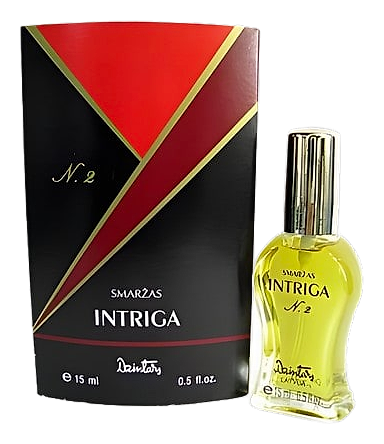
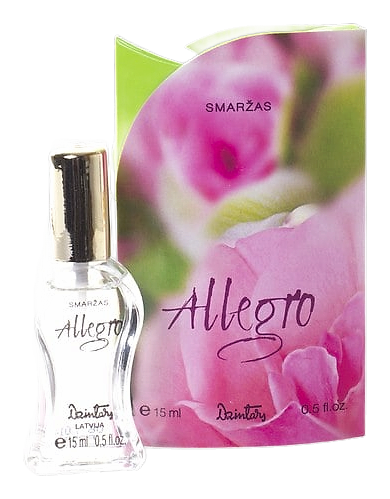
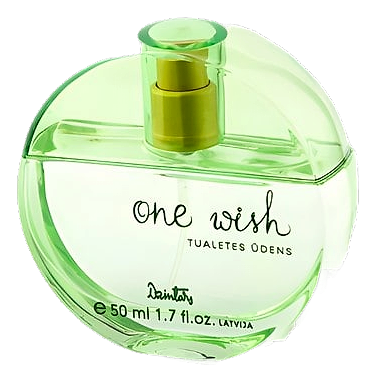
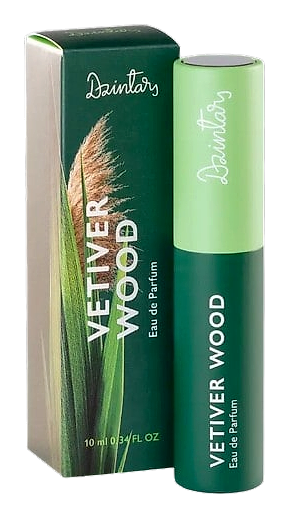
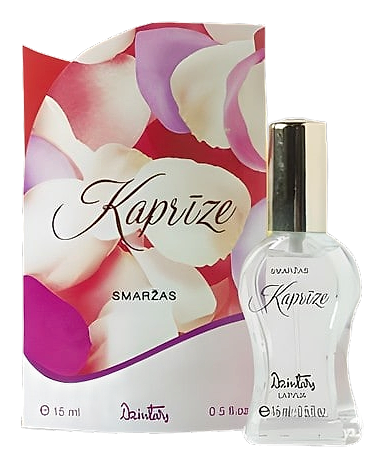
DzintarsDzintars is a Latvian perfume house that has been creating fragrances for nearly a century. Founded in Riga in the early 1920s, the brand survived the upheavals of World War II, Soviet nationalisation and the re‑establishment of Latvia’s independence. Its catalogue includes more than two hundred scents, ranging from classic fougère blends to aromatic compositions that echo the Baltic landscape. Dzintars remains a familiar name in Eastern Europe, where many of its vintage releases are still recognised by collectors.
The Creator
Bronislava SchwarzmanHer signature technique involves layering aldehydic brightness over structured florals, creating an effect that feels both vintage and surprisingly modern. Schwarzman favored ingredients with clear, assertive characters: pine needles, lilac, violet, and lily-of-the-valley appe…