
The Story
Why it exists.
The beginning
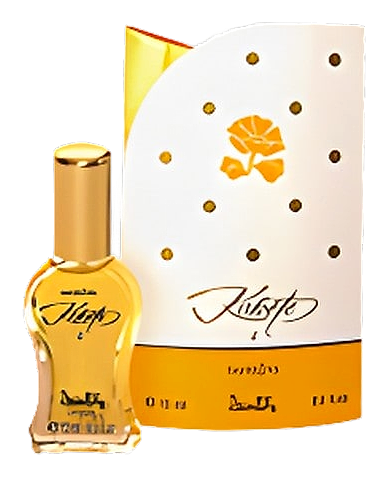
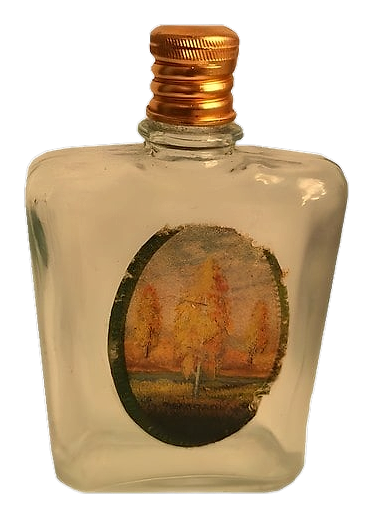
Rudenīgais mežs translates to Autumn Forest, and Dzintars produced this chypre fragrance with a directness that owes little to coy branding. The name is the composition: an aromatic reading of late-season landscape rendered through classical European perfumery structures. The opening of clary sage and lavender moves quickly into a floral heart anchored by violet, before the oakmoss and ambergris drydown takes over. The chypre framework is fully present here: bright herbal top, a soft floral core that never gets cloying, and a base that leans into the mossy, resinous territory that defines the genre.
What makes the composition worth attention is the use of clary sage in the top alongside lavender and orange blossom. Clary sage carries a dry, slightly haylike bitterness that reads cold on skin rather than warm, lending the opening a translucent austerity. The lavender here never tips into sweetness; it stays pressed and herbal, almost medicinal in its clarity, and the orange blossom above it lifts the whole accord with a faint white-flower glow that fades quickly.
The evolution
The opening carries the lavender-clary sage-orange blossom top, and it's the coldest the fragrance ever reads. Cool herbal, slightly mentholated, the kind of clean that comes from October wind through a wool coat. Then the violet and floral notes lift in alongside tonka bean, introducing a powdery softness that wasn't there at the spray. The vetiver threads through the heart giving it green structure, pulling the composition away from anything purely sweet. As the hours pass, the base settles fully into view. Oakmoss dries on skin, benzoin warms low, and civet lingers close to the body with that particular unwashed, intimate musk that eventually lifts off warm skin like a quiet pulse. The drydown stays hushed, animalic and slightly powdery, with the oakmoss holding the chypre architecture in place long after the brighter top notes have burned off.
Cultural impact
Rudenīgais mežs is a chypre from the Latvian house Dzintars, built around a classic aromatic-floral structure that remains easily recognisable to anyone familiar with mid-century European perfumery. The fragrance uses clary sage, lavender, and orange blossom in the top, violet, tonka bean, and vetiver in the heart, and oakmoss, benzoin, ambergris, and civet in the base, a complete chypre pyramid presented in straightforward form.