
The Story
Why it exists.
The beginning
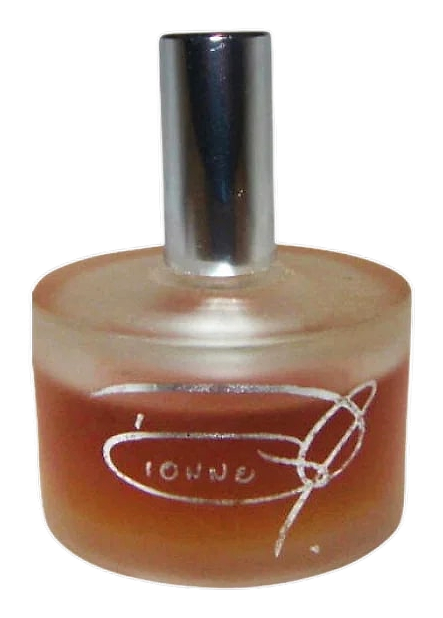
Dionne arrived in 1986, an Eau de Parfum named for the woman who wore it first, Dionne Warwick. The composition was built around a simple idea: take the warmth of an oriental floral and soften it just enough to feel like a living room, not a stage. Bergamot and lemon open the door, then rose, jasmine, and lily of the valley take over before the base notes close the curtain. It's a fragrance that understood, even then, that elegance doesn't need volume. The production was apparently discontinued, which gives every surviving bottle the feel of a held breath, something that belonged to a specific moment and didn't try to outrun it.
What makes the structure interesting is how the soft, powdery floral heart is anchored by cedar and sandalwood, not patchouli alone. That woody backbone gives the rose and jasmine room to breathe without going soapy. The base layers benzoin and tonka bean under vanilla and ambergris, a classic creamy-warm combination that smooths the edges of the green-fruity opening above. It's not a complicated structure, and that's the point. The composition reads as one continuous gesture rather than a sequence of competing ideas.
The evolution
On skin, the first ten minutes belong to the top: bergamot, lemon, a flash of green, and that rosewood edge that gives the citrus some weight. The fruit reads more like the soft texture of peel than the bright burst of juice. Within twenty minutes the florals take the wheel. Rose and jasmine arrive together, not competing, more like a conversation between two people who already know each other's rhythms. Lily of the valley adds a green sweetness that keeps things from going heavy too fast. Sandalwood and cedar settle underneath, quiet but present, giving the florals something solid to lean against. By the two-hour mark the heart has loosened and the base begins to surface. The vanilla here is dry and creamy rather than sugary, supported by benzoin's resinous warmth and tonka's almond-adjacent softness.
Cultural impact
Dionne belongs to a quieter category of orientals, the kind of composition that gets passed down in a vanity case rather than displayed in a collection, closer in spirit to private wearing rituals than public statements. It rewards those who find beauty in restraint, who treat scent as something intimate rather than declarative.