The Story
Why it exists.
The beginning
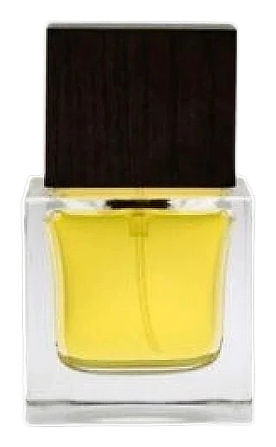
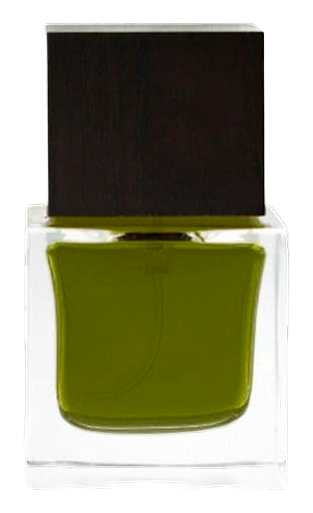
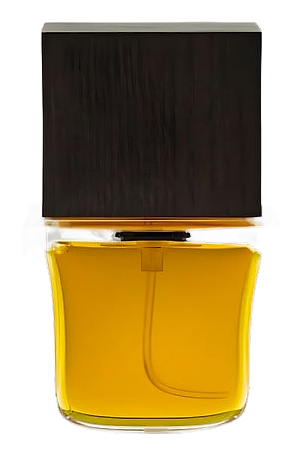
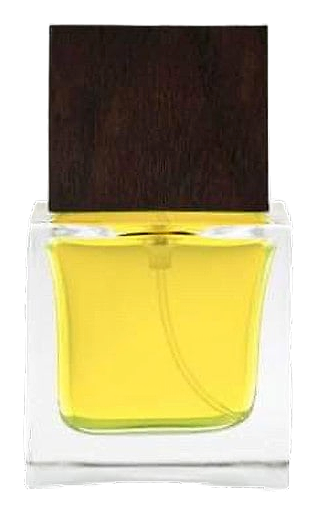
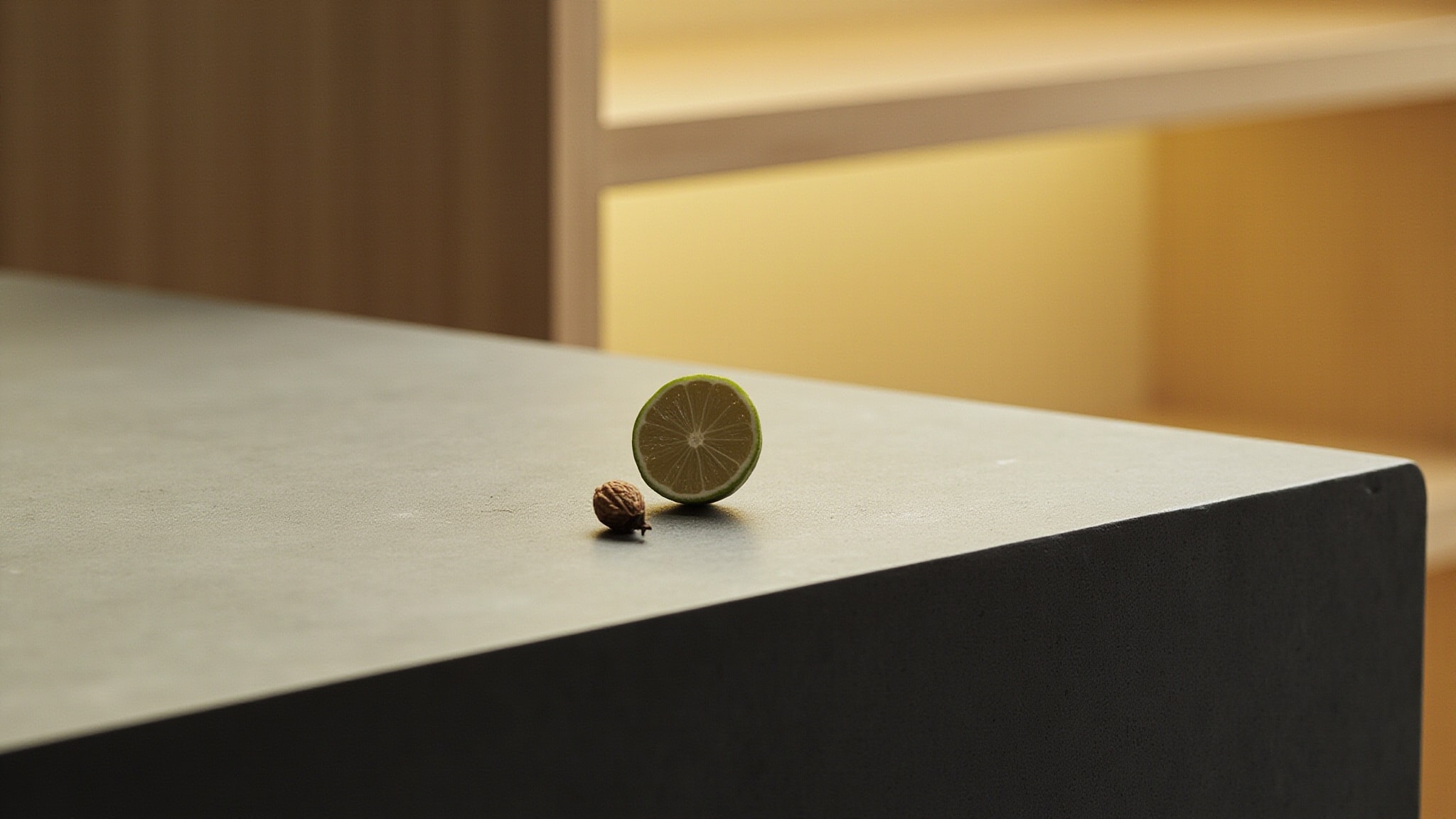
Izayoi takes its name from the sixteenth-day moon, the one that hovers between fullness and waning, visible only as a pale reflection cast across still water. In Japanese tradition, izayoi marks a threshold: the seen and the unseen, this world and what lies beneath it. The name suggests something half-lit, half-withheld, and the fragrance holds that same quality in its bones. Perfumer Shinohara Yasuyuki shaped the composition to honor that threshold, working with yuzu for its sharp, electric brightness against the deep, grounded gravity of agarwood and supporting spices. The yuzu lifts, the wood anchors, and between them the rest of the structure breathes.
What makes Izayoi distinctive is the tension between its top and base. Yuzu gives the opening a sharp, cooling brightness that could easily overwhelm a lighter composition, a citrus that cuts rather than charms. Here it meets agarwood, a material with its own weight and history, dense and resinous. Layered between them, star anise and Sichuan pepper create a thermal bridge: cool enough to keep the citrus alive, warm enough to let the wood breathe.
The evolution
The first thirty minutes belong to yuzu. Not the polite sweetness of lemon, but something greener, sharper, almost bitter in a way that makes the back of your throat tighten. Star anise and the two peppers arrive fast, adding a low hum of heat beneath the citrus, a shimmer of warmth that never tips into foody sweetness. Within the first hour, the composition pivots. The yuzu fades but doesn't vanish; it leaves a cold clean trace that lets neroli and Japanese rose move through the center without crowding, their petals opening in the space the citrus cleared. By hour two, the wood asserts itself. Agarwood and palisander rosewood take over, but they've been seasoned by everything that came before, so they smell less like oud-as-ingredient and more like wet bark cooling in evening air, damp and mineral and quietly alive.
Cultural impact
Izayoi offers something rarer than novelty. Where many citrus-led fragrances stop at brightness and many oud-led fragrances stop at gravity, this one insists on holding both at once, and that insistence reshapes how the two materials relate to each other. The yuzu keeps its snap without dissolving into generic freshness, and the agarwood keeps its depth without tipping into the heavy, resinous territory oud often occupies in mainstream releases. The composition reads as contemplative in the sense that it asks the wearer to slow down and pay attention rather than to perform.