The Story
Why it exists.
The beginning
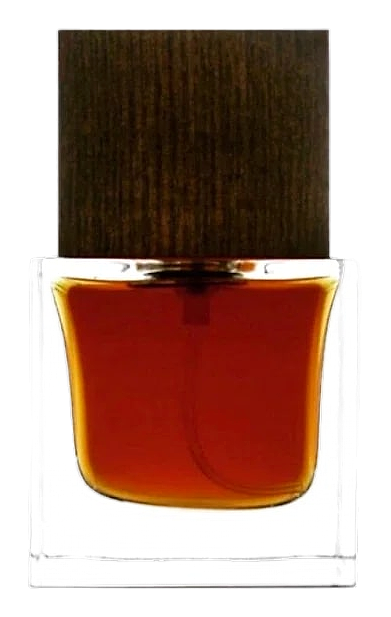
Hikaru Daichi arrived in 2022 from DI SER. The name itself, written as Hikaru Daichi in Japanese characters, carries a sense of ground and atmosphere, the meeting point between sky and soil. Perfumer Shinohara Yasuyuki composed it with Japanese natural materials taking center stage over imported spectacle. The focus here is hinoki cypress, Japanese oud, and the kind of green coniferous quiet you'd find walking temple grounds at dawn. On skin, the opening releases a bright burst of lime and green pine that reads almost electric, the sharp cool of cold morning air hitting the lungs. Beneath that initial brightness, the hinoki begins to surface, warm and resinous, softening the citrus without burying it.
Hinoki cypress carries a lemony-resinous character that gives the composition its warm center. Its oil has a clean, almost citrus-bright top note before settling into something drier and more wood-like, and no other wood replicates that particular arc cleanly. Pair it with Japanese oud and you get two very different species of sacred wood sharing one bottle. The frankincense adds resinous weight without tipping into incense-shop territory, lending a meditative stillness to the heart.
The evolution
The first twenty minutes are a bright shock of lime and green pine, almost bracing. It reads cool, sharp, a little electric, the way cold air feels when you step outside before sunrise. Then hinoki begins to rise, soft and warm underneath the citrus, carrying frankincense with it. The geranium settles into the background. The resinous heart takes over as the opening brightness recedes, and the Japanese oud begins to do what oud does, deepening and darkening, pulling the whole composition toward earth as the hours pass. The drydown is mossy and wood-rooted, close to the skin, with the hinoki still readable against the deepening oud base. The citrus eventually fades into memory, leaving the woods and resin to carry the composition through its later stages.
Cultural impact
Hikaru Daichi sits within a small tradition of Japanese niche fragrance that treats hinoki and oud as native materials rather than exotic imports. The composition reads contemplative rather than statement-making, choosing to sit close to the skin rather than announce itself at arm's length. There's a meditative quality to how the woods and resin interact, a stillness that feels rooted in Japanese aesthetic principles of ma, the meaningful use of negative space. The scent rewards slow wearing and quiet settings, where its subtle shifts can actually be noticed.