The Story
Why it exists.
The beginning
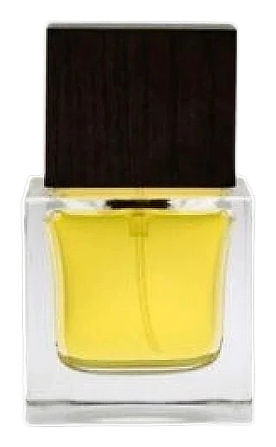
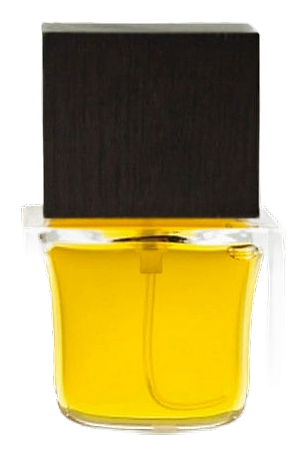
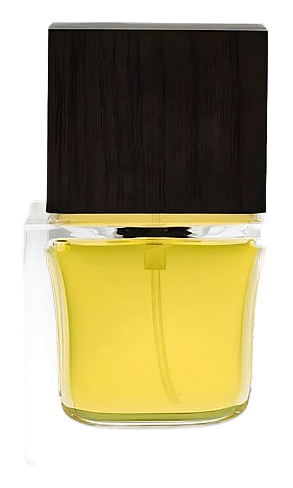
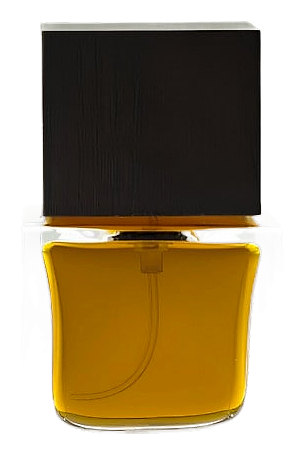
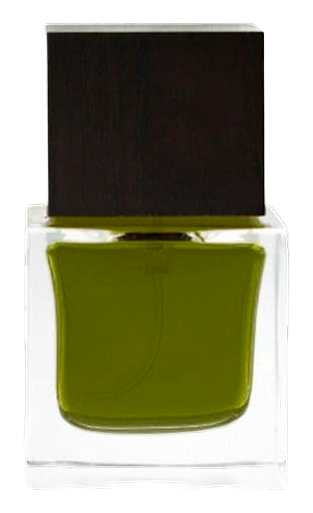
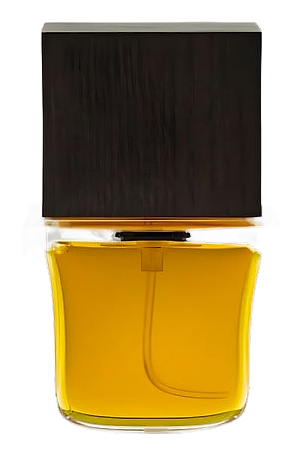
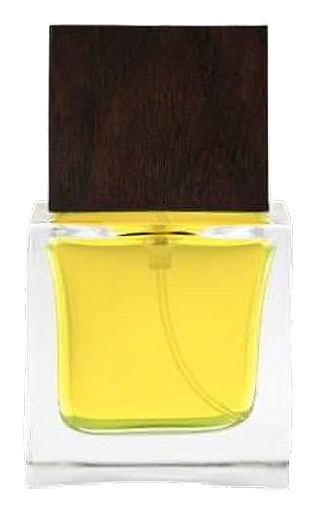
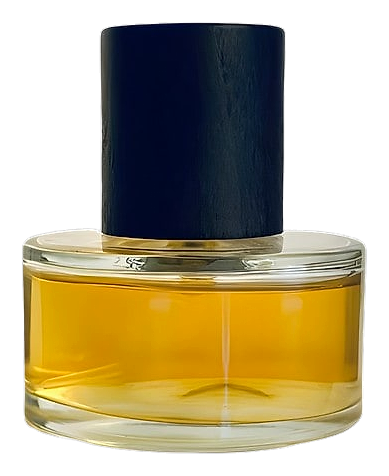
Kanami arrived in 2021 as part of DI SER's ongoing exploration of botanical perfumery. The name translates to "fragrance wave," a concept the composition takes seriously in its construction. Rather than building toward a single climactic moment, the fragrance reads as a continuous arrangement where the individual florals keep their own character throughout. The brief gathers jasmine, ylang-ylang, Japanese rose, boronia, Hokkaido lavender, and magnolia into a single bottle and lets their differences do the work. No synthetics. No shortcuts to make them agree. Just the raw characters of each flower, placed together so their friction becomes the composition itself. DI SER works in the all-natural register, and Kanami fits squarely within that approach.
What makes Kanami structurally unusual is the use of jasmine CO2 as an opening note rather than a heart element. CO2 extraction pulls a denser, more concentrated facet of jasmine than conventional methods, which means the top of the fragrance carries an unexpected weight before any florals formally enter. Boronia adds another layer of disruption: it's the strange material in the mix, the one that doesn't behave like a typical floral. It sits between grapefruit brightness and the cooler lavender in an arrangement that shouldn't work but does.
The evolution
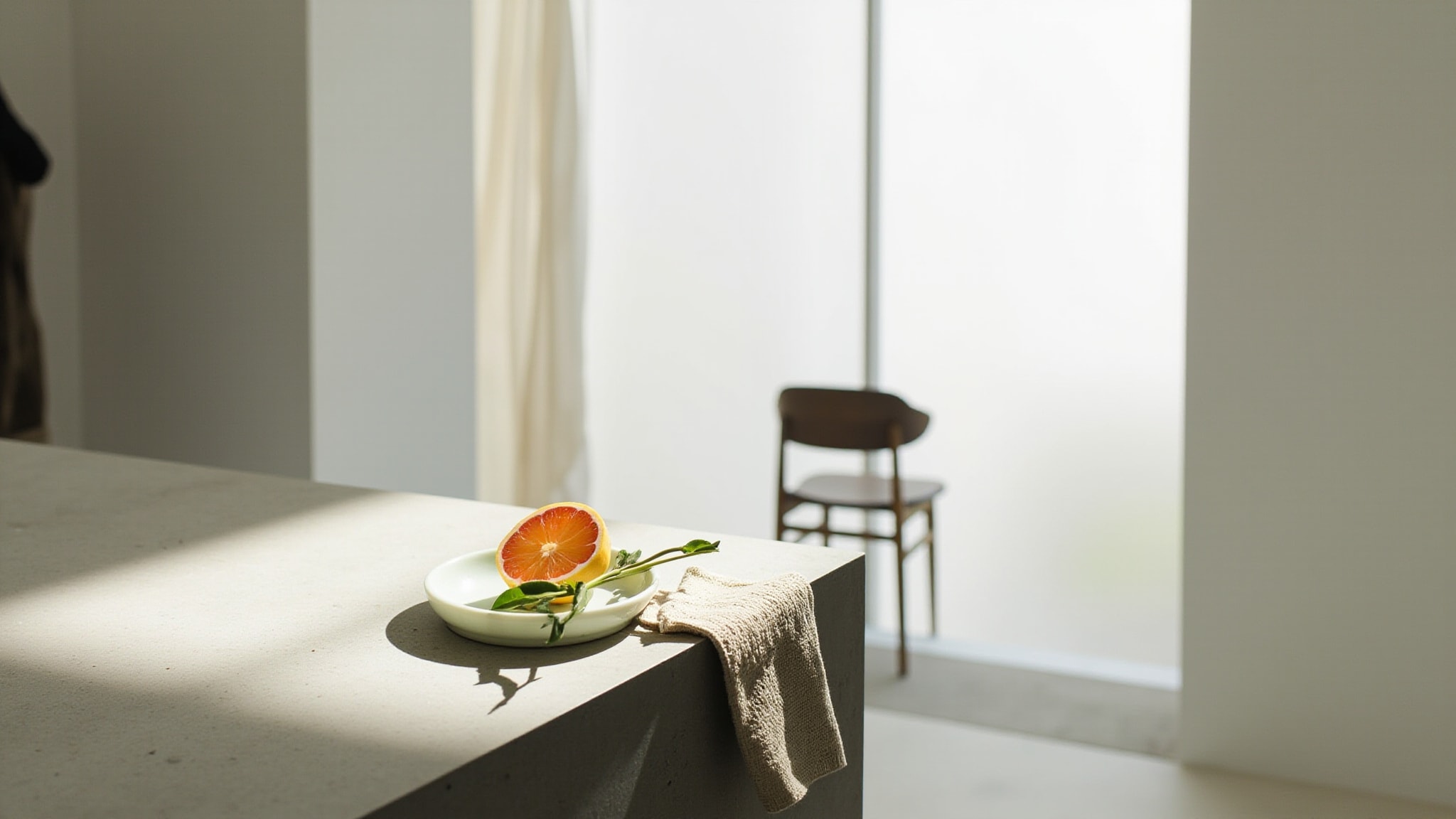
The opening minutes are dominated by grapefruit, sharp and almost bitter, with jasmine humming underneath like a green shadow. The transition begins fairly quickly, and grapefruit recedes as the floral arrangement enters fully. This is where the fragrance opens its chest. Boronia arrives with its strange character, magnolia adds creamy warmth, and lavender threads through everything with a cool, slightly metallic clarity. Ylang-ylang and Japanese rose round out the heart, offering density without heaviness. The florals hold their ground for a long stretch, neither fading fast nor collapsing into a single dominant note. By the third hour or so, the florals begin their slow handoff to the base. Rosewood and spikenard take over, both materials known for their quiet, rooted character, and frankincense provides a resinous hum that lingers. The drydown is where Kanami earns its reputation.
Cultural impact
Kanami sits in an interesting position among Japanese niche florals: floral-dominant but aromatically cool, citrusy in the opening but not in the Mediterranean tradition that most Western readers associate with that descriptor. It reads more like an herbal arrangement than a sweet one, and the lavender threading through the heart gives it a cooler, more botanical character than the warmer florals typically associated with Japanese niche perfumery. The grapefruit up top reinforces that coolness, adding a sharp, almost bitter edge that keeps the florals from settling into anything conventionally pretty.