The Story
Why it exists.
The beginning
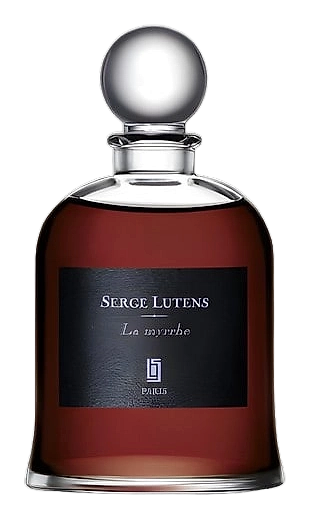
La Myrrha takes its name from the mythological princess whose tears became the resin that bears her. According to legend, transformed into a myrrh tree by Aphrodite, her grief flows as sap from cuts in the bark, soft, nightly, impossibly fragrant. Serge Lutens and Christopher Sheldrake built their 1995 composition around this paradox: a resin from one of the hottest, driest places on earth, yet cool and almost green in its opening. The name is not incidental. It is the fragrance itself, a single note given a full history to inhabit.
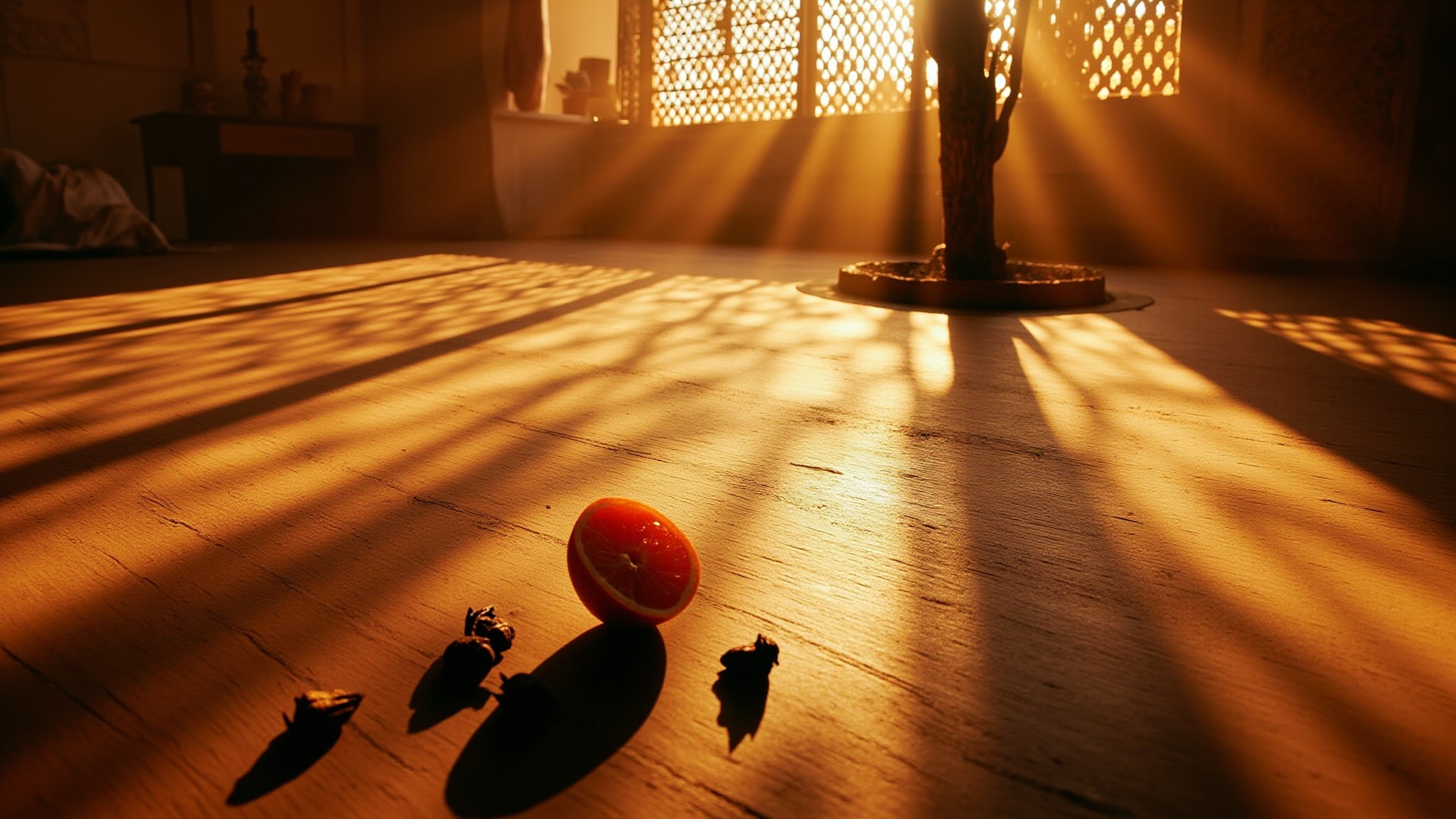
What makes La Myrrhe unusual in the Serge Lutens catalogue is the aldehydes. The house is known for abstract, often confrontational compositions, but here the aldehydes serve a different purpose: they chill the warmth. Mandarin orange and star anise provide a bright, almost medicinal spark that reads as cold against the honey and jasmine beneath. Myrrh, the namesake, doesn't arrive immediately, it waits. The structure inverts expectation: you smell the tree's resinous promise before the resin itself takes hold. This is not a linear fragrance. It is a conversation between temperature.
The evolution
The opening announces itself with aldehydes and mandarin orange, a cold, waxy brightness that some compare to Robitussin and others find fascinatingly medicinal. Within minutes, star anise and citrus recede. Honey takes over. Jasmine and lotus bloom underneath, their white floral sweetness softened by amber into something warm but restrained. The transition is not gentle, it is a temperature drop. The aldehydes fade and the myrrh arrives, thick and dark and resinous, anchoring everything that came before. Sandalwood and musk settle into the base, and the fragrance becomes something ancient: a dry, warm, sacred weight on skin. On fabric, it lasts. You will find this on a scarf the next morning. That lingering is not projection, it is memory. The fragrance refuses to leave.
Cultural impact
La Myrrhe occupies an unusual position in the Serge Lutens catalogue: it is one of the house's more accessible compositions, yet it retains the signature tension between cold and warm, abstract and familiar, that defines the brand. The aldehydic opening places it in dialogue with the great classic fragrances of the 1960s and 1970s, while the myrrh and honey drydown belongs to a distinctly Oriental tradition. What sets it apart from contemporaries of its 1995 launch is the refusal to commit to a single register, the fragrance moves between cool and warm, bright and dark, modern and ancient.