The Story
Why it exists.
The beginning
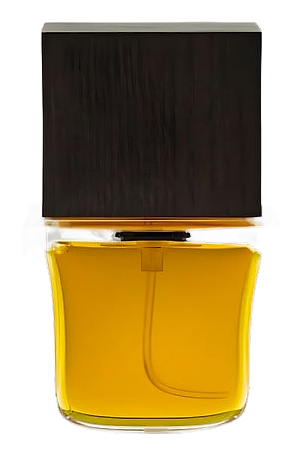
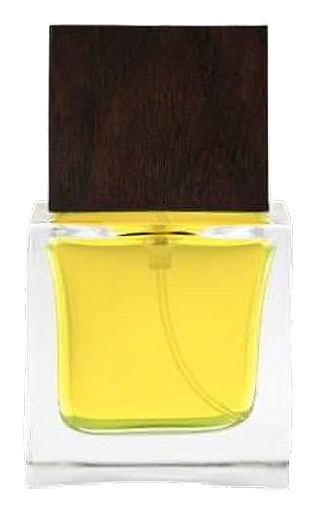
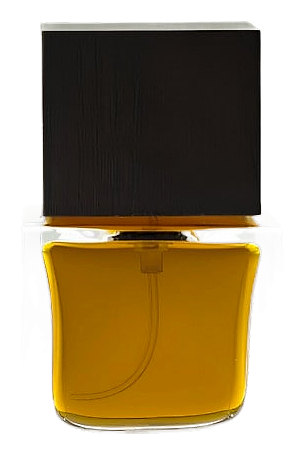
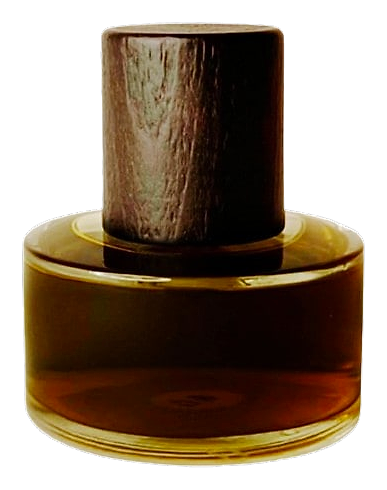
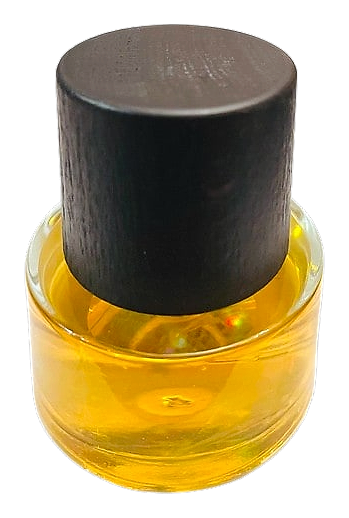
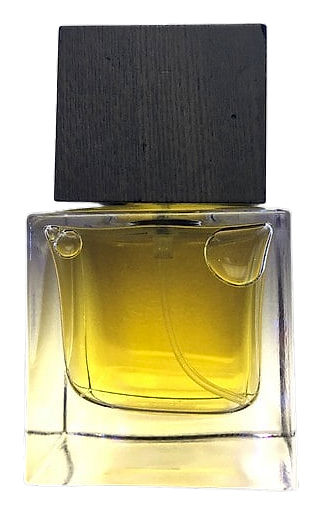
Manaka takes its name from a specific grade of agarwood, one of several kyara classifications used in Kōdō, the Japanese art of appreciating incense. That origin matters. It tells you what perfumer Yasuyuki Shinohara was reaching for when he composed this, not a Western oud bomb, but something closer to the meditative, restrained tradition of Japanese incense ceremony. The name is the brief. Released as part of DI SER's natural line, Manaka gathers jasmine, agarwood, frankincense, cedar, and sandalwood into a single contemplative arc. Five materials, plant-based alcohol, water. What Shinohara does with them is hold space, let each one speak without raising its voice. The jasmine isn't there to charm. The oud isn't there to impress. They're there to create a room that smells like patience.
Most oud-forward fragrances lead with the agarwood. Manaka leads with jasmine, which sounds counterintuitive until you smell it. The jasmine acts as a softener, a way in. Without it, the composition would read as pure temple wood. With it, you get something livable, something that moves between sacred and domestic. The frankincense ties everything to the incense tradition, and the cedar grounds the whole thing in a forest-floor warmth that makes the oud feel native rather than imported. Each material carries weight, and each one shows up at the right moment.
The evolution
Manaka opens with jasmine, and the jasmine is surprisingly present, almost green, the way it smells in a garden at the edge of evening before the heat pulls the sweetness out of it. Cedar and sandalwood arrive almost immediately underneath, giving the floral a wooden frame to lean against. This opening is the most accessible part of the fragrance, the one that wins people over on first encounter, the part where the composition feels lightest and most inviting. As the jasmine recedes, the oud comes forward. Not the kind of sharp, aggressive oud that some compositions lean into. This is the quieter, more refined expression, resinous and warm with a soft edge that reads more like aged wood than animalic material. It doesn't push. It settles in. The agarwood here feels like it belongs to the same world as the cedar and sandalwood rather than crashing the party from somewhere else entirely.
Cultural impact
Manaka sits in an unusual space, a Japanese oud composition that draws directly from the Kōdō tradition that gave the fragrance its name. The release treats agarwood as something to be contemplated rather than displayed, carrying forward the same reverence for the material that has defined Japanese incense ceremony for centuries. There's a quietness to the fragrance that reflects that lineage. Where many oud compositions aim to announce themselves, to project and to fill a room, Manaka keeps its voice low.