The Story
Why it exists.
The beginning
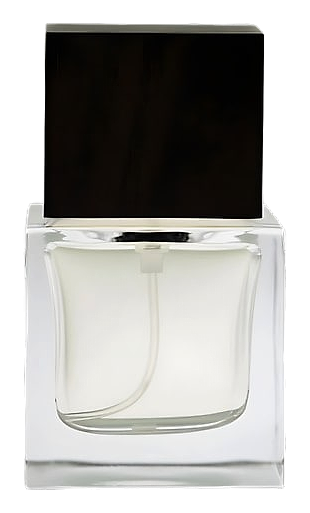
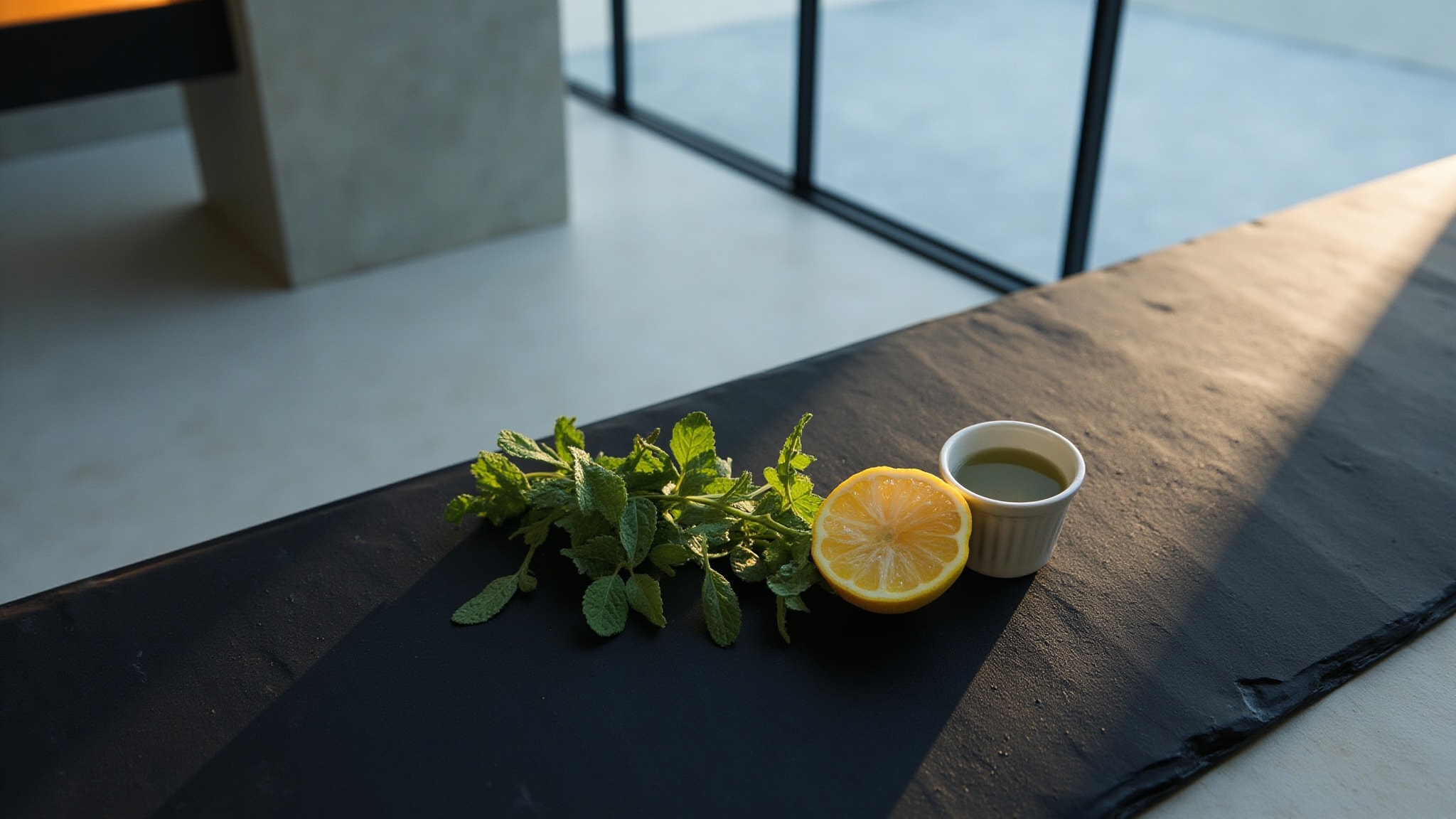
Tsuki means moon, and DI SER made no secret about wanting to bottle that particular kind of cold light. Launched in 2000, the fragrance came from perfumer Yasuyuki Shinohara, working within the brand's commitment to all-natural formulas. Tsuki reads as a landscape portrait rather than a mood piece, an attempt to capture that brief window in early autumn when Japan cools down fast and the sky goes sharp. The opening is almost aggressively bright, a mentholated flash of peppermint and lemon that hits the skin like cold air drawn through an open window. Within minutes, juniper arrives with its dry, pine-needle bite, tempering the citrus into something cooler and more reserved. The composition never announces itself twice; it leans into restraint and trusts the wearer to lean in.
What makes Tsuki work isn't the obvious move of citrus-over-patchouli. Here, the patchouli pulls double duty, acting as the dark ground against which the peppermint and juniper can actually look bright. The basil is the quiet structural note, the thing holding the composition upright while the louder elements flash around it. The interplay between the green and the earthy creates a kind of tension that keeps the whole thing breathing. Peppermint doesn't behave like a top note here; it persists, threading through every phase like a cold current running under warmer water.
The evolution
The first ten minutes are almost aggressive in their clarity. Peppermint and lemon hit the skin at full volume, a near-freezing brightness that feels more mentholated breeze than gentle citrus. Then something curious happens: the sharpness doesn't fade so much as it reorganizes. The basil arrives around the 30-minute mark and the composition shifts into a quieter herbal register, with juniper berries adding a dry, almost gin-like bite that cuts through what came before. The transition is smooth but deliberate, a measured handoff between brightness and depth. Nothing about it gets warm or sweet. The patchouli is patient. It waits until hour three or four to truly surface, and when it does, it does so as damp earth rather than something polished or lacquered. There's a raw, root-touched quality to its emergence, as if the scent is reaching down into soil that's still cool from night.
Cultural impact
Tsuki stands apart by ignoring the expected visual vocabulary of Japanese fragrance. No cherry blossom, no green tea, no overt cultural signposting. The composition is cold, herbal, and mineral in its leanings, refusing the sweetness that most citrus-aromatics default to. The brand's commitment to all-natural formulas means the performance behaves differently from synthetically-built compositions, which often shift character unpredictably as the hours pass. Tsuki stays mineral-cool through the end. It reads as a study in restraint, a fragrance that assumes you don't need to be shouted at to pay attention.