The Story
Why it exists.
The beginning
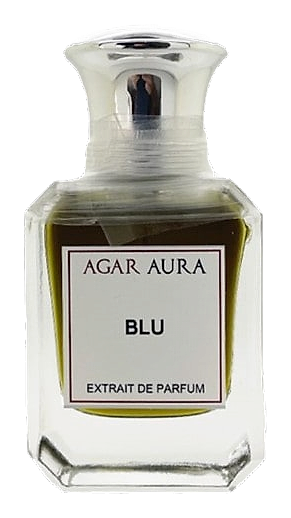
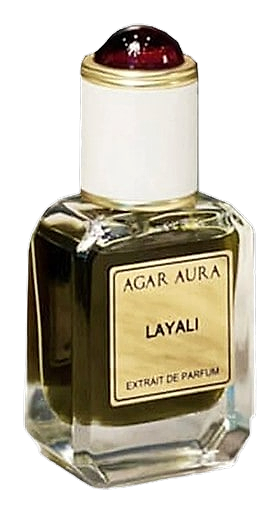
Layali landed in 2021 from Agar Aura, and the official copy calls it rose-oud. The reality is heavier, smokier. A soliflore in concept but a full gentleman's wardrobe in execution. The rose sits up top in name only because everything underneath it carries weight: oud that reads as wood and smoke and aged hide, tobacco leaf curling beneath the surface, davana threading a fermented sweetness through the whole composition like a slow pour of something brown and warming. No ingredient tries to be polite. No note hides behind another. The combination feels deliberate and unhurried, the kind of construction that treats restraint as a compositional choice rather than a limitation. You smell the layering only if you pay attention, and then you can't stop paying attention.
The technical move here is restraint disguised as excess. No musk, natural or synthetic, which makes the rose and oud carry every function themselves. Davana, one of the more difficult essential oils to keep composed, was worked in specifically to produce a plum brandy effect that the research describes as addictive. The white rose sits on top, sensual rather than bright, bolstering everything underneath it without announcing itself.
The evolution
The opening arrives like smoke from a room you haven't entered yet. The materials land without ceremony, dense and already blended, and you spend the first few minutes simply taking inventory. Almost boozy. The white rose softens it early, turning the edges sweet rather than sharp, which lets the oud underneath start speaking. The leather settles onto skin like something well-worn. Not new leather. Not squeaky. Old club chairs. The tobacco leaf arrives quietly, a curl rather than a punch, woven through the rose rather than sitting on top of it. The rose and the oud merge into one slow exhale of dark floral, each borrowing the other's weight and neither willing to step aside. Through the middle hours, the composition narrows. The rose retreats to a supporting role, and the deeper materials take over without losing their grip on the formula.
Cultural impact
Layali reads as a contemporary extrait built around rose, leather, tobacco, and davana, and its character is unmistakably dark and intimate. The composition draws on agarwood as its central material, and that choice alone places it inside a centuries-long conversation about how the wood is sourced, distilled, traded, and valued across regions where it carries meaning far beyond its price.
The House
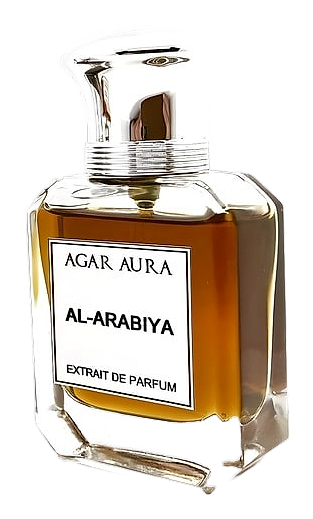
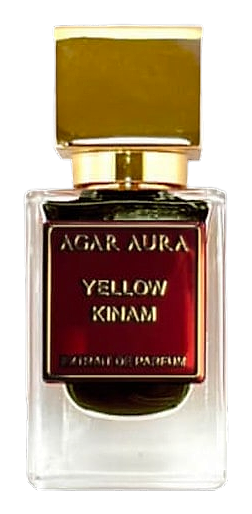
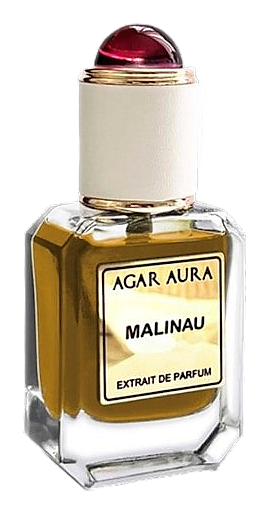
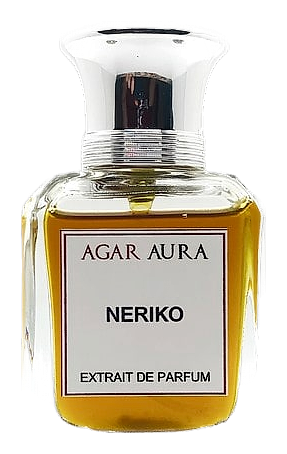
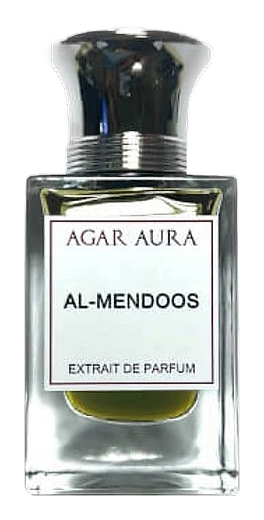
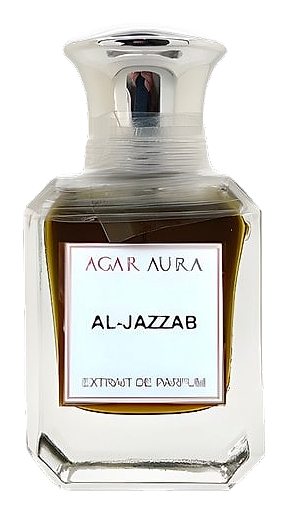
Agar AuraAgar Aura is a Malaysian fragrance house and artisan oud distiller founded by perfumer Taha Syed. The brand centers on oud as its primary creative medium, treating oud-centric perfumery as an art form rather than a commercial category. The collection spans thirty perfumes, with earliest documented releases dating to 2012. Fragrance names draw from oud industry traditions and specific geographic regions associated with agarwood production, including Burmese and Malaysian locations. The house operates across two disciplines: crafting pure oud oils through in-house distillation and composing finished perfumes and extraits. Notable releases include Al-Jazzab (2022), described as a rose-heavy extrait intended to push beyond established standards, Myitkyina 4K (2021), named for a Burmese city in Shan State, and the more recent Al-Mendoos (2024). The brand maintains a deliberately understated presence, prioritizing material quality and distillation craft over visual branding or marketing narratives.
The Creator
Taha SyedTaha operates as both distiller and perfumer, a rare combination that gives him unusual control over his materials. Oud and agarwood form the foundation of his aesthetic, yet he extends beyond them into broader compositions.