The Story
Why it exists.
The beginning
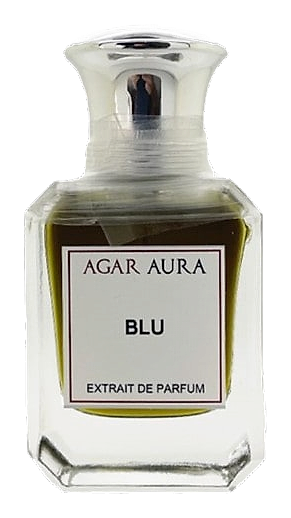
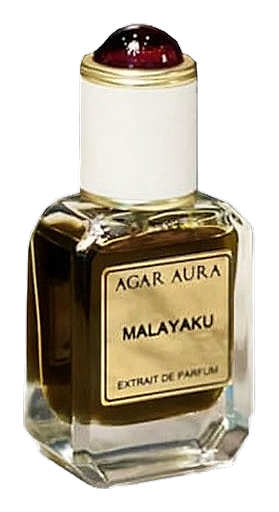
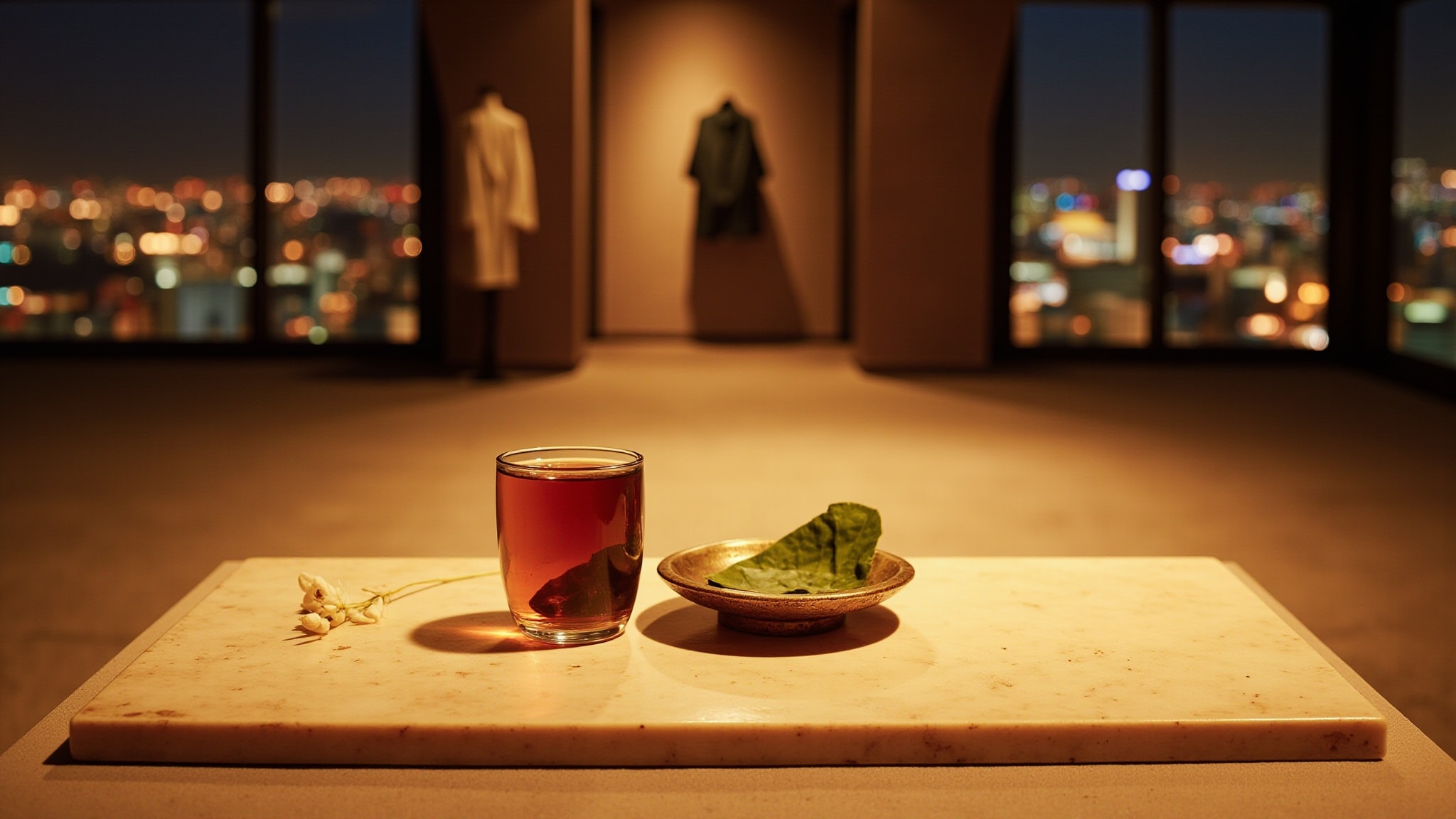
Malayaku means "My Malaysia," and the possessiveness is deliberate. Taha Syed launched it in 2021 as an homage to the country he'd called home for seven years, a follow-up to his earlier Java-inspired work but built from a vaster palette of tropical aromatics. Every material in the composition was sourced from Malaysia: wild Malaysian oud from Kedah State in the northwest, where Agar Aura operates its distillation factory; pandan leaf extract; black tea tinctured from Cameron Highlands in Pahang; betel leaf with its distinctive bite; lemongrass and white ginger lily pulled from local cultivation. All ingredients were gathered by Taha himself and blended with the finest Malay oud, according to a Parfumo review of the composition.
The most interesting piece of this composition is what Syed did with vetiver. Standard market-grade vetiver distillation, he notes, ranges from motor oil to burning VHS tape in character, so he created what he describes as the first-ever Malaysian vetiver distillation, an in-house brew designed to preserve the actual aroma of vetiver roots without the usual off-notes. Pair that with dry-distilled frankincense, an uncommon processing method that yields a cleaner, less tear-inducing resin, and the composition reads less like a typical oud-forward fragrance and more like a geographic document. The betel leaf is the other signature move.
The evolution
The first thirty minutes belong to betel leaf. It's sharp, almost astringent, layered over frankincense smoke and the opening brightness of champaca absolute. There's a green, vegetal quality that reads as tropical canopy, not cologne. Around the forty-minute mark, the oud begins to surface, but not the barnyard, fecal-edged variety. This is Malaysian oud: smoky, resinous, leaning closer to incense than to decay. Vetiver arrives soon after, that custom Malaysian distillation lending an earthy root quality without the petroleum edge of standard material. Black tea from Cameron Highlands adds a tannic, almost fermented undertone that keeps the composition from going too sweet. By the third hour, the heart has settled into something that smells like a humid forest floor after rain, wet wood and decaying leaves and something floral still humming underneath from the champaca and mimosa.
Cultural impact
Malayaku leans into its Malaysian ingredient list without hedging. The betel leaf and pandan place the composition firmly in a Malaysian context, cultural signifiers rather than decorative additions. The oud is wild Malaysian oud from Kedah, the tea comes from Cameron Highlands, and the supporting botanicals all trace to local cultivation, a deliberate specificity that gives the fragrance a clear sense of place. Reviewers have responded to that clarity, gravitating toward a composition where every note carries geographic weight rather than functioning as a generic tropical blend.