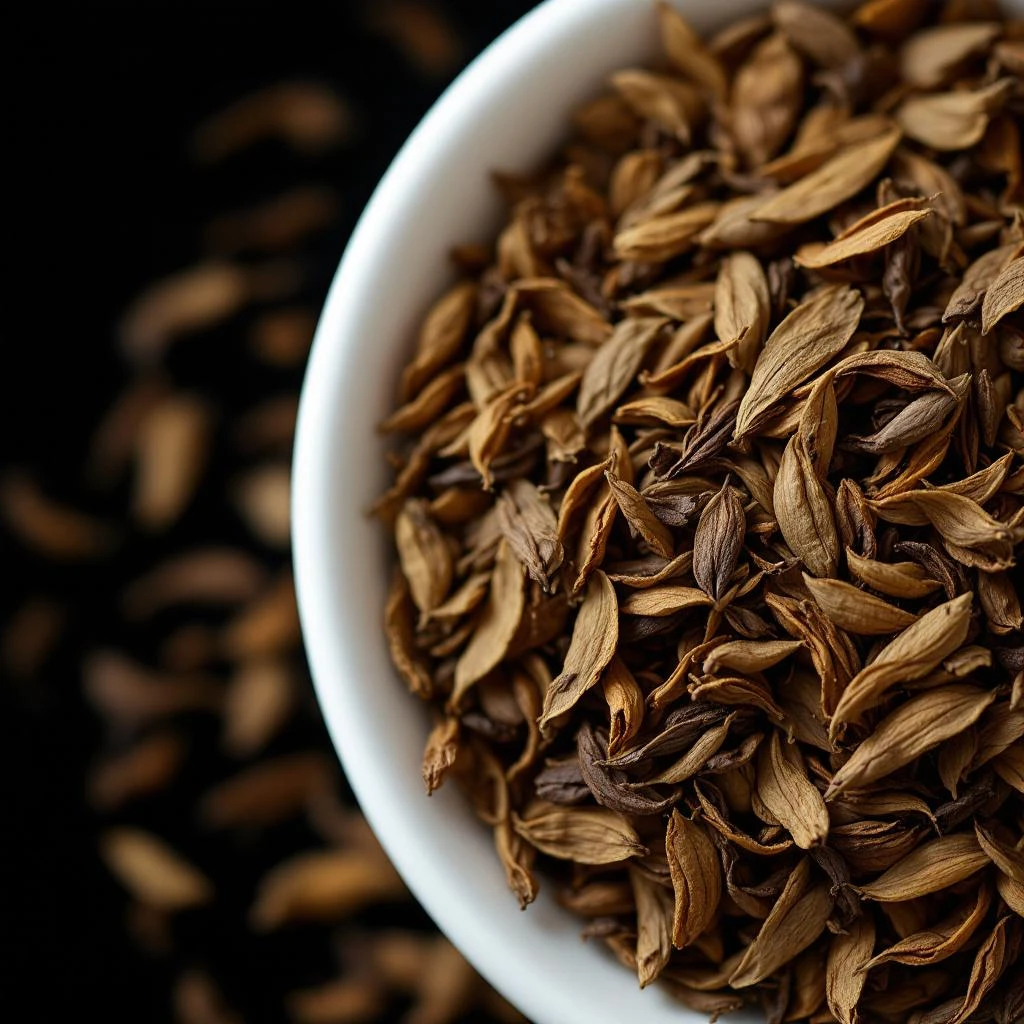
Betel Leaf
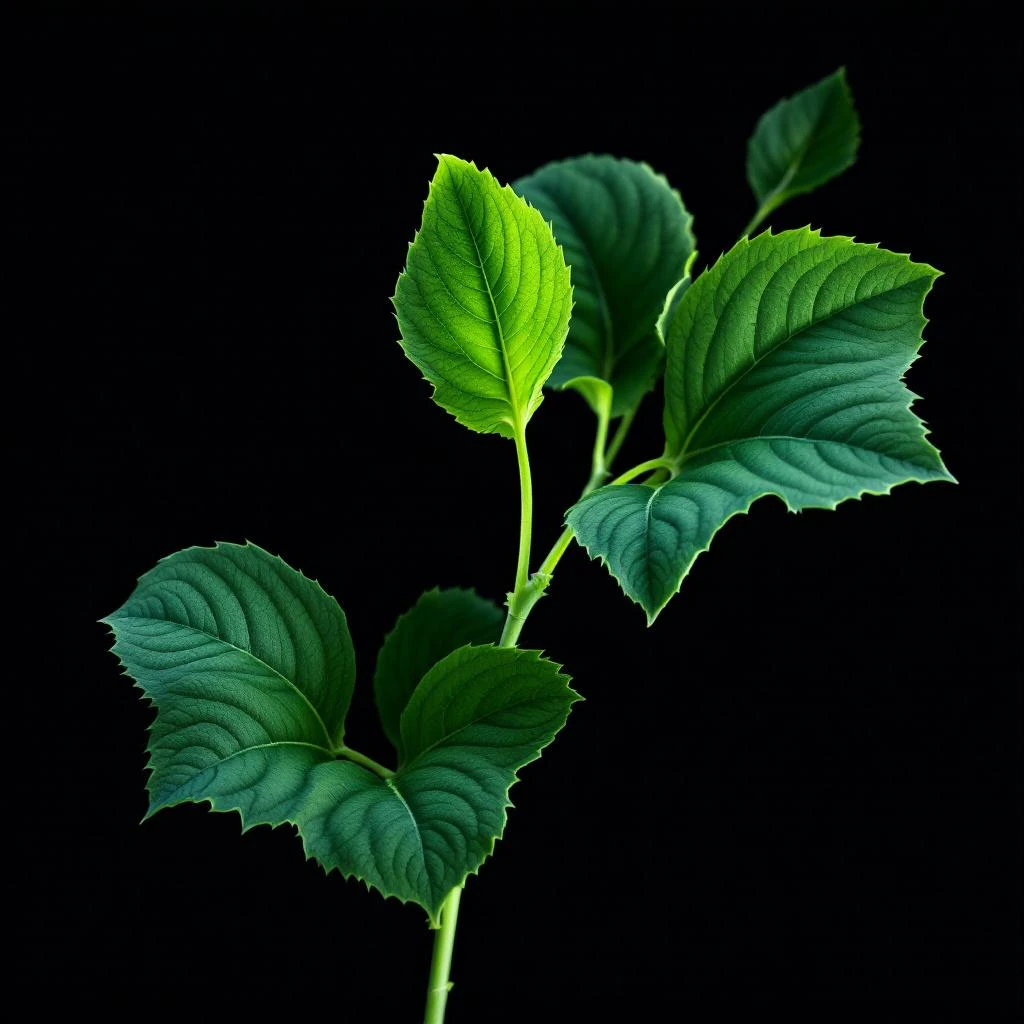
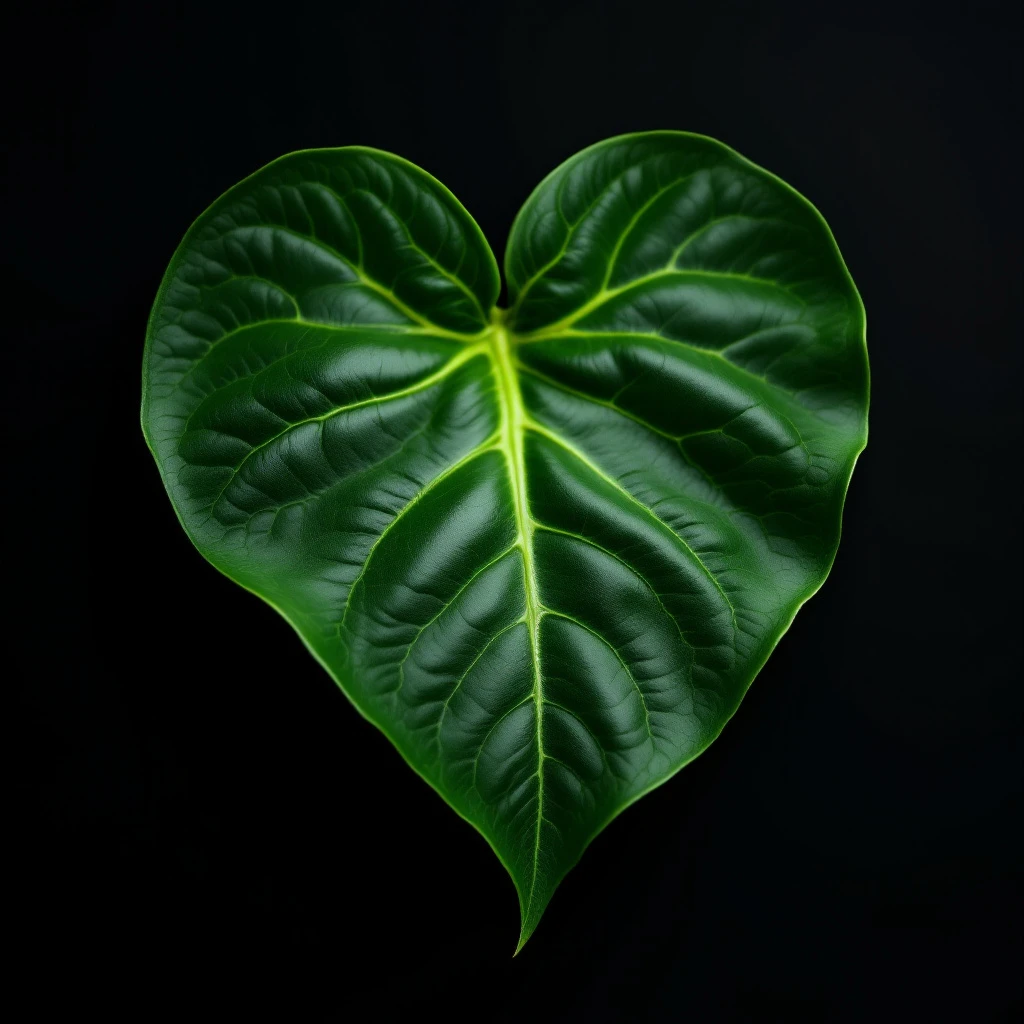
Betel leaf brings a sharp, spicy warmth to perfumery. Used for centuries across South and Southeast Asia, the oil from Piper betel carries notes of clove and pepper with a distinctive aromatic bite that adds complexity to fragrance compositions.
Character
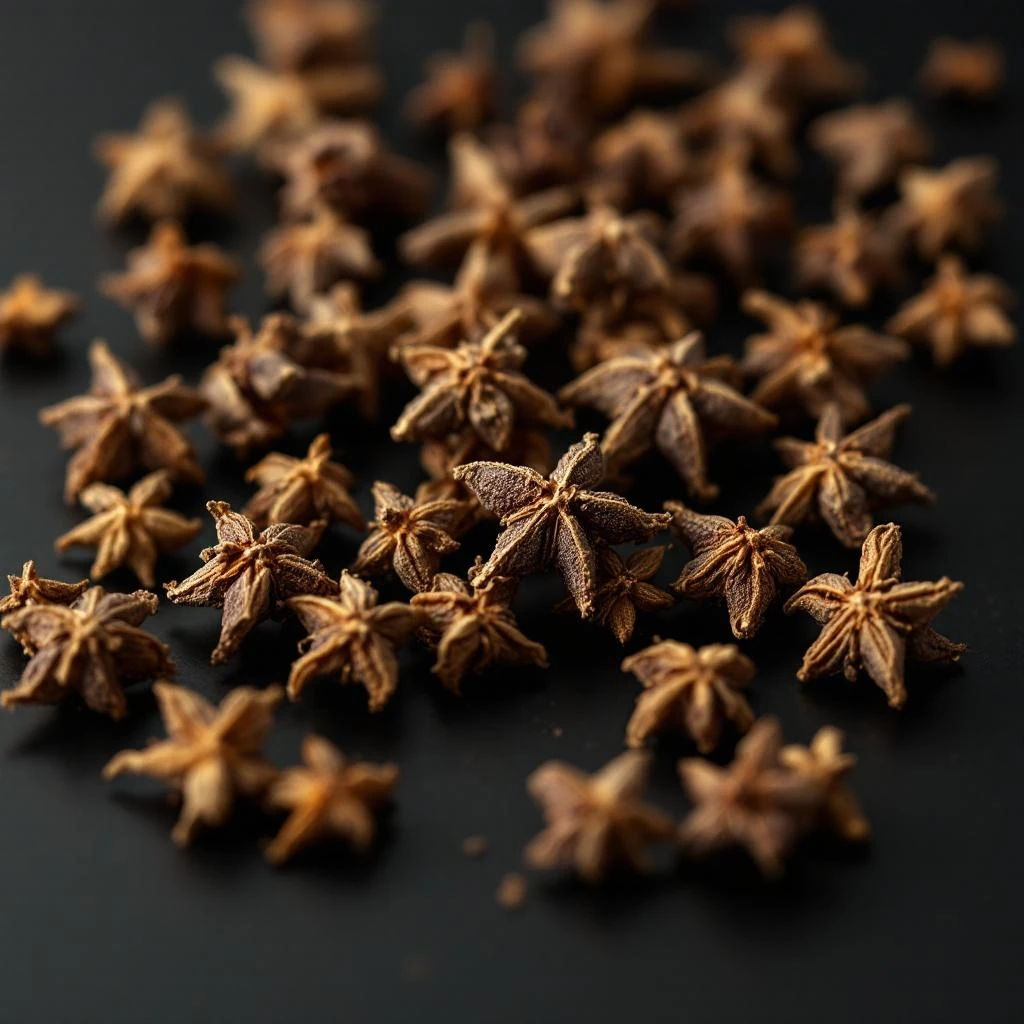
How it smells
The spicy heart of South Asian perfumery.
Ancient Indians offered paan, a betel leaf wrapped around areca nut, as a gesture of respect to guests and elders.





Origin
India
Betel leaf has been cultivated across the Indian subcontinent and Southeast Asia for thousands of years. Ancient Ayurvedic texts mention Piper betel extensively for its medicinal properties. In India and neighboring countries, people traditionally wrapped betel leaf around areca nut to create paan, a ceremonial offering exchanged as a sign of respect and hospitality.
Buddhist scriptures from ancient Sri Lanka reference betel vines grown in monastery gardens. When European traders arrived in the region, they documented the widespread practice of chewing paan. Beyond ceremonial use, cooks employed betel leaves to flavor curries and street food across Bengal, Assam, and beyond.
The aromatic leaf eventually caught the attention of early perfumers seeking distinctive spicy materials. Today, betel leaf oil remains a niche but treasured ingredient in fine fragrance, valued for its complex aromatic profile that reflects centuries of cultural significance.
Wears it best
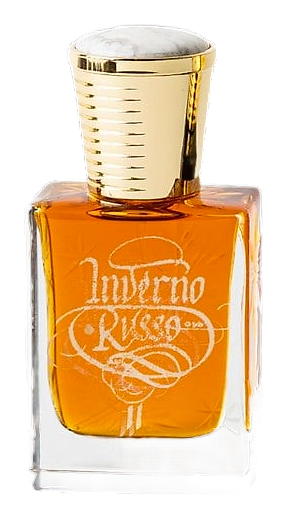
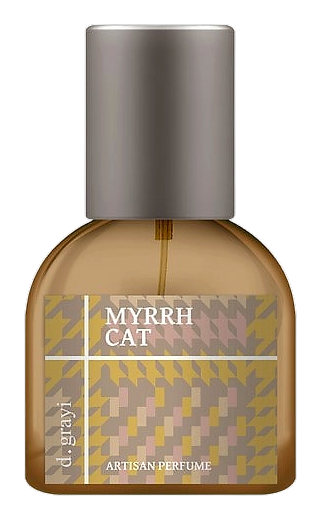
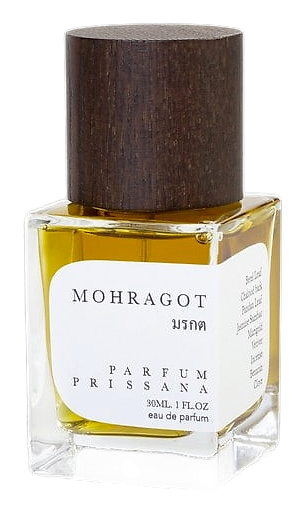
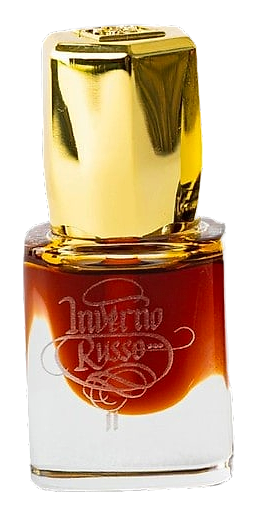
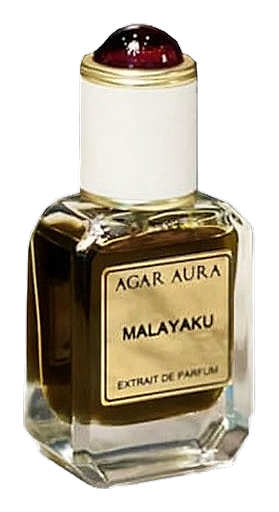
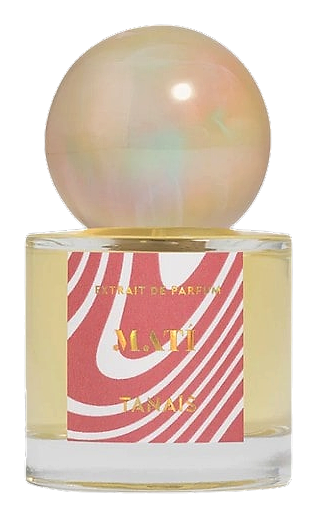
Fragrances featuring Betel Leaf
Brands
Brands known for Betel Leaf
Good to know
Questions, answered
The essentials on Betel Leaf in perfumery: how it smells, where it comes from, and how it behaves on skin.
What does betel leaf smell like in perfume?
Betel leaf oil has a sharp, spicy aroma reminiscent of clove and black pepper with green undertones. It adds an aromatic, slightly numbing quality to fragrances that works well in oriental and spicy compositions.
Where does betel leaf oil come from?
Betel leaf oil primarily originates from India, particularly West Bengal and Bihar states, along with Sri Lanka and Indonesia. These regions have cultivated Piper betel for centuries using traditional methods.
Is betel leaf the same as betel nut?
No. Betel leaf comes from Piper betel, a vine in the pepper family. Betel nut comes from the Areca palm (Areca catechu). These are two different plants often used together in paan but distinct in perfumery.
How is betel leaf oil extracted?
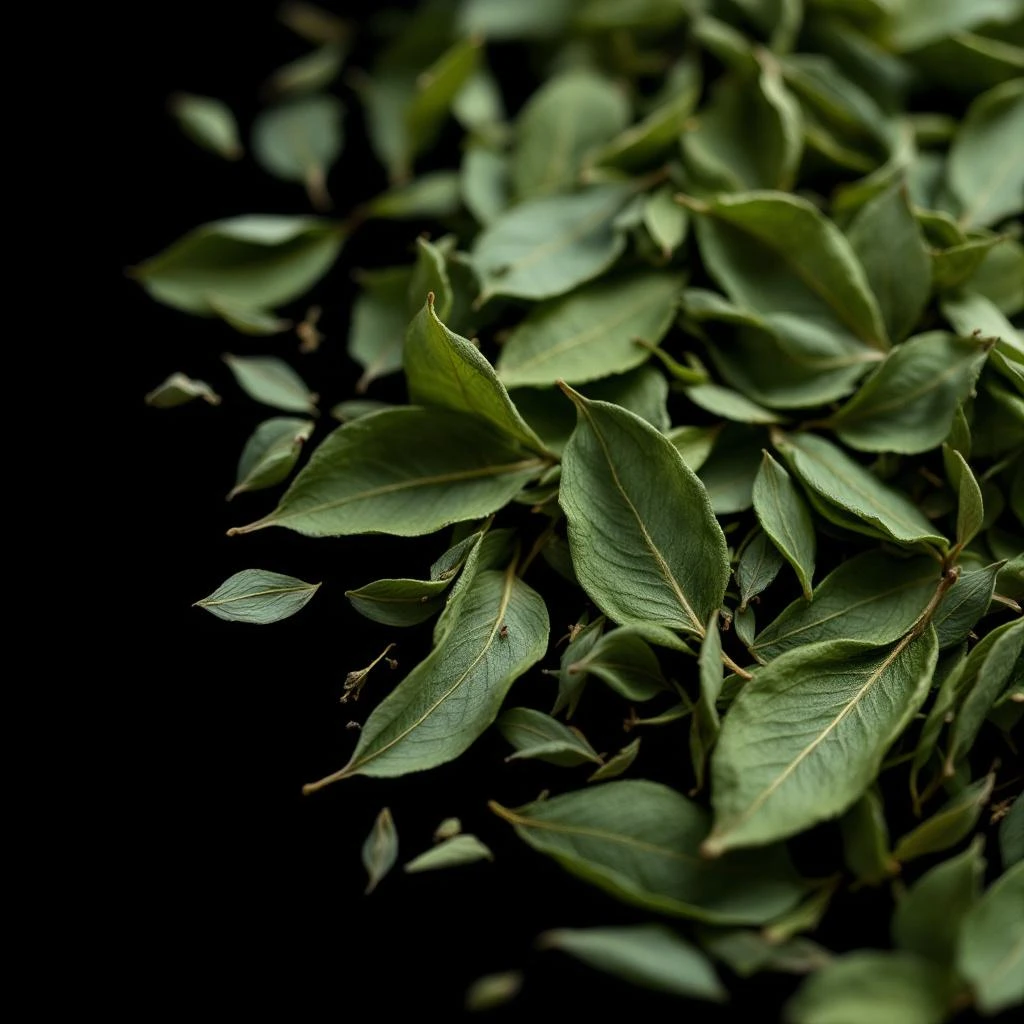
Manufacturers extract betel leaf oil through steam distillation of fresh leaves. This process yields approximately 0.7 to 1.5 percent essential oil by weight. The leaves must be processed within 24 hours of harvest to preserve aromatic compounds.
Is betel leaf oil safe in perfumery?
Betel leaf oil is safe for use in fine fragrances when properly diluted. Like many essential oils, it requires careful handling and should be used at low concentrations by professional perfumers.
What fragrance families use betel leaf?
Betel leaf appears in oriental, spicy, and chypre fragrance families. It pairs well with warm materials like oud, sandalwood, and spices. The oil works as both a heart note and a nuanced top note addition.
Why is betel leaf oil so rare in perfumery?
Betel leaf oil remains rare because extraction yields are low at 0.7 to 1.5 percent. Additionally, fresh leaves must be distilled immediately after harvest, which limits production to regions where Piper betel grows.
How much betel leaf oil do perfumers use?
Perfumery formulations typically use betel leaf oil at very low concentrations, usually below one percent of the total blend. The oil is potent and can overwhelm a fragrance if used too heavily.