The Story
Why it exists.
The beginning
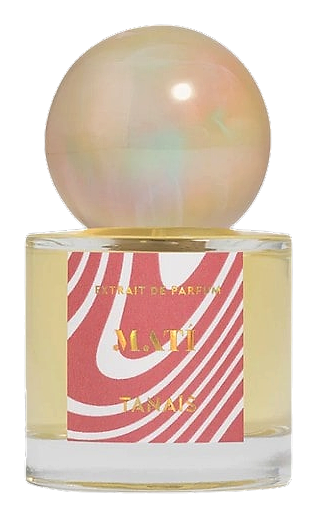
Matí arrived in 2021 as part of Studio Tanaïs's renewed focus on ritual and the poetic potential of scent. But this fragrance is older than its launch date. It comes from a mother's village in the Sindh region, where expecting mothers once ate little terracotta bricks, pieces of earth, of home, called earth chocolate. Tanaïs grew up with that story. The mitti attar in Matí is made from monsoon rain soaked clays distilled in sandalwood, sourced from Kannauj, and each batch captures a particular season's rain. The betel leaf is an ode to foremothers, grandmother's beloved paan, that after-dinner ritual, green spice and memory folded into one.
What makes Matí distinctive is its structure: earth as the foundation, not the accent. Mitti attar, clay from the Ganges, appears rarely in Western perfumery, and when it does, it usually plays supporting role. Here it opens the fragrance, honest and immediate. The betel leaf adds an aromatic, slightly sweet green quality that's native to South Asian palates but unexpected in a niche context. Rose petals, pink pepper, and Sichuan pepper arrive together, giving the opening a sharp beauty before the heart settles. Roasted cocoa and jasmine sambac soften the transition, while Turkish rose and rose attar layer into the earth rather than floating above it.
The evolution
The opening arrives fast: pepper's sharp edge cuts through, then the earth floods in, mitti attar at its wettest, that mineral clay smell of rain returning to parched ground. Thirty minutes in, the betel leaf emerges. Not green in the usual way. Aromatic, slightly sweet, carrying the memory of paan without replicating it. Rose follows, but it's not a delicate rose, Turkish rose and rose attar sit heavy, grounded by jasmine and roasted cocoa. The pepper fades by the second hour, leaving rose and earth in conversation. By the fourth hour, the base takes over: oud's smoky depth, vetiver's wild green, musk that stays close to skin. Tonka bean and vanilla arrive late, softening everything into warmth that lingers another few hours. On fabric, the mitti attar can last until the next day, the smell of monsoon in a pillowcase, in a remembered room.
Cultural impact
Matí occupies a rare space: an indie fragrance that draws from South Asian olfactory traditions without diluting them for Western palates. Mitti attar and betel leaf are not common materials in niche perfumery, and their presence here signals a confident refusal to simplify. The fragrance speaks to wearers who treat scent as memory, who understand that perfume can return the self to itself. In a market saturated with safe florals and trend-chasing orientals, Matí asks for something different: attention, patience, a willingness to sit with earth.