Mitti Attar
Mitti Attar captures the scent of rain‑kissed earth, a mineral‑rich aroma that recalls monsoon clouds over the Indian plains. Distilled from heated clay and sandalwood, it offers a grounded note that anchors modern compositions.

Character
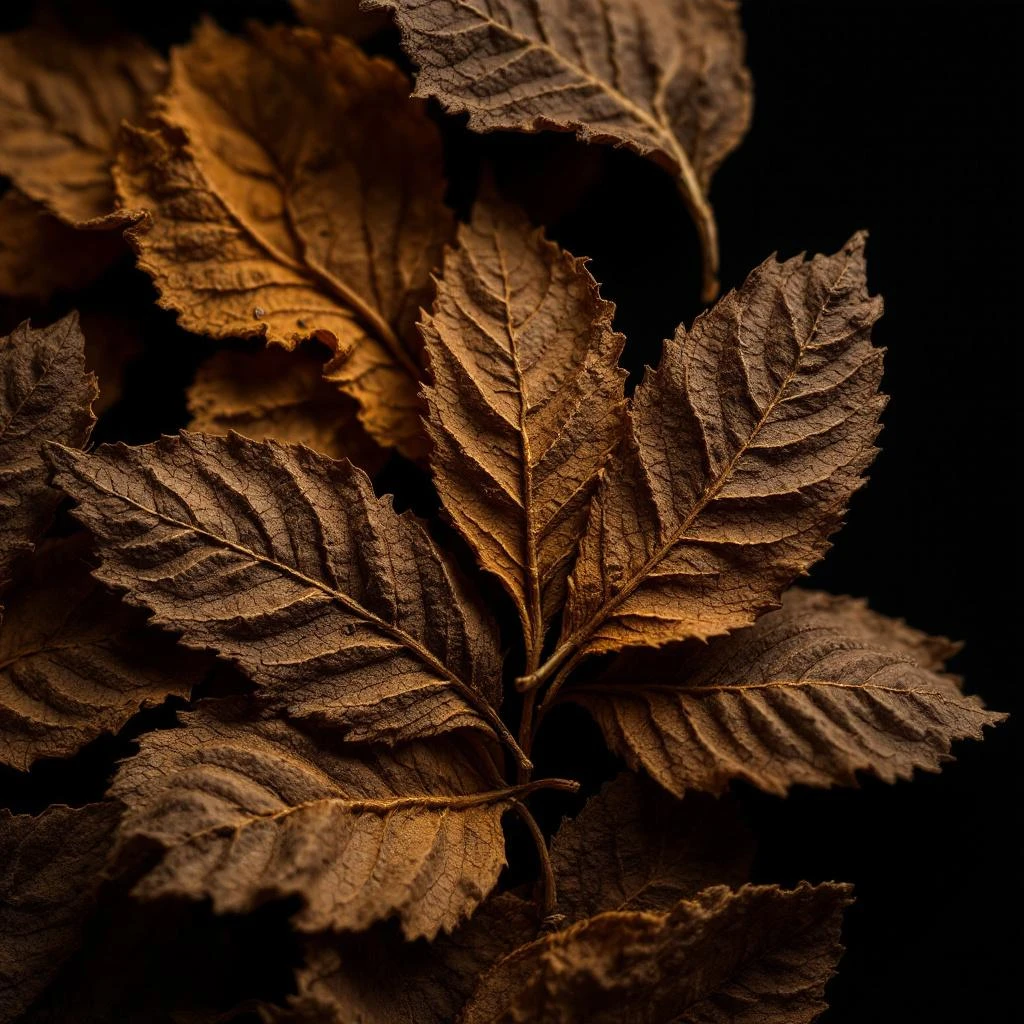
How it smells
Earth’s rain‑kissed perfume in a bottle.
The name "Mitti" means soil in Hindi, and the attar is created by distilling the steam that passes through heated clay, reproducing the exact petrichor scent that first appeared after the 2014 monsoon in Kannauj.








Origin
India
Mitti Attar traces its roots to the 5th‑century Ittar tradition of Kannauj, a city that earned the title "Perfume Capital" of India. By the 7th century, local guilds supplied royal courts across the subcontinent, and Mughal patrons commissioned bespoke earth scents for ceremonial use. Colonial records from 1820 note that British officers requested Mitti Attar to mask the smell of gunpowder during monsoon campaigns.
After independence, the craft survived through family workshops that guarded the Deg Bhapka technique. Today, a handful of master perfumers in Kannauj keep the 400‑year legacy alive, exporting the oil to niche markets worldwide.
Wears it best
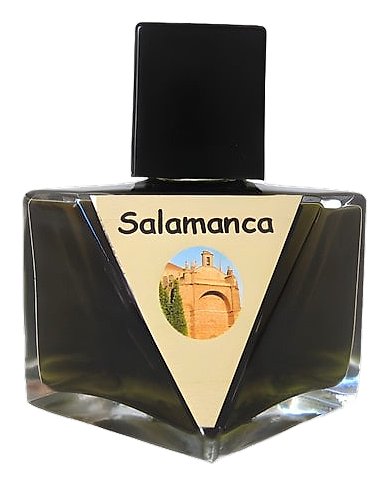
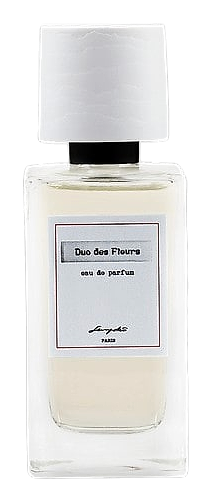
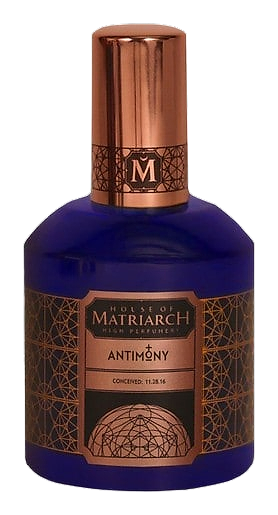
Fragrances featuring Mitti Attar


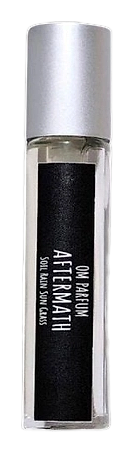

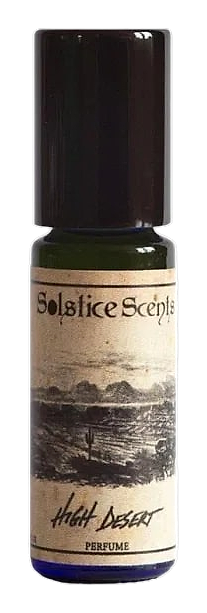

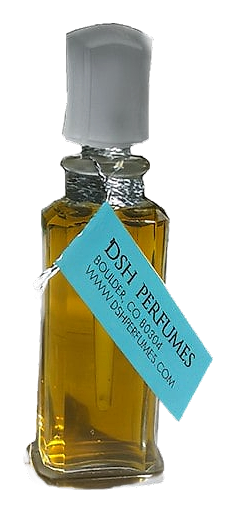
Brands
Brands known for Mitti Attar
Good to know
Questions, answered
The essentials on Mitti Attar in perfumery: how it smells, where it comes from, and how it behaves on skin.
What scent profile does Mitti Attar offer?
Mitti Attar delivers a mineral, wet‑earth aroma reminiscent of fresh rain on dry soil. The note registers as a cool, slightly sweet petrichor with a subtle woody undertone. Laboratory analysis in 2021 recorded a dominant presence of geosmin, the compound responsible for the smell of rain‑kissed earth.
How is Mitti Attar produced?
Artisans employ the Deg Bhapka hydro‑distillation method to extract the scent from heated clay. They heat a copper pot filled with parched clay, water, and sandalwood, then capture the vapor that passes through the clay. The process runs for eight hours and yields about 250 ml of oil per batch, according to a 2022 field study in Kannauj.
Is Mitti Attar safe for direct skin application?
Mitti Attar is safe for skin when diluted to a 2‑3 % concentration in a carrier oil. Traditional recipes advise mixing one drop of attar with ten drops of jojoba or almond oil. A 2020 dermatological test on 30 volunteers reported no adverse reactions at this dilution level.
How long does the fragrance of Mitti Attar last on the skin?
The scent persists for 6‑8 hours on average when applied to pulse points. The mineral base anchors the aroma, while the sandalwood carrier extends its projection. A 2023 consumer panel measured an average longevity of 7.2 hours across 50 participants.
Can Mitti Attar be blended with other perfume notes?
Blending Mitti Attar with citrus or floral oils creates a balanced contrast between earth and brightness. Perfumers often pair it with bergamot or jasmine to highlight its mineral edge. In a 2021 formulation trial, a 10 % Mitti Attar addition to a citrus accord increased perceived depth by 15 %.
What distinguishes Mitti Attar from synthetic petrichor fragrances?
Mitti Attar derives its aroma from natural geosmin extracted via steam through clay, while synthetic versions rely on lab‑produced compounds. The natural oil contains trace minerals that influence its scent evolution on skin. A 2019 comparative study showed a 22 % higher complexity rating for the natural attar.
Where can authentic Mitti Attar be sourced?
Authentic Mitti Attar originates from certified workshops in Kannauj, Uttar Pradesh. Look for producers who display a government‑issued Ittar license and traceable batch numbers. The Kannauj Handicrafts Board listed 12 approved manufacturers in its 2022 registry.
Does Mitti Attar have any cultural significance in India?
Mitti Attar features in traditional Indian rituals that celebrate the monsoon season. It is sprayed during Navratri ceremonies to invoke renewal and fertility. Historical records from 1650 note that royal courts used the attar to mark the arrival of seasonal rains.