The Story
Why it exists.
The beginning
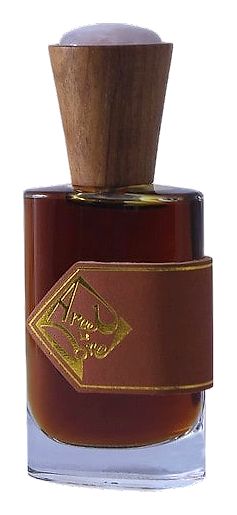
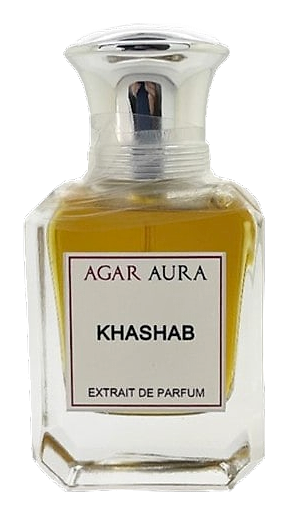
Khashab means wood in Arabic. The name places the fragrance squarely within a material-led idea of perfumery, where tree-derived elements are not simply a backdrop but the central language of the composition. Oud, frankincense, resins, woods, tar, and balsamic facets give Khashab its identity. The actual liquified resins sit alongside essential oils, adding depth and texture that help the fragrance feel substantial from the start. It is built around contrasts: resin and wood, dryness and sweetness, clean incense and tar-like darkness. The result is a perfume that speaks plainly about its materials while leaving room for each one to register differently depending on warmth and setting. Its character comes not from decoration, but from the close interplay of aromatic woods and resins.
Khashab puts the full weight on oud, frankincense, and resinous woody extracts. Instead of treating wood as a supporting texture, the composition lets those materials define its character from beginning to end. The inclusion of actual liquified resins alongside essential oils gives it a tactile richness, with incense, tar, and balsamic notes moving through the darker wood framework. Those facets can read as dry, warm, sweet, or crisp depending on the wearer and the surrounding temperature.
The evolution
Khashab opens with a strongly material impression: oud, frankincense, wood, resin, and tar establish the composition's central character without relying on floral decoration. The early scent can seem dry, resinous, and direct, with the incense facets lending a clean structure around the darker woods. As the fragrance develops, its warmer and sweeter qualities become easier to perceive. The resins add depth, while the oud gives the composition weight and continuity. Frankincense keeps the woody profile from becoming entirely heavy, introducing a lucid, resinous counterpoint that becomes clearer as the scent unfolds. Indoors, Khashab can take on a rounder, more enveloping quality as warmth brings forward its creamy and balsamic aspects. In cooler air, the wood and tar can feel more pronounced.
Cultural impact
Khashab offers a direct expression of oud, resins, wood, and incense. Its appeal lies in the way these materials interact across dry, warm, sweet, crisp, and balsamic dimensions. Rather than presenting wood as a background accent, the fragrance gives it room to shape the whole composition. Changes in temperature and surroundings can reveal different aspects of the scent, making each encounter feel distinct while preserving the consistent presence of oud, frankincense, resin, and woody extracts.
The House
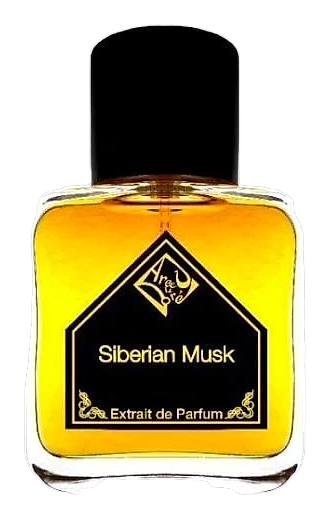
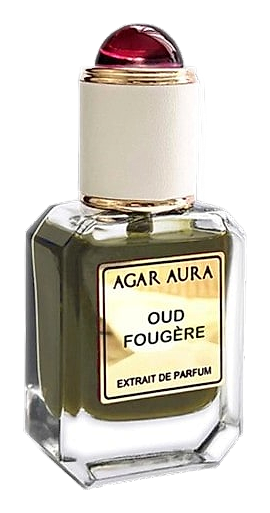
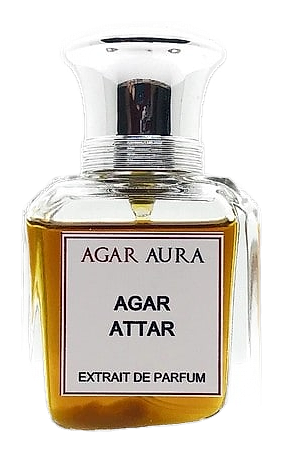
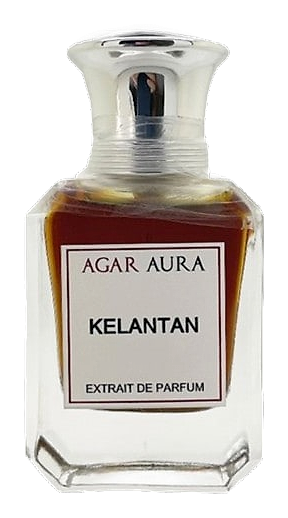
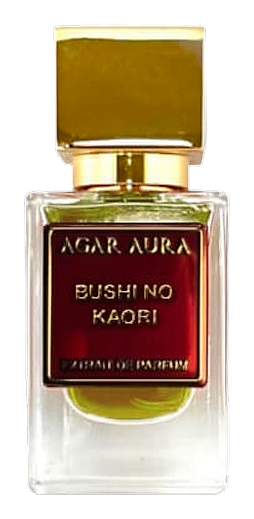
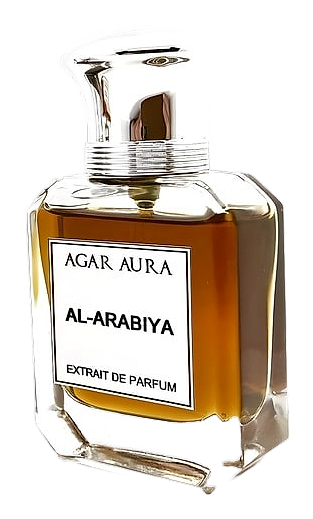
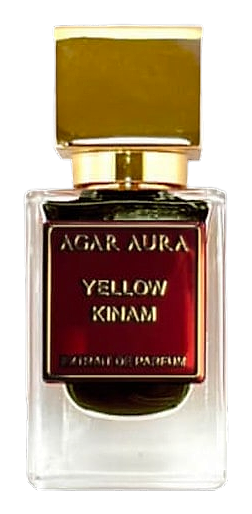
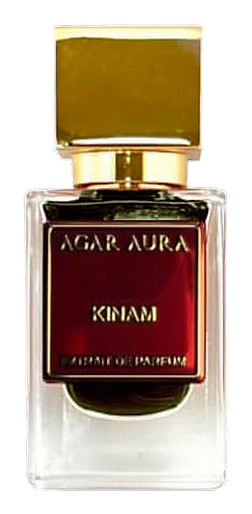
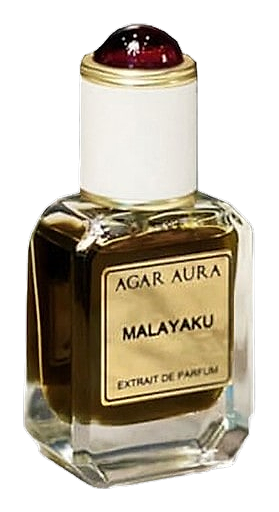
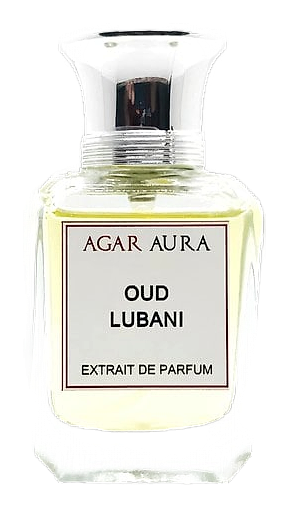
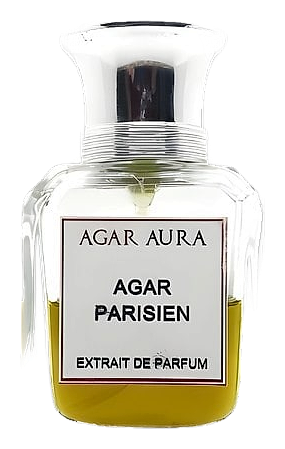
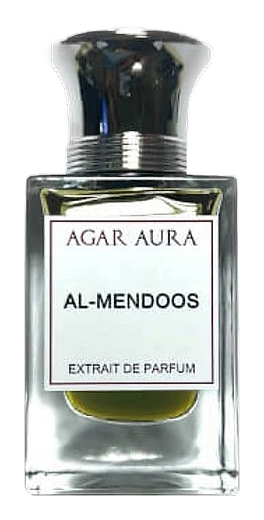
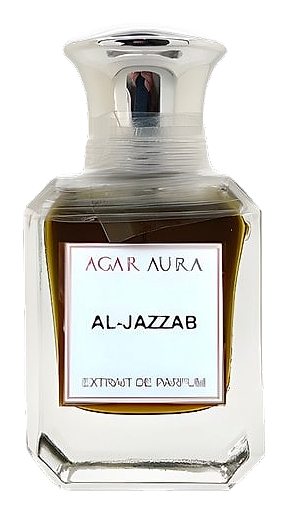
Agar AuraAgar Aura is a Malaysian fragrance house and artisan oud distiller founded by perfumer Taha Syed. The brand centers on oud as its primary creative medium, treating oud-centric perfumery as an art form rather than a commercial category. The collection spans thirty perfumes, with earliest documented releases dating to 2012. Fragrance names draw from oud industry traditions and specific geographic regions associated with agarwood production, including Burmese and Malaysian locations. The house operates across two disciplines: crafting pure oud oils through in-house distillation and composing finished perfumes and extraits. Notable releases include Al-Jazzab (2022), described as a rose-heavy extrait intended to push beyond established standards, Myitkyina 4K (2021), named for a Burmese city in Shan State, and the more recent Al-Mendoos (2024). The brand maintains a deliberately understated presence, prioritizing material quality and distillation craft over visual branding or marketing narratives.
The Creator
Taha SyedTaha operates as both distiller and perfumer, a rare combination that gives him unusual control over his materials. Oud and agarwood form the foundation of his aesthetic, yet he extends beyond them into broader compositions.