
The Story
Why it exists.
The beginning
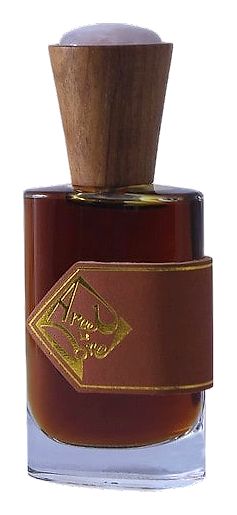
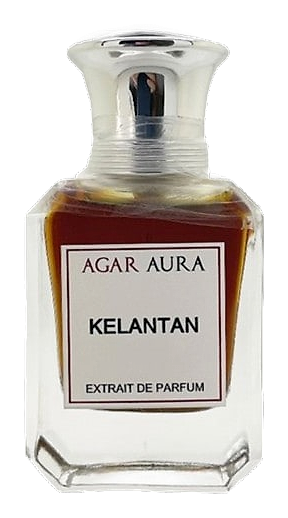
Kelantan takes its name from the northeastern Malaysian state long associated with agarwood production, a region where oud isn't a luxury import but a working tradition. Released in 2020, the composition marks the house's first extrait, a format chosen to carry the density of fuming super king grade agarwood chips. Syed built the composition around what he calls the true-to-life aroma of those sizzling chips, rather than a cleaner, more abstracted oud profile. The goal was to translate the experience of standing near burning oud resin into something wearable, with enough nuance to reward attention but enough presence to announce itself. It's an exercise in regional specificity: a Malaysian oud from a Malaysian perfumer, named for a Malaysian state.
What sets Kelantan apart from typical oud-forward extraits is its supporting structure. Syed leans on in-house aged cinnamon and vanilla tinctures rather than essential oils, which shifts the cinnamon from shrill and piercing to rounded and creamy. Malaysian tea tincture adds a bittersweet bellowing quality that pushes the resin forward instead of letting it sit flat. The propolis extract is the quiet hero; it brings a velvety, almost honeyed texture that softens the oud's sharper edges without dulling its character.
The evolution
The opening lands dense, almost immediately, with cinnamon and black pepper setting a warm, spiced frame before the agarwood fully registers. The heart phase is where Kelantan makes its case: the propolis and tea tinctures build a humid, almost steamed quality, the kind of air that sits heavy in a room where something has been simmering. The oud here is smoky and rich without veering into the barnyard territory that turns some wearers off. It's an oud that tastes cooked rather than raw. As the hours pass, the cinnamon and vanilla tinctures take over the base, settling into something creamy and resinous, the propolis turning almost waxy in feel. The drydown the next morning reads as a faint, warm wood close to skin, the kind of trail you catch when you pull a sweater over your head.
Cultural impact
Kelantan speaks to wearers who already know what real oud smells like and want that experience bottled rather than abstracted. The fragrance assumes familiarity with the material, presenting agarwood in a dense, resin-forward format that doesn't dilute its character for broader accessibility. It rewards attention and patience, with layers that unfold over hours rather than minutes, and a composition that stays close to the source material it references.
The House
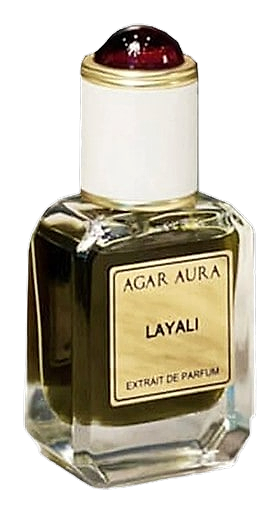
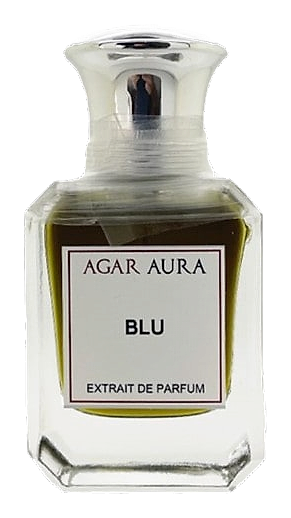
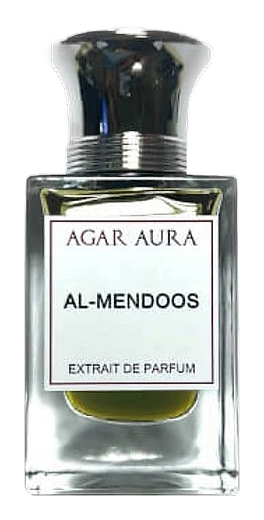
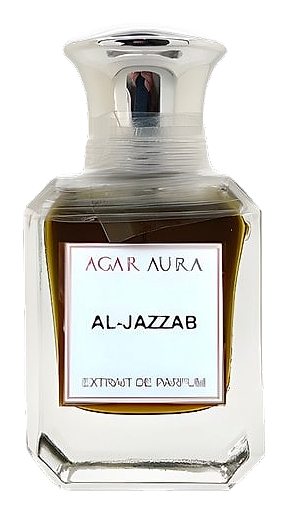
Agar AuraAgar Aura is a Malaysian fragrance house and artisan oud distiller founded by perfumer Taha Syed. The brand centers on oud as its primary creative medium, treating oud-centric perfumery as an art form rather than a commercial category. The collection spans thirty perfumes, with earliest documented releases dating to 2012. Fragrance names draw from oud industry traditions and specific geographic regions associated with agarwood production, including Burmese and Malaysian locations. The house operates across two disciplines: crafting pure oud oils through in-house distillation and composing finished perfumes and extraits. Notable releases include Al-Jazzab (2022), described as a rose-heavy extrait intended to push beyond established standards, Myitkyina 4K (2021), named for a Burmese city in Shan State, and the more recent Al-Mendoos (2024). The brand maintains a deliberately understated presence, prioritizing material quality and distillation craft over visual branding or marketing narratives.
The Creator
Taha SyedTaha operates as both distiller and perfumer, a rare combination that gives him unusual control over his materials. Oud and agarwood form the foundation of his aesthetic, yet he extends beyond them into broader compositions.