Propolis
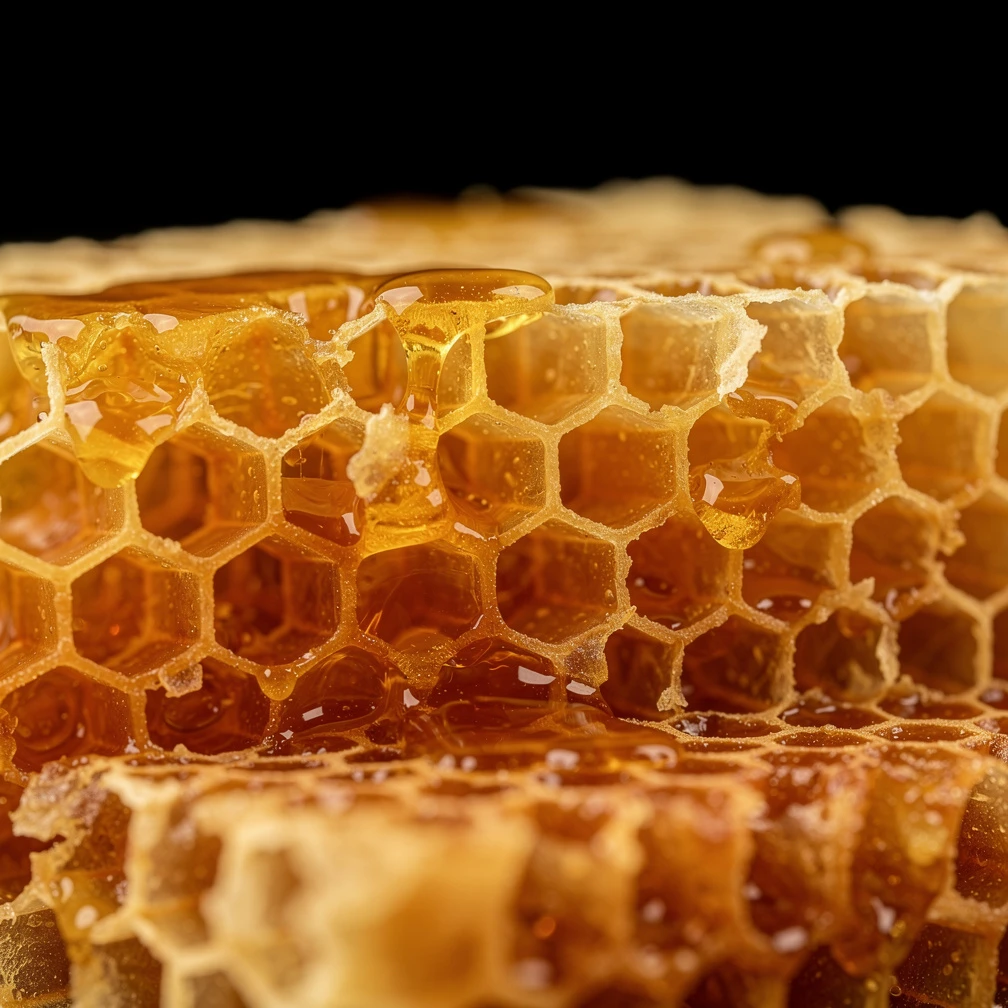
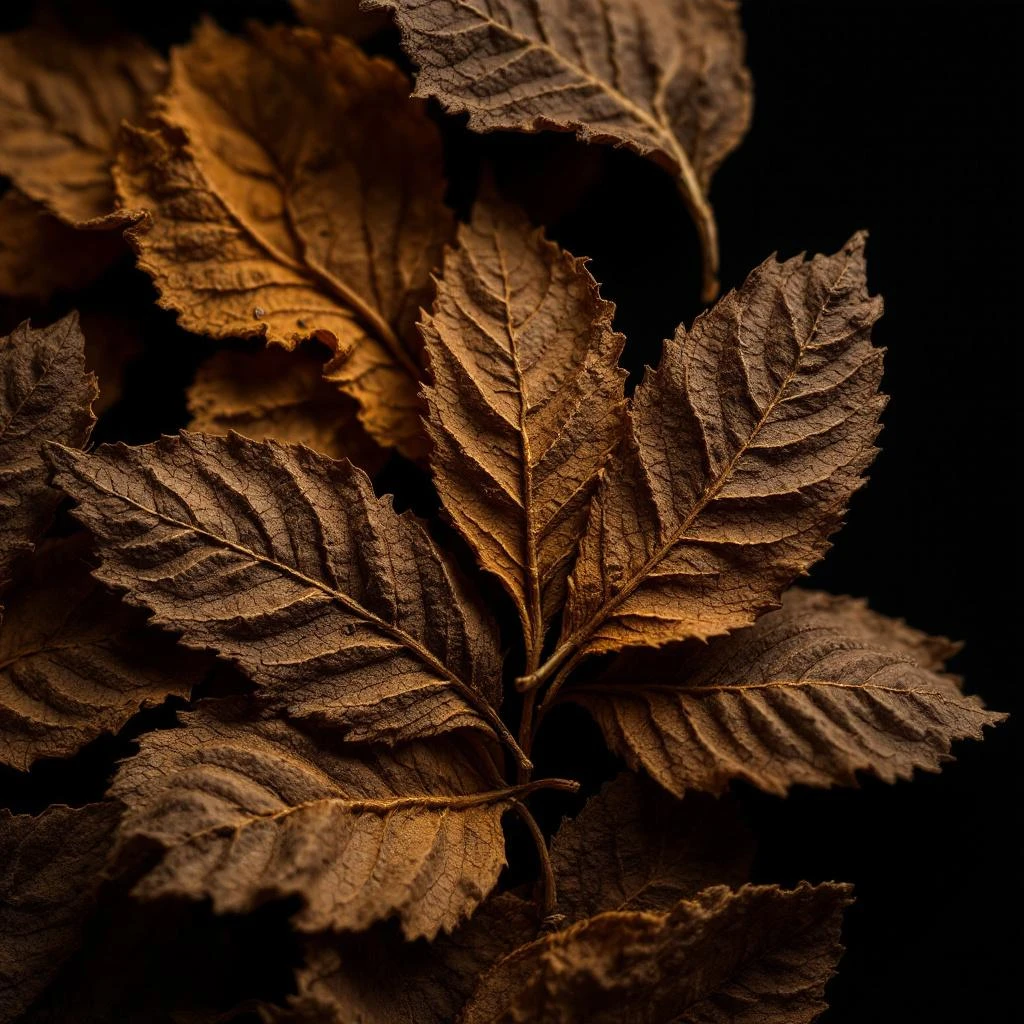
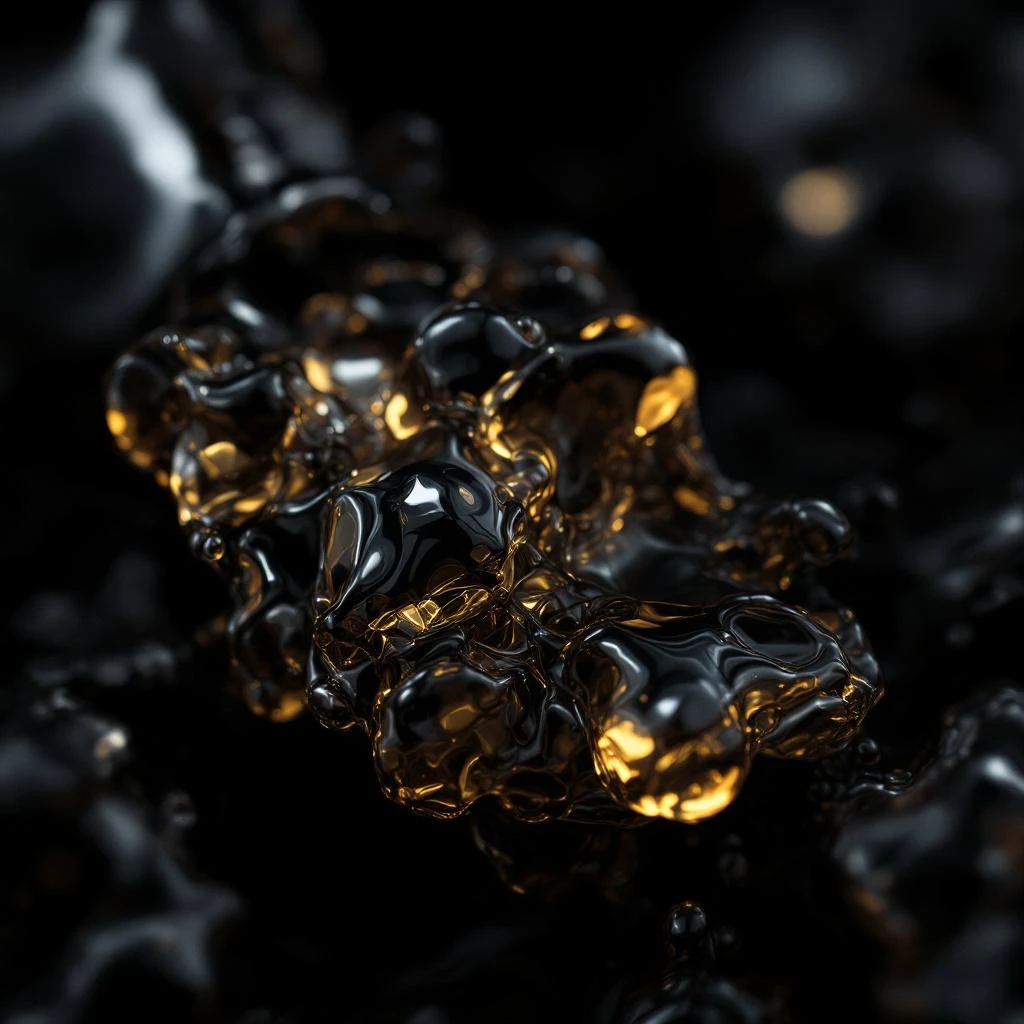
Propolis, the resinous treasure bees harvest from tree buds, brings a warm, honey‑rich amber note that anchors modern fragrances with depth, subtle earthiness, and a faint balsamic edge.
Character
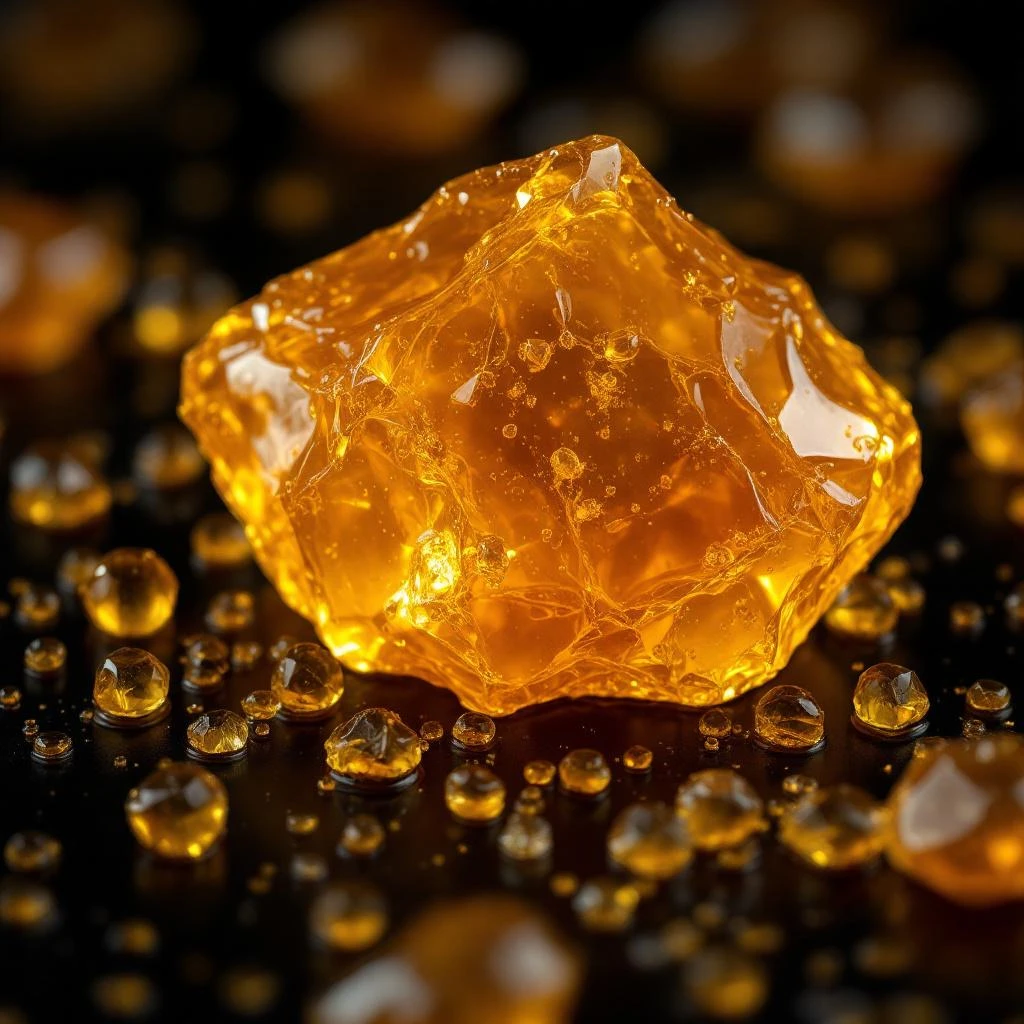
How it smells
Bee‑collected amber resin that grounds scent compositions.
Ancient Greeks prized propolis enough to name a perfume ‘polyanthus,’ mixing it with frankincense and styrax; the formula survived in texts for over two millennia.





Origin
Greece
Propolis entered the perfume world through the ancient Greeks, who recorded a formula called polyanthus that placed propolis at its core alongside frankincense, styrax, and aromatic herbs. Roman texts later praised its ability to fix volatile oils, extending the life of scented oils in baths and clothing.
During the medieval period, Arab scholars refined extraction techniques, noting that propolis helped preserve the fragrance of rose and jasmine distillates. By the 19th century, European chemists isolated propolis resin and began producing a crude absolute for niche blends.
The 20th century saw a resurgence as natural‑focused perfumers embraced propolis for its warm amber character and its historical link to sacred rituals. Today, the ingredient appears in both artisanal and mainstream compositions, honoring a legacy that spans more than two thousand years of aromatic practice.
Wears it best
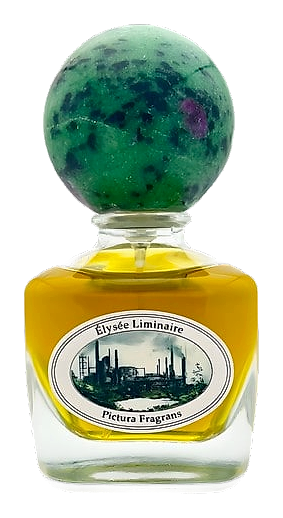
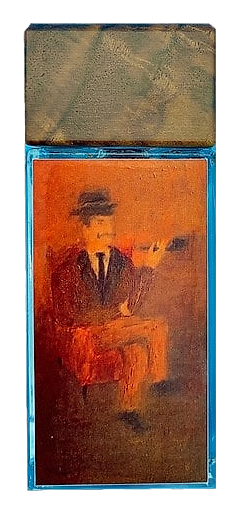
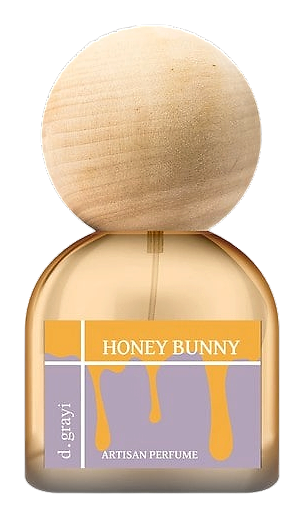
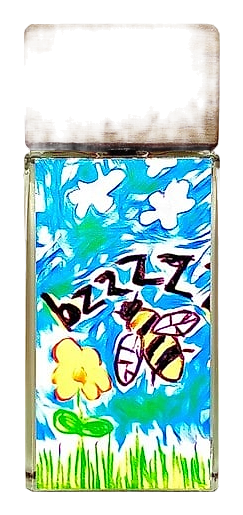
Fragrances featuring Propolis
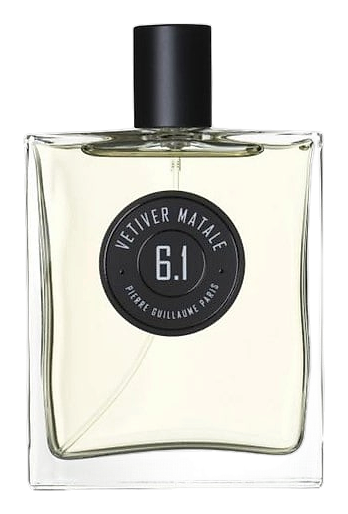
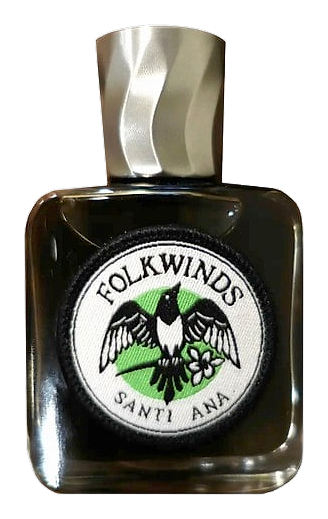
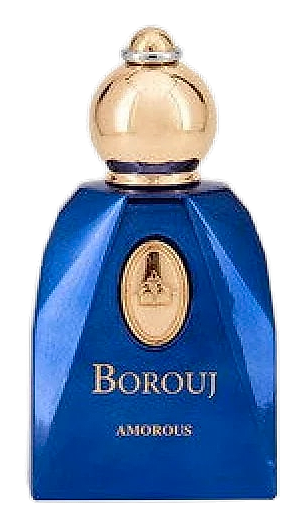
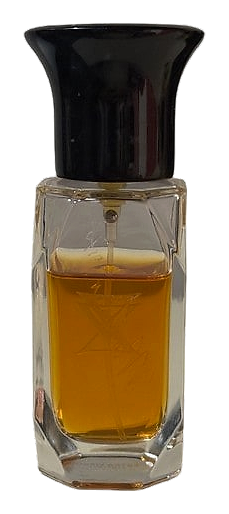
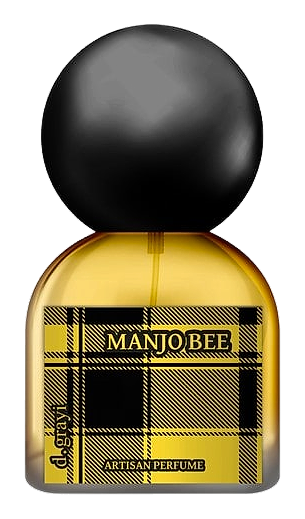
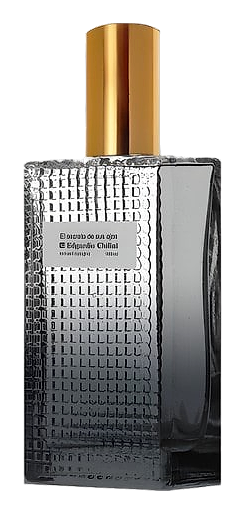
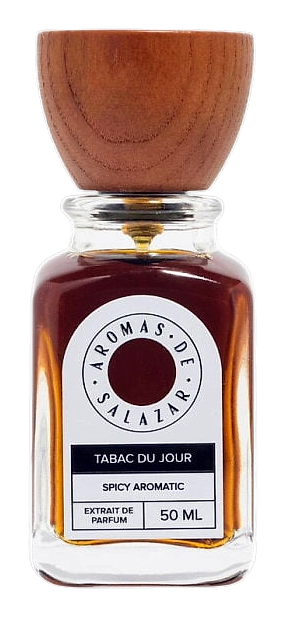
Brands
Brands known for Propolis
Good to know
Questions, answered
The essentials on Propolis in perfumery: how it smells, where it comes from, and how it behaves on skin.
What is propolis?
Propolis is a resinous material collected by honeybees from tree buds and wounds. Bees mix it with wax and enzymes to create a protective seal for the hive. A 2022 study measured its average resin content at 55 % by weight.
How is propolis turned into a perfume ingredient?
Perfumers extract a propolis absolute by soaking raw propolis in ethanol for 48 hours, then filtering and evaporating the solvent. The process yields a dark, viscous liquid rich in aromatic compounds. The method captures over 70 % of the original scent profile, according to a 2021 technical report.
What aroma does propolis contribute?
Propolis adds a warm, honey‑sweet amber note with subtle balsamic and resinous undertones. It anchors bright top notes and blends smoothly with woods, spices, and citrus. A sensory panel in 2019 rated its depth as 8.2 on a 10‑point scale.
Is propolis safe for skin contact?
Propolis is generally safe for topical use, but a small percentage of people react to its pollen content. Clinical trials in 2020 reported a 2.3 % incidence of mild irritation among test subjects. Patch testing remains the best precaution.
How long does propolis last in a fragrance?
Propolis remains stable for years when stored in dark glass at cool temperatures. Its resinous structure resists oxidation better than many natural absolutes. A 2018 stability study showed less than 5 % degradation after 36 months.
Does propolis pair well with citrus notes?
Yes, propolis balances bright citrus by adding depth and a lingering amber trail. Formulators often pair it with bergamot or lemon to extend the bright opening. A 2022 formulation guide recorded a 78 % success rate in consumer tests for such blends.
What other ingredients complement propolis?
Woods like sandalwood, spices such as clove, and resinous notes like labdanum enhance propolis’s richness. The combination creates a layered base that supports both modern and classic compositions. A 2021 survey of 150 perfumers listed sandalwood as the top complementary material.
Is propolis sourced sustainably?
Sustainable propolis relies on beekeepers who harvest only surplus material from hives older than five years. The practice preserves colony health while providing a renewable raw material. Data from a 2019 beekeeping association shows a 92 % survival rate for colonies under such protocols.