The Story
Why it exists.
The beginning
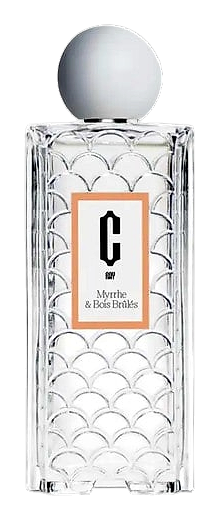
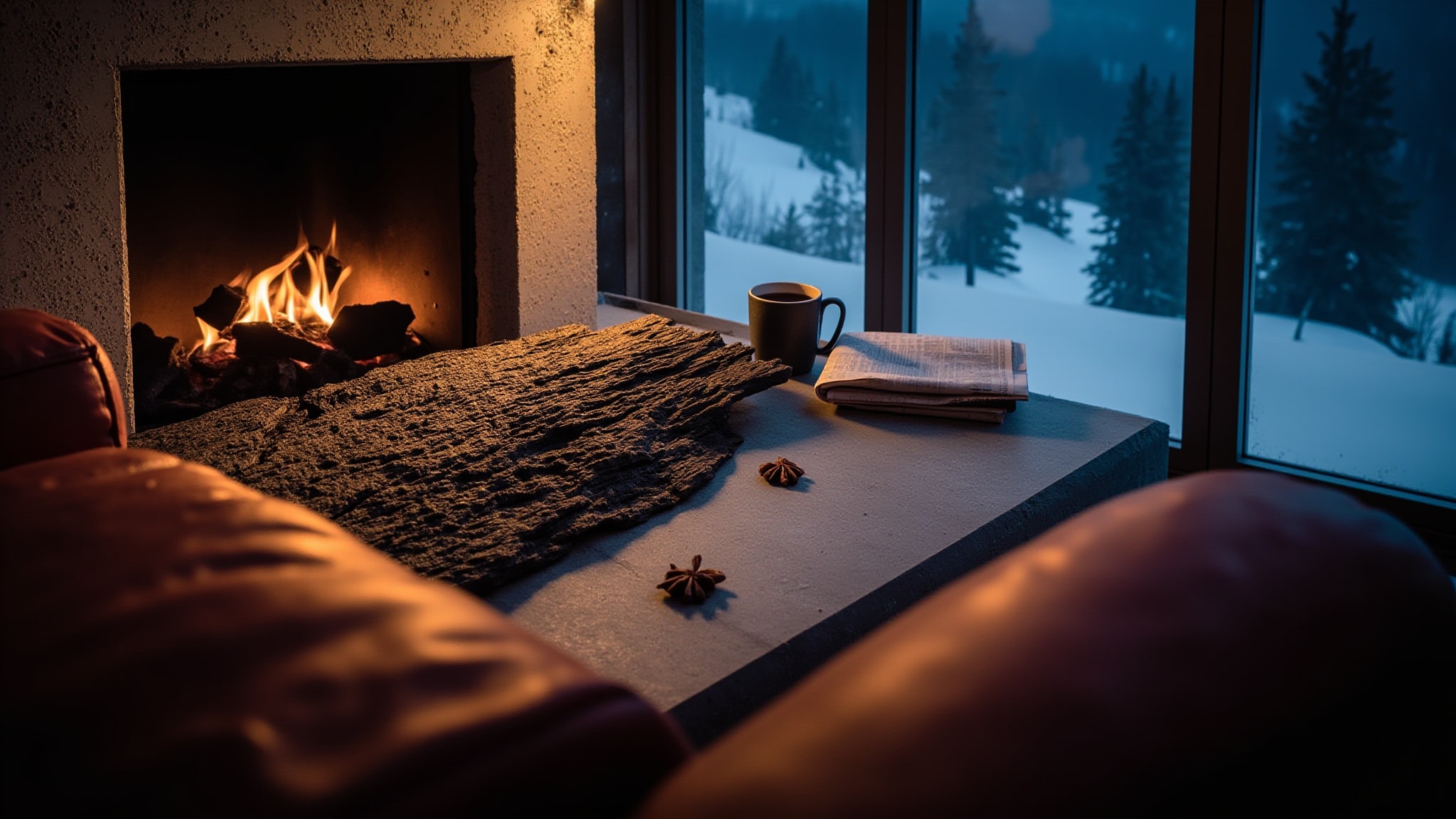
Myrrhe & Bois Brûlés is built around a single image: Mariela's winter room, where biting cold crept through the glass while a log fire filled the space with heat and resinous comfort. The composition translates that tension, frozen and burning existing in the same breath, into scent. Jean-Michel Duriez composed the release as part of Carlotha Ray's collection of fragrances, each carrying a paired-material title that names the dominant players before everything else. Here, myrrh meets bois brûlés, and around them, everything else becomes atmosphere: cooked apple, frosted anise, burnt cade, and the curling sweetness of licorice tea. The opening unfolds with a clarity that almost feels architectural.
The interesting choice is structural restraint. Most compositions chasing warmth reach for vanilla, amber, or heavy gourmands. This one stays in sharper territory, with star anise and cinnamon leaf providing heat that reads as cold, and cade juniper wood doing the smoky work usually reserved for birch tar or oud. The pairing of anise's liquorice sharpness with osmanthus's apricot-like floral gives the heart a fruit note that never becomes sweetness. Myrrh, the named anchor, sits deeper, pulling the whole composition toward something ancient and resinous rather than edible.
The evolution
The first ten minutes are almost entirely cold. Star anise and green apple snap forward, sharp and almost mentholated, the way cold air feels on the back of your throat when you step outside. There's a sweetness underneath, baked rather than candied, that comes from the apple pie accord and apricot kernel, but it stays restrained. Within thirty minutes, cinnamon leaf and ylang-ylang warm the composition, and osmanthus introduces a dried-fruit floral note that softens the edges. The leather and licorice arrive around the two-hour mark, and the smoke from cade juniper wood becomes more present. By hour four, the anis has faded almost entirely. What's left is myrrh, oakmoss, mate, and the dry, slightly bitter leather. It sits close to skin for the remaining hours, projecting softly rather than filling space.
Cultural impact
The anis-forward opening and the cade juniper wood smoke give this composition genuine character, and the osmanthus-myrrh pairing keeps it from reading as purely gourmand or purely smoky. Wearers who reach for Myrrhe & Bois Brûlés tend to want winter scents with backbone, compositions that evolve rather than stay static. There's a curiosity to the blend that rewards attention: the cool spices open the door, the smoke fills the room, and the myrrh lingers long after the fire has gone out. What makes this composition distinctive is how confidently it holds its contrasts.