Apricot Kernel
Apricot kernel delivers a warm, amaretto-like bitterness that elevates gourmand compositions. Pressed from the seeds within apricot stones, this fatty oil brings subtle almond nuance and rich textural depth to fragrance bases.
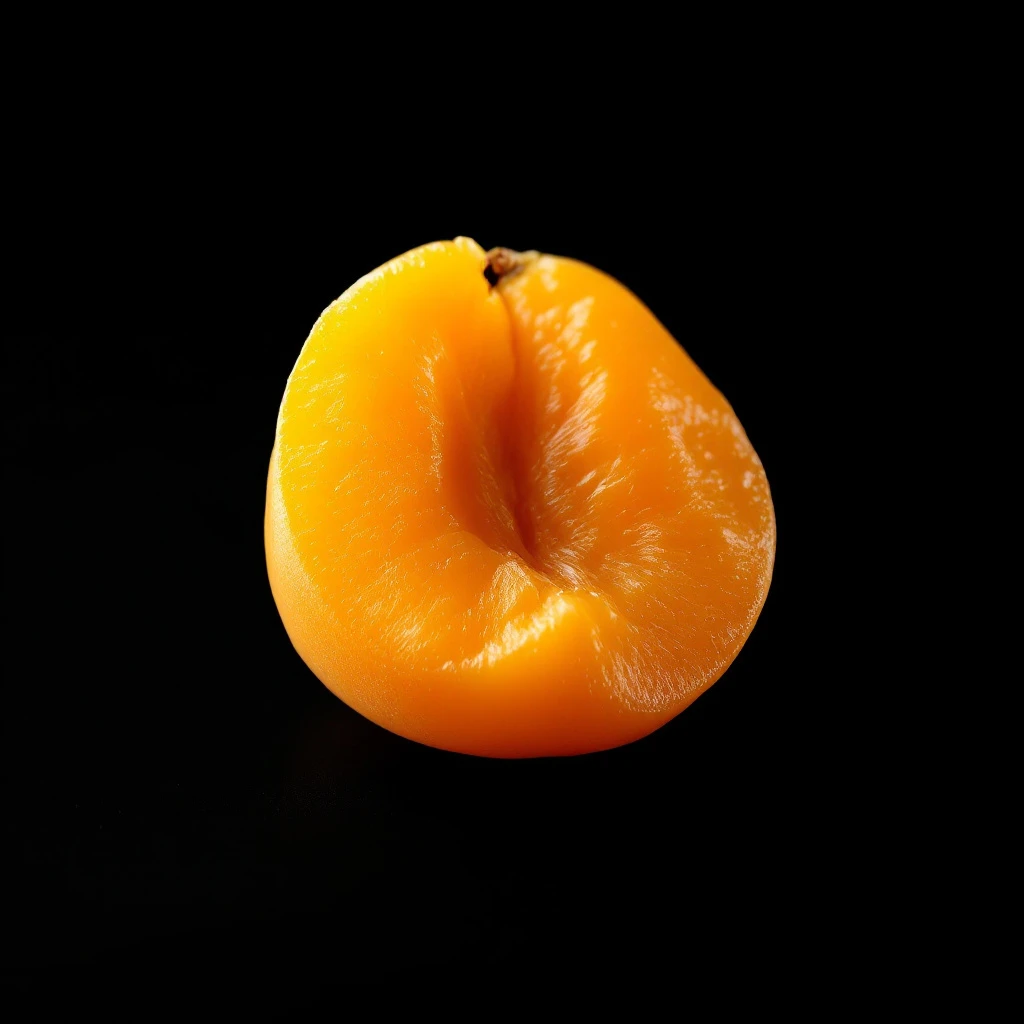
Character
How it smells
Warm, nutty depth with an almond-like bitter edge
A single apricot stone yields kernels containing amygdalin, which breaks down into benzaldehyde — the same compound responsible for natural almond scent.

Origin
China
Apricots trace their cultivation to the mountainous regions of Central Asia and China over 4,000 years ago, spreading westward along ancient trade routes to Armenia, Persia, and the Mediterranean. Arab perfumer Al-Kindi documented apricot use in fragrance recipes during the 9th century, one of the earliest written records linking apricots to scent-making. While the fruit itself became prized across cultures for food and medicine, the kernel remained an overlooked byproduct until perfumers recognized its aromatic potential.
In traditional medicine, apricot kernels were consumed for their supposed health properties, though modern use centers on the oil's cosmetic and fragrant applications. Today, apricot kernel functions as a niche but valued ingredient, particularly in indie and natural perfumery, where its warm, nutty character adds authenticity to almond, cherry, and amaretto-themed fragrance families.
Wears it best
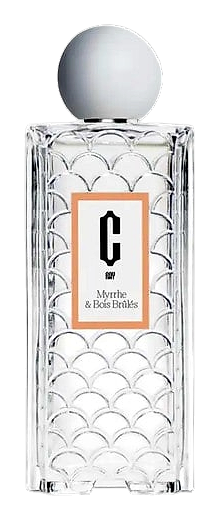
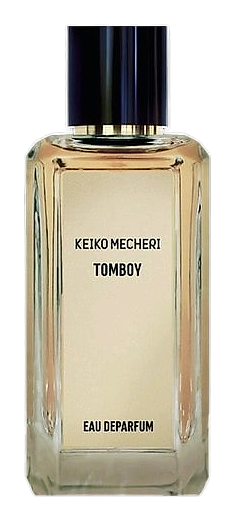
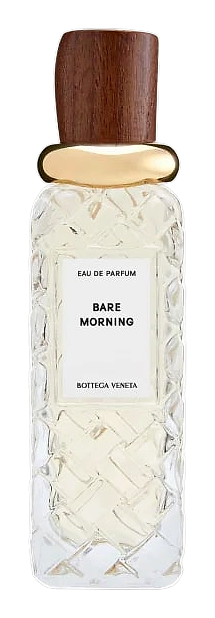
Fragrances featuring Apricot Kernel
Brands
Brands known for Apricot Kernel
Good to know
Questions, answered
The essentials on Apricot Kernel in perfumery: how it smells, where it comes from, and how it behaves on skin.
What does apricot kernel smell like in perfume?
Apricot kernel carries a warm, nutty scent with bitter-almond undertones from naturally occurring benzaldehyde. It adds depth and a subtle amaretto quality to fragrance bases.
Is apricot kernel oil used in natural or synthetic perfumery?
Both. Natural apricot kernel oil is cold-pressed and used by natural perfumers, while synthetic replicas of its scent profile are created using benzaldehyde and related aromatic molecules.
How is apricot kernel oil produced for fragrance use?
Kernels are extracted from apricot stones after fruit processing, then cold-pressed or solvent-extracted to isolate the fatty oil containing aromatic compounds.
Which fragrance families use apricot kernel?
It appears most often in gourmand, oriental, and woody compositions. It pairs well with almond, vanilla, cherry, tonka bean, and sandalwood.
Is apricot kernel the same as apricot blossom in perfumery?
No. Apricot kernel comes from the seed inside the stone, while apricot blossom has no commercial extraction and is always recreated synthetically.
Does apricot kernel add sweetness or bitterness to fragrance?
It provides both. The benzaldehyde content delivers characteristic bitter-almond notes, while the fatty oil base contributes a warm, subtly sweet undertone.
Which countries produce apricot kernel oil for perfumery?
Turkey, California, and Central Asian nations are major producers. China remains the historical origin and leads global apricot cultivation.
How long has apricot kernel been used in perfumery?
Arab perfumer Al-Kindi documented apricot in fragrance recipes during the 9th century, making its documented perfumery use at least 1,200 years old.