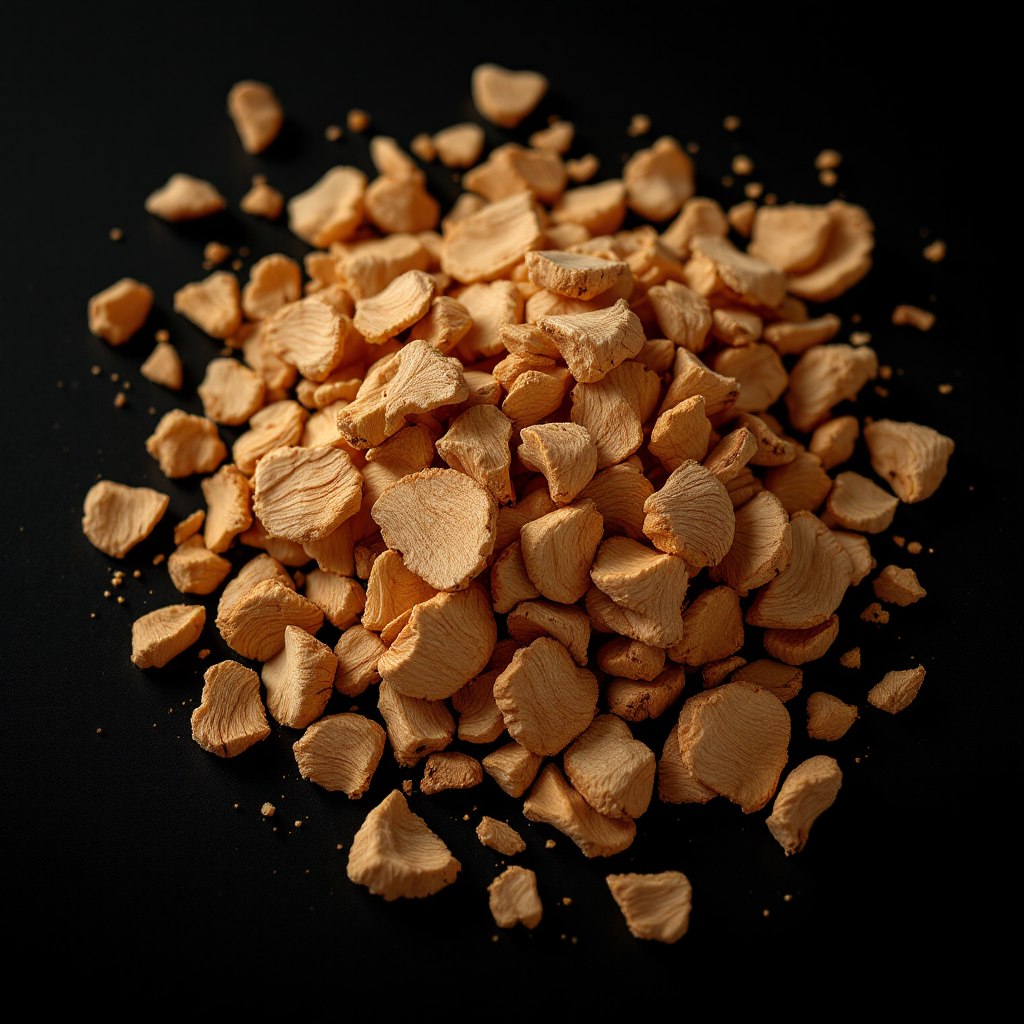
Cade Juniper Wood
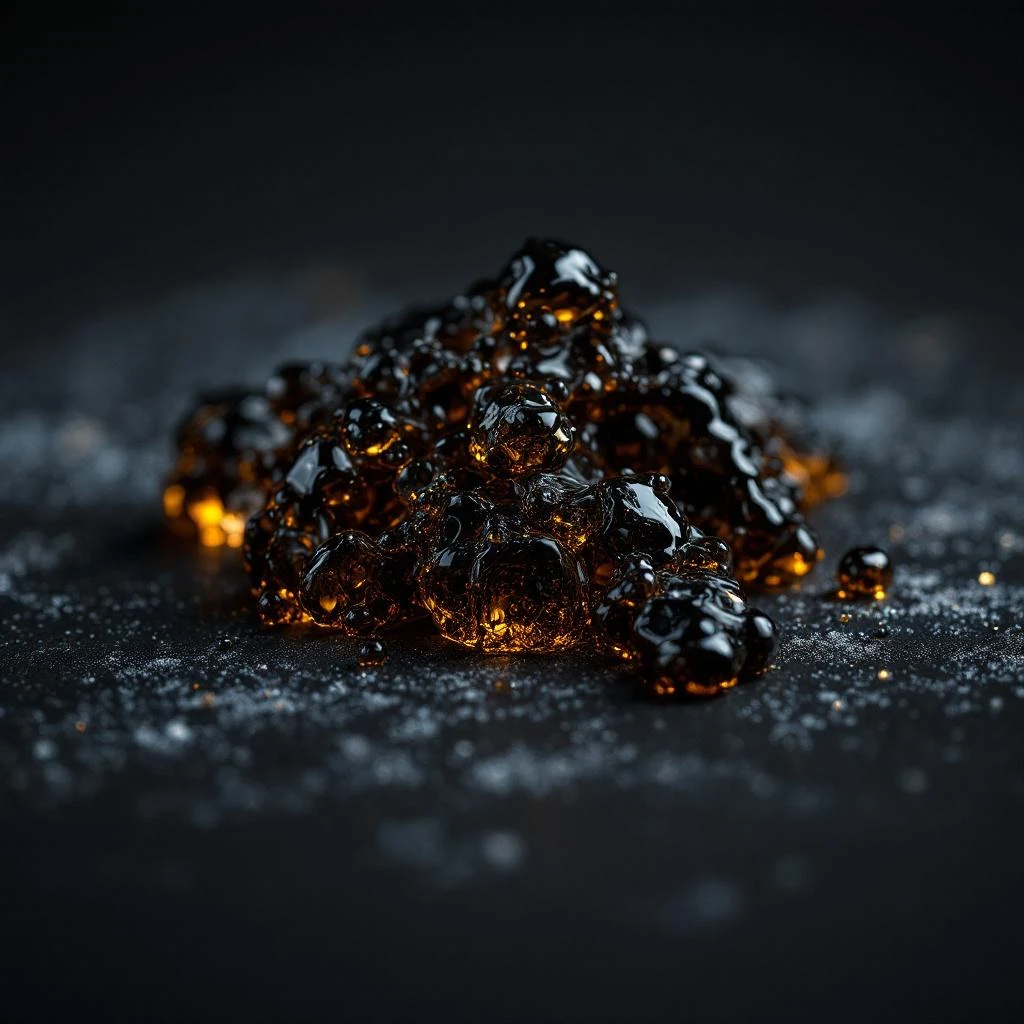
A dark, smoky distillation of prickly juniper branches, cade oil carries the campfire essence of Mediterranean woodlands. The note reads as charred wood, leather, and resin, anchoring compositions with rugged depth and an almost mineral dryness.
Character
How it smells
Smoke, char, and ancient wood.
Mediterranean shepherds once coated wooden huts and fishing boats with cade tar as a waterproof sealant, long before the material entered a perfumer's organ.






Origin
France
Long before perfumers discovered cade, rural Mediterranean communities relied on the tar as a practical material. Shepherds smeared it onto wooden huts, fishing boats, and animal hides to waterproof them, while folk healers applied diluted preparations to skin ailments and livestock sores.
The transition of cade oil into formal perfumery began in the late 19th and early 20th centuries, when French and Spanish producers began refining the crude pyrolysis product for aromatic use. Its smoky, leathery profile offered perfumers a rare vegetal-smoke note that bridged fougère and oriental families.
By the mid-20th century, cade had found a secure place in masculine fragrances, lending depth to compositions that needed an authentic woodsmoke character. Today it remains a specialty material, prized for the same qualities that first drew attention: a dry, mineral, campfire warmth no other natural note quite matches.
Wears it best
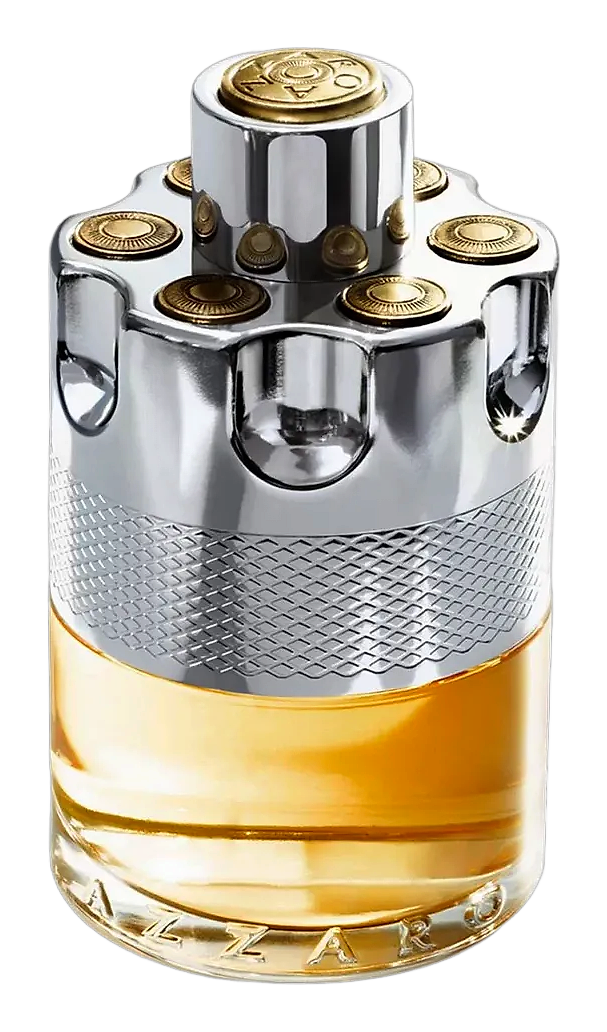
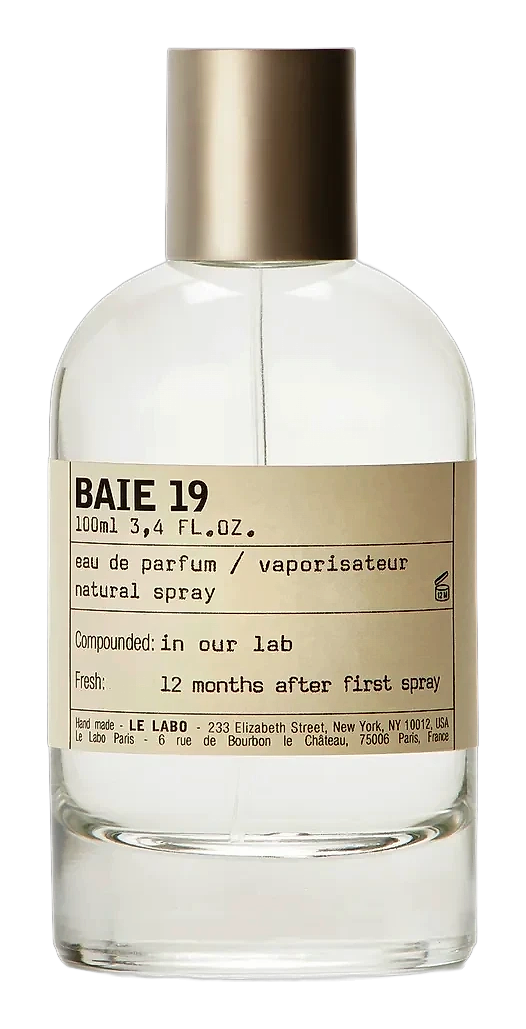
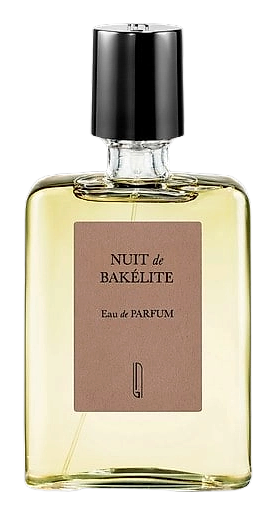
Fragrances featuring Cade Juniper Wood
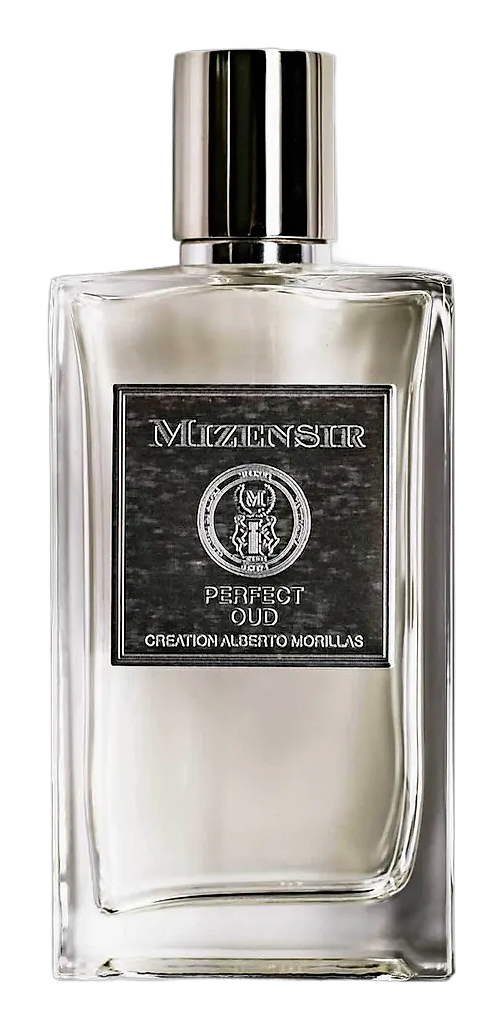
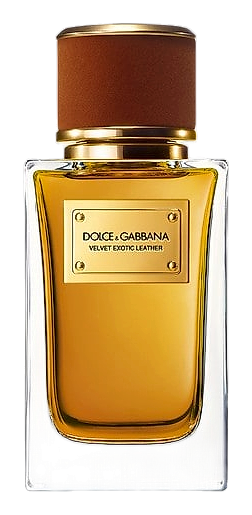
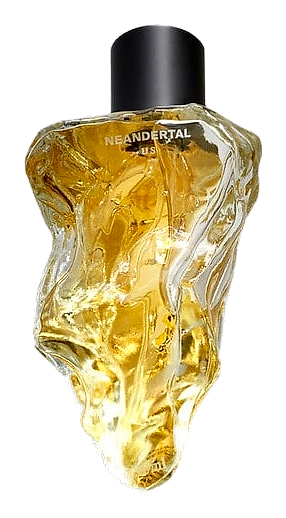
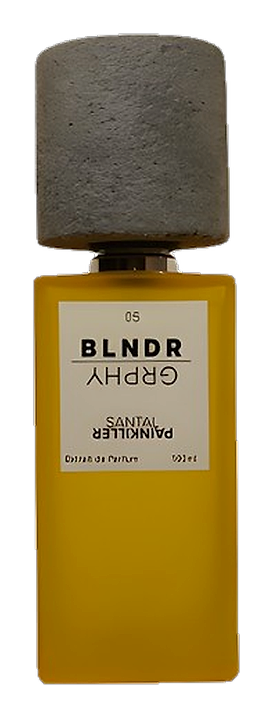
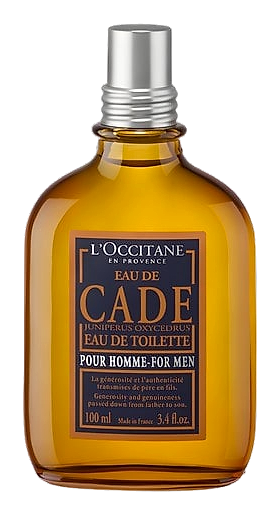
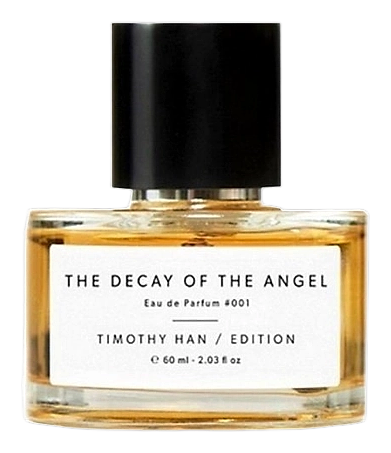
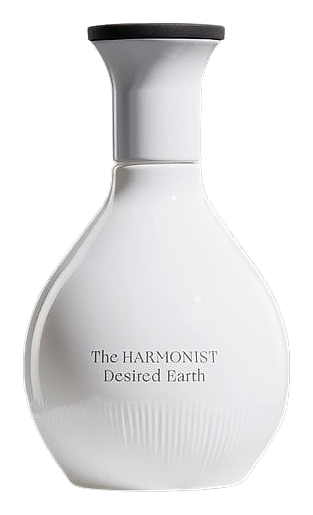

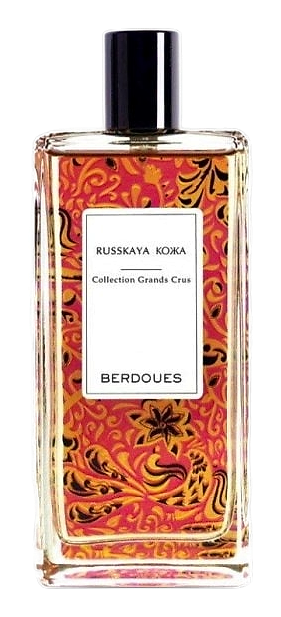
Brands
Brands known for Cade Juniper Wood
Good to know
Questions, answered
The essentials on Cade Juniper Wood in perfumery: how it smells, where it comes from, and how it behaves on skin.
What does cade juniper wood smell like?
Cade smells intensely smoky and tar-like, with charred wood, dry leather, and a faintly phenolic medicinal edge. It reads as woodsmoke from green wood rather than sweet incense, giving compositions a rugged, campfire character.
How is cade oil extracted?
Producers use destructive distillation, burning juniper wood in oxygen-limited chambers at high temperatures to release a dark tar. This crude material is often steam-rectified afterward to produce a cleaner oil suitable for fragrance work.
Is cade oil safe in fragrance?
Rectified cade oil is used at low concentrations in fine fragrance. IFRA restricts crude cade oil derived by pyrolysis due to polycyclic aromatic hydrocarbon concerns, so perfumers rely on refined grades only.
Where does cade juniper grow?
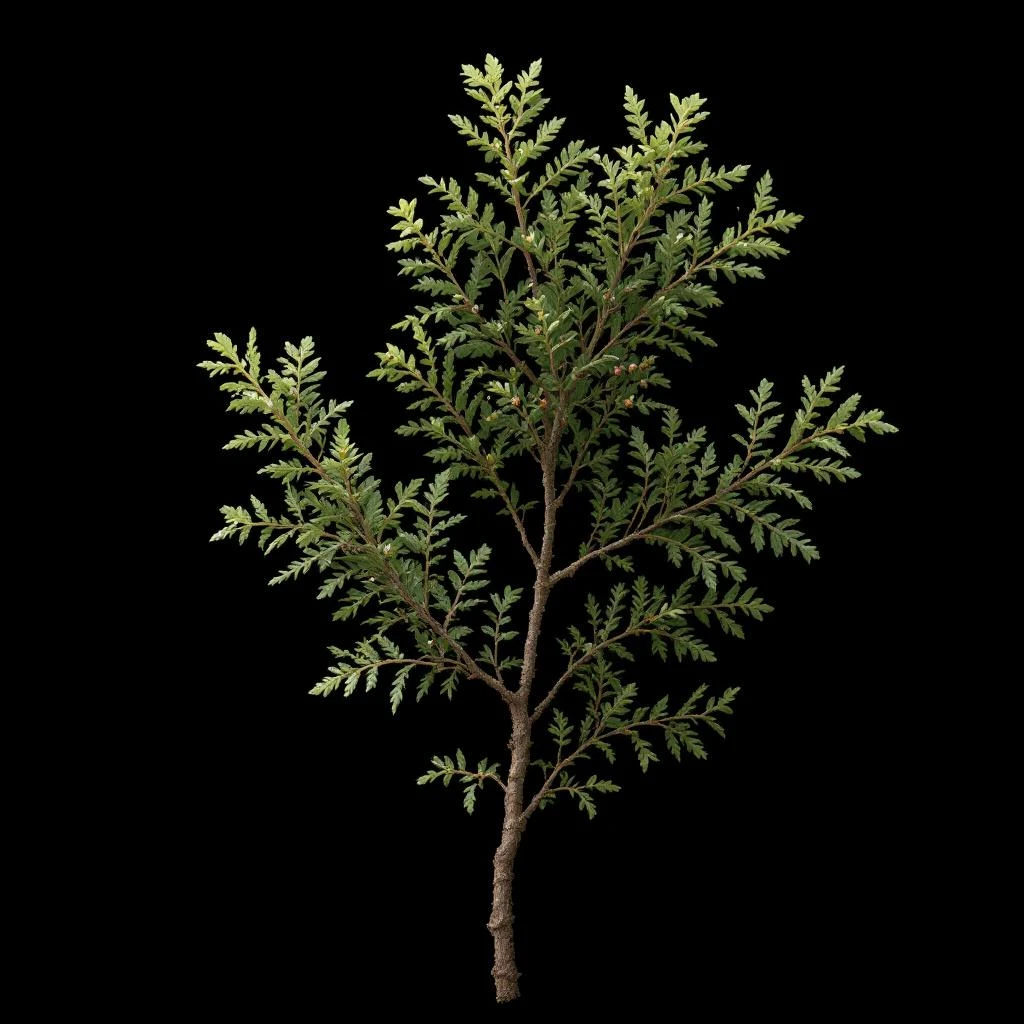
Juniperus oxycedrus grows wild across the Mediterranean basin, with major harvesting occurring in southern France, Spain, and parts of North Africa. The tree thrives on dry, rocky, sun-exposed slopes.
What fragrances use cade oil?
Cade appears most often in woody, smoky, and leather-driven masculine compositions, particularly those built around fougère or oriental structures. It anchors the drydown of several heritage French fragrances seeking genuine woodsmoke depth.
What is the difference between cade and regular juniper oil?
Juniper berry or juniper branch oils come from steam distillation and smell crisp, gin-like, and coniferous. Cade oil comes from burning the wood, producing a dark, smoky, tar-like aroma entirely different in character.
Is cade a natural or synthetic material?
Cade is a natural material, though unusual among naturals because pyrolysis replaces conventional extraction. The smoky signature depends on the burning process itself, which no synthetic pathway fully replicates.
Why is cade oil restricted by IFRA?
Crude cade oil contains polycyclic aromatic hydrocarbons formed during pyrolysis. IFRA limits its use because of these constituents, which is why refined or rectified grades are the standard in modern perfumery.