
The Story
Why it exists.
The beginning
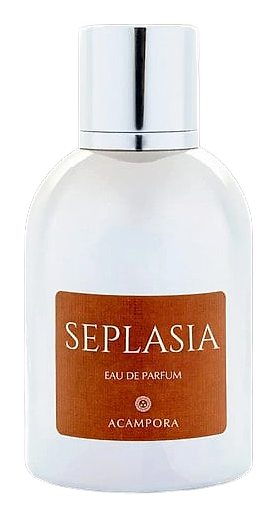
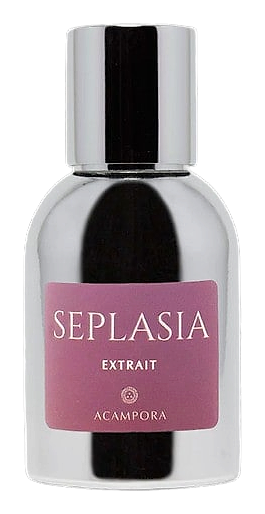
Seplasia begins with a historical reference rather than a modern invention. Its official story points to an oil in great demand in ancient Rome, an essence brought into the present through a floral bouquet and a connection to Capri. The island has the kind of pull that makes a perfume feel like a remembered holiday, even if you have never been there. Bruno Acampora's extrait takes that idea and dresses it for now, balancing Neroli, Rose, Jasmine, Geranium, Tuberose, and Violet with the brightness of Bergamot and Lemon. Coriander and Patchouli bring a darker thread through the brightness, while Rosewood, Vetiver, and Ylang-Ylang keep the composition grounded. It is history with its sleeves rolled up.
The composition's character comes from the friction between opposites. Citrus lifts the opening, white florals make it luminous, and Patchouli introduces an earthy shadow that stops the bouquet from floating away. Musk softens the middle without making it vague, while Ylang-Ylang brings a creamy, sensual depth beneath Rose and Jasmine. Rosewood and Vetiver anchor the finish with wood and earth. The result is familiar floral language arranged in a less predictable way, somewhere between a garden after rain and sun-warmed stone.
The evolution
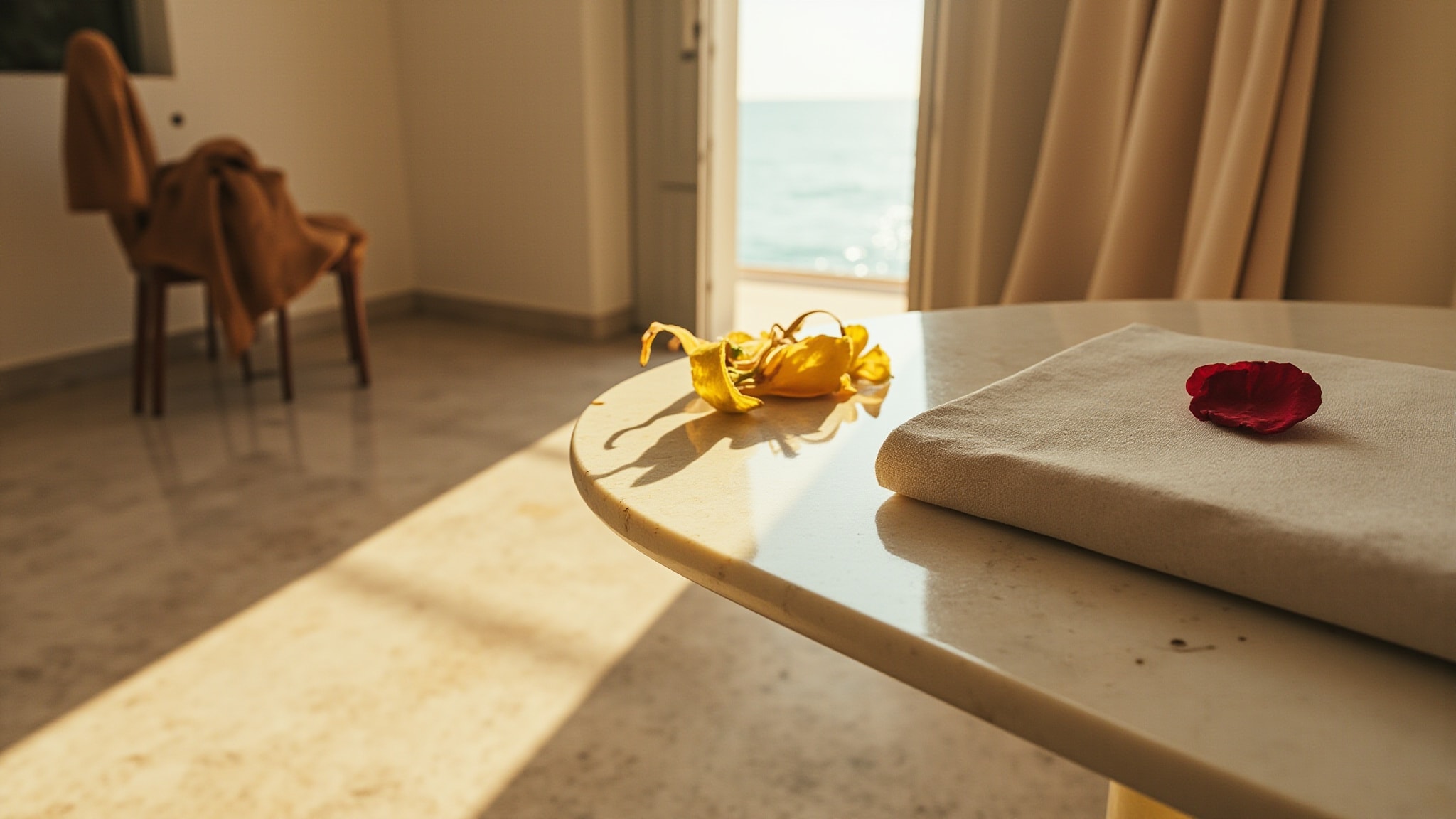
The opening has the clean snap of lemon and bergamot, quickly lifted by Neroli and Geranium. Then the floral heart gathers weight: Jasmine, Rose, Tuberose, and Violet move together like a bouquet filling a sunlit room, while Coriander adds a green, peppery edge and Musk gives the composition a skin-close softness. Patchouli is the turn beneath the petals. As the bright materials recede, the darker note becomes more apparent, bringing an earthy, almost humid quality to the drydown. Rosewood and Vetiver leave a woody, mineral trail, with Ylang-Ylang keeping the final hours smooth and warmly floral. On skin, it reads less like a single flower and more like a Capri afternoon changing hour by hour, settling close with the drydown of clean earth, wood, and skin-warmed petals.
Cultural impact
Seplasia belongs to the register of art perfume and Mediterranean nostalgia, where a fragrance can carry a historical idea as readily as a memory of a particular place. Its Roman oil reference and Capri association place it alongside scents that treat perfume as a small piece of cultural memory, while the modern composition keeps that history wearable rather than nostalgic. It appeals most to people drawn to floral scents with an intellectual edge: the surface is bright and elegant, but the structure keeps one foot in the earth.