
















Heritage
A house, in its own words
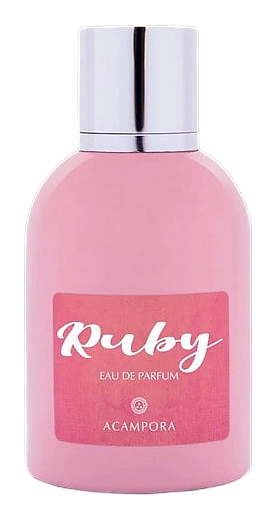
Founded in 1974, Acampora Profumi emerged from a chance encounter on the sun‑kissed shores of Saint‑Tropez. Bruno Acampora, then a fashion insider from Naples, met a French sensualist who urged him to translate his love of style into scent. Inspired, Bruno returned to his hometown, opened a modest laboratory in the family’s historic workshop, and began producing fragrances that reflected his Mediterranean roots. The early years saw the brand quickly attract the attention of Italy’s creative elite. Friendships with Gianni Versace and Andy Warhol turned the studio into a gathering place for artists who appreciated Bruno’s willingness to experiment with rare ingredients and bold structures. By the late 1970s, the house released its first signature musks, a nod to the era’s fascination with sensual, long‑lasting accords. Throughout the 1980s and 1990s, Acampora expanded its palette, introducing floral extracts, citrus blends, and woody compositions that retained the founder’s insistence on hand‑blending. The 2000 release of Jasmin T, an extrait de parfum, marked a turning point, showcasing the brand’s capacity to craft complex, layered fragrances without relying on mass‑production shortcuts. In the 2010s the house embraced a new generation of collectors, launching limited editions such as Courser and Ruby. Each launch reaffirmed the original promise made on a French beach: to create perfume as an act of personal expression, not as a commercial commodity. Today, more than four decades later, the Naples laboratory still operates under the same family ownership, preserving the intimate atmosphere that defined its origin. Bruno Acampora treats perfume as a dialogue between memory and material. The brand believes that scent should capture a moment—whether a summer evening in Capri or the pulse of a Milan runway—and then let the wearer reinterpret it. Rather than following seasonal trends, the house follows a personal compass, choosing ingredients that resonate with the founder’s own experiences. Creativity springs from a respect for tradition paired with a willingness to push boundaries. The house favors rare botanicals, vintage musks, and unconventional accords, arranging them in structures that reveal new facets over time. This approach gives each fragrance a distinct personality, encouraging collectors to view a bottle as a living companion rather than a static product.