
The Story
Why it exists.
The beginning
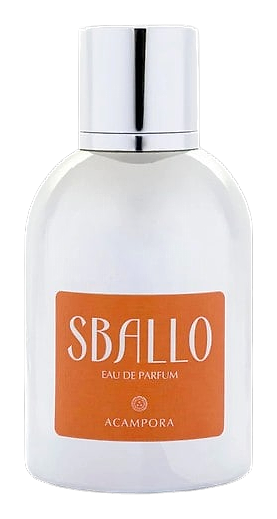
The name says it all. In Italian, sballo means a high, that rush of elation when everything aligns. Giovanni Varon built Sballo around that concept: not a fleeting spark, but a sustained warmth that deepens the longer you wear it. Launched in 2012 as part of Bruno Acampora's philosophy that scent should capture a feeling, not just a season. This is the house that treats perfume as dialogue between memory and material, and Sballo is that conversation at full volume.
The combination of geranium and hay is unusual territory. Where most fragrances use green notes as a brief opener, Sballo lets that herbal quality linger, threading through the heart and emerging again in the drydown alongside sage and vetiver. The resins don't arrive to replace the freshness; they arrive to deepen it. Sandalwood provides warmth without creaminess. Musk provides intimacy without sweetness. It's a composition that resists the expected handoff from top to base, keeping the wearer in a kind of aromatic ambiguity for hours.
The evolution
The opening announces itself with a green sharpness, geranium's medicinal bite cutting through like air before rain. Neroli and rose sit beneath, not soft but purposeful. Within the first hour, the florals quiet and the resins emerge: warm, almost cooling, like incense settling into a room. The musk arrives by hour two, wrapping everything in closeness. But the real story is the base. Hay and sage define the drydown, with vetiver grounding it all. The scent lingers on the skin, long enough that you find yourself noticing it again and again throughout the day, the kind of longevity that makes you realize why you chose it in the first place.
Cultural impact
Sballo occupies a particular corner of niche perfumery, aromatic enough to be distinctive, warm enough to be wearable, long-lasting enough to reward commitment. It is the kind of fragrance that attracts people who have moved past safe choices, those drawn to complexity without showiness and to scents that ask something of the wearer.