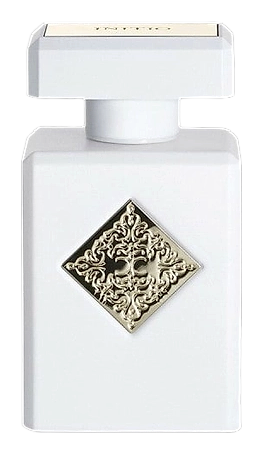

The Story
Why it exists.
The beginning
Musc Moka was born from the simplest of rituals, the morning moka pot. In Naples, that ritual isn't just about caffeine. It's the smell of someone already awake when you stumble to the kitchen, the windows already open to the Mediterranean light. The idea that certain smells carry entire cities inside them runs through this fragrance like a vein. The musks came next, because that's what the house does, finds the animalic warmth underneath things, the pulse. Coffee plus musk. Two intensities, one conversation.
What makes this work is the restraint in the heart notes. Tuberose can be overwhelming, and here it's threaded with orange blossom and amber, which soften it, make it edible rather than heady. The jasmine does similar work: it's there, it's present, but it steps aside for the coffee to lead. The base is where Naples shows up again, patchouli with its earthy depth, vanilla that brings sweetness without heaviness, sandalwood that adds a creamy, quiet presence. These elements together make the whole composition feel considered and complete.
The evolution
The first ten minutes belong to coffee and musk, together. It's dark, slightly bitter, with a mineral quality that reads almost medicinal, the smell of a pharmacy shelf, then a café. As the florals begin to surface, jasmine arrives first, then a tuberose that settles in heavy and cream-colored, as if someone opened a greenhouse door. The rose is quietest, more a warmth than a distinct note. The drydown gradually settles into vanilla and patchouli, with sandalwood staying close to the skin. The coffee never fully disappears. It lingers underneath, occasionally surfacing when you move. Eventually it settles into something warm and slightly sweet, intimate and close.
Cultural impact
Coffee and musk have become defining notes in contemporary niche perfumery, with coffee fragrances establishing themselves as a serious category. Musk has transformed from background fixative to the star of the show, gaining prominence with the rise of skin-close scents. Bruno Acampora represents a bridge between traditional Italian perfumery and this new sensibility. The house's Mediterranean roots give Musc Moka a warmth and naturalism that distinguishes it from more synthetic interpretations.