The Story
Why it exists.
The beginning
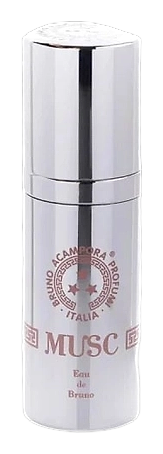
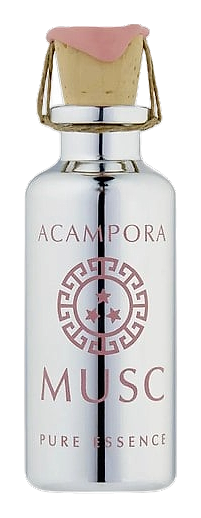
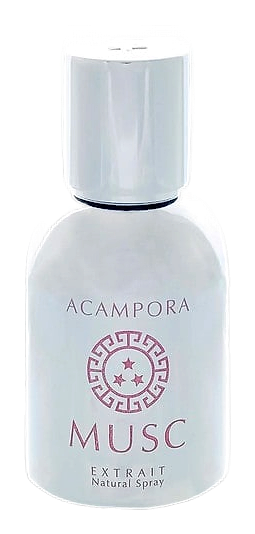
Bruno Acampora built his workshop on Via San Gennaro in Naples, drawn to the city's sensory richness, lemon groves, volcanic earth, the sea. In 1974, a chance encounter in Saint-Tropez with a French perfumer gave him the final push. The suggestion was simple: translate the Mediterranean into scent. Acampora took it seriously. Musc came from that instinct, not from market research, not from trend forecasting. The name says it all. Musk, for Acampora, wasn't a base note. It was the point. In Renaissance Naples, musks arrived via Venice, traded from distant markets, coveted by courts. Acampora wanted that history without the nostalgia. So he built around it, jasmine for depth, rose for warmth, sandalwood to ground it, amber to extend it. The Extrait came later, in 2010. Same composition, but the higher concentration lets the flowers and spices breathe longer. The seduction takes its time.
In the Extrait form, more concentrate means more material to work with. The jasmine absolute and rose petal notes have more volume, more presence. They don't rush. Where a perfume oil might zip through its phases, the Extrait lingers. The clove note, warm, almost numbing, integrates differently at higher concentration. It doesn't spike and fade. It threads through. Violet appears too, often overlooked in musky compositions, but here it adds a waxy softness that balances the sharper spices. The vanilla, present in trace amounts, never dominates. It sweetens the drydown just enough. This is what separates the Extrait from its sibling concentrations: patience.
The evolution
The opening is clove and amber, resinous, immediate, slightly sharp. No apology. Then the jasmine arrives, warming the spice rather than softening it. Patchouli emerges within the first minutes, earthy and grounding. The lavender keeps the top from becoming too heavy, adding a brief herbal clarity. Around the thirty-minute mark, the florals take over. The rose and violet create a powdery softness, the kind that makes skin smell like something warm and familiar. The musk announces itself fully in the drydown. Not clean musk, this is deeper, closer, the kind that comes alive against skin. Sandalwood adds creaminess. Amber and vanilla hold the warmth. Lasts four to six hours depending on skin chemistry, with moderate sillage that rewards proximity over projection.
Cultural impact
Musc by Bruno Acampora draws from traditions of Mediterranean perfumery where animalic and spicy accords have long been valued for their depth and sensuality. The fragrance belongs to a lineage of Italian houses that preserved ancient aromatic techniques, particularly the use of natural musk and warm spices like cloves. Acampora's interpretation reflects a broader revival of interest in vintage-style oriental fragrances during the late 20th and early 21st centuries. The patchouli and amber base connects it to counterculture perfume movements while remaining sophisticated enough for contemporary wear. This scent has become a reference point for those seeking bold, characterful perfumes that avoid mass-market sweetness.