
The Story
Why it exists.
The beginning
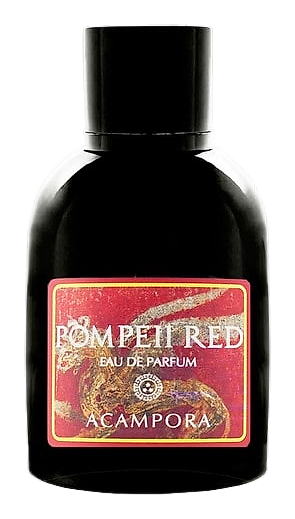
The name is the concept: volcanic heat, buried warmth, a city frozen mid-breath. Miguel Matos designed Pompeii Red to capture the moment before everything changes, when spice and sweetness collide and the ground itself seems to shift. Released in 2021, it arrived in a fragrance landscape obsessed with safety, and it did the opposite. The official description says it was made for those who want to stand out, become label-free, and let their creativity explode. That's not marketing copy. That's the brief.
The carnation here isn't a supporting player, it's the entire point. Matos has always pushed materials past their expected role, but in Pompeii Red he gives carnation a platform it rarely gets: center stage, full volume, no apology. Set against a chypre architecture of oakmoss and civet, the florals don't soften the spice. They complicate it. What could have been a straightforward warm spicy becomes something harder to place, floral enough to seduce, animalic enough to challenge. Peru Balsam and vanilla in the base don't sweeten the deal. They deepen it.
The evolution
The opening hits fast: clove and cinnamon with a citrus brightness that reads almost medicinal before it settles. Within minutes the carnation arrives, not gently, not gradually. It announces itself. The jasmine and lily of the valley try to temper it but they're outnumbered. By the second hour the civet emerges, not as a surprise but as confirmation: this was always going there. The drydown is where Pompeii Red earns its name. Oakmoss and vanilla create a mossy warmth that lingers close to the skin, the kind that someone standing near you will question, in a good way. Eight to ten hours on most skin types. It doesn't fade so much as exhale.
Cultural impact
Pompeii Red sits in an interesting corner of the market: it has the structure of a classic chypre but the attitude of something made for people who've worn everything and are bored by safe. The carnation-forward approach draws comparisons to vintage Diorella or Clinique Aromatics Elixir, but the civet and spice give it a different register entirely. It's the kind of fragrance that generates strong opinions, wearers either evangelize or walk away, and both reactions are valid. What it has done is remind people that chypre doesn't have to feel like a museum piece.