
The Story
Why it exists.
The beginning
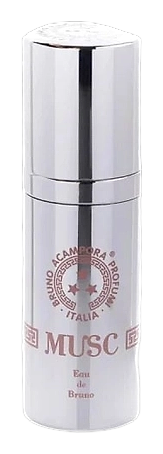
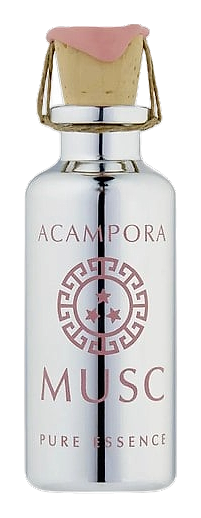
Musc arrived in 1975 as a statement. The house had been open a single year when Bruno Acampora released what would become his signature work. The official description says it plainly: if you want to go unnoticed, don't touch Musc. That line wasn't marketing copy. It was a warning and a promise in the same breath. The fragrance wears its intentions openly, golden as pure resins, sweet in ways that shift as the hours pass. At first spray, the clove opens sharp and warm, prickling against the skin with an almost tactile heat. The rose and violet emerge quickly, their powdery softness tempering the spice into something rounder, more intimate. As the top notes soften, the jasmine and amber layer in, creating a honeyed warmth that feels sunlit rather than heavy.
What makes Musc interesting isn't complexity, it's focus. The pyramid is built around a single idea: what happens when musk becomes the main character instead of the supporting act? Every note amplifies the musk rather than competing with it. The clove doesn't just add spice, it makes the musk feel warmer. The sandalwood doesn't just add cream, it makes the musk feel closer to skin. Rose, violet, jasmine, amber, patchouli, vanilla, lavender, they're all present, but they're here in service of something larger.
The evolution
Musk opens first. Not the clean detergent musk of modern formulations, this is something older, richer, with a slight animal edge that registers as warmth rather than anything harsh. The lavender arrives quickly, adding a green-soapy clarity that makes the opening feel crisp, almost medicinal for the first five minutes. Then the warmth kicks in. Clove and amber emerge from the heart, turning the composition toward spice and resin. Rose and violet appear as the top notes begin to settle, lending a powdery floral quality that softens the animalic undertone. The jasmine shows up late, a whisper of white floral threading through the middle. By hour three, the sandalwood and patchouli have fully arrived. The drydown is where Musc earns its reputation. This is where it stops being a fragrance and starts being a second skin. The musk doesn't disappear, it deepens, becoming less about scent and more about presence. Patchouli adds earth, sandalwood adds cream, and the whole thing settles into something that lasts until you wash it off. On fabric, it lingers for days.
Cultural impact
The Sunday Times called it the sexiest perfume in the world. That label has stuck for decades, not through advertising spend but through reputation. Musc exists in a category of its own, too bold for some, too iconic for others to resist. It's a reference point in conversations about animalic musks, a touchstone for what that category can achieve at its most uncompromising. What makes it culturally significant isn't just its character but its longevity: a 1975 fragrance still discussed, still sought, still worn by people who found it decades after launch.