The Story
Why it exists.
The beginning
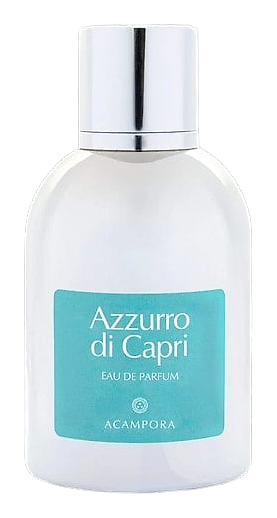
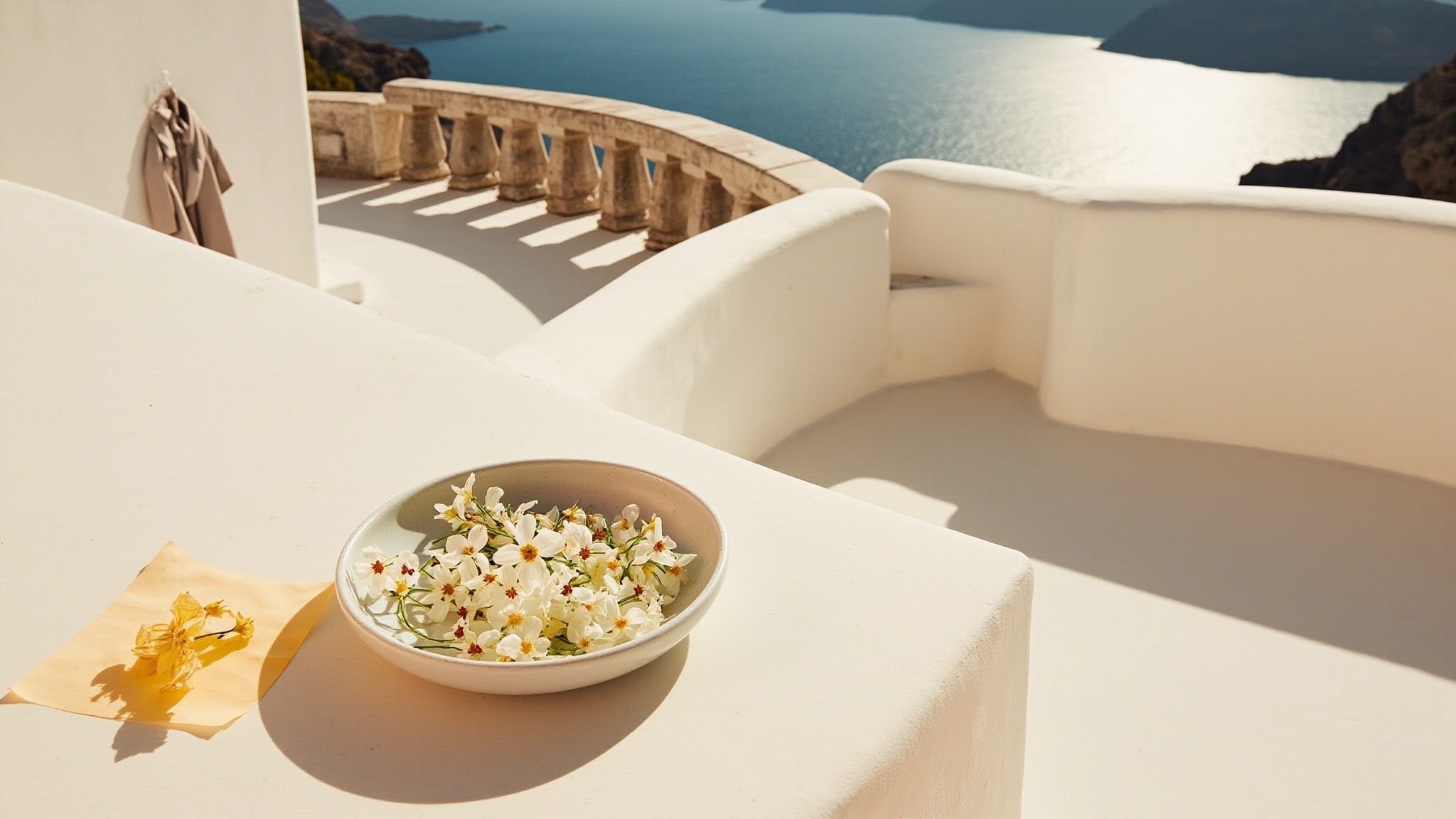
Azzurro di Capri arrived in 2016 as Bruno Acampora's letter to the island that has defined Mediterranean aspiration for decades. Capri isn't just a destination, it's a state of mind. Azure waters, whitewashed villas tumbling toward the sea, jasmine growing wild over ancient stone. Acampora, the Naples-born perfumer who built his house on the warmth and daring of a 1970s creative circle, wanted to bottle that specific light. Not the tourist Capri. The other one, the Capri that exists in the hour before everyone else wakes up, when the terraces are yours alone and the sea hasn't decided between blue and green yet.
The structure is deceptively simple: citrus top, white floral heart, woody-musk base. But the execution earns its reputation. That jasmine isn't a whisper, it's the dominant voice, which makes the bergamot and mandarin feel less like an opening act and more like a genuine conversation between brightness and fullness. Patchouli appears in the heart, not the base, which is unusual. It threads the florals together, keeps them from floating away into abstraction. The result is a fragrance that feels both sun-drenched and grounded, Mediterranean without cliché, floral without fragility.
The evolution
The top notes hit immediately, bergamot's sharp citrus bite softened by mandarin's sweetness, with jasmine already pushing through before the opening fully settles. Within twenty minutes, the citrus recedes and the white florals take command. Orange blossom dominates the next three to four hours, but it's not solitary, lily of the valley adds a cool, slightly green counterpoint, and patchouli threads through like a quiet anchor. The drydown is where this fragrance earns its reputation. Around hour five, musk rises to meet cedar and amber. The florals don't disappear, they deepen, become something warmer, skin-adjacent rather than skyward. On fabric, it lasts into the next day.
Cultural impact
Azzurro di Capri occupies a specific corner of the fragrance world: the person who wants Mediterranean warmth without smelling like every other Mediterranean fragrance. It sits apart from the coastal citrus category, not aquatic, not marine, not aquatic. The jasmine-forward composition appeals to those who want white florals but find tuberose overwhelming. Strong sillage and eight-hour longevity make it a favorite among wearers who want a fragrance that works as hard as they do. Rarely compared to mainstream Mediterranean scents, it tends to attract people who've exhausted the obvious choices.