
The Story
Why it exists.
The beginning
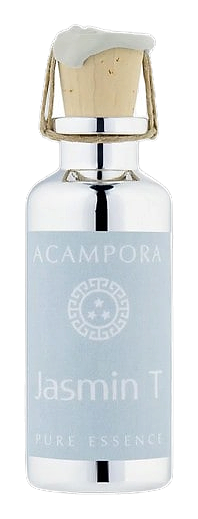
Giovanni Varon created Jasmin T in 1978 with a single conviction: jasmine deserved better than politeness. The Italian perfumer wanted to bottle the flower not as a decorative note but as a presence, something that arrived with intention and stayed with purpose. The name says it all: T for Totale, Pure Essence. Not jasmine as a supporting player in some elaborate composition, but jasmine as the entire argument. What emerged was a fragrance that refused the era's trend toward safe, skin-close florals. Instead, it went loud, went raw, and went long.
The note structure tells you everything about the intent. Jasmine sits at the top, unadorned, allowed to express its full indolic character. Cyclamen adds a slightly green, almost aquatic lift that keeps the opening from being purely sweet. Cloves provide warmth from the start, a counterweight to the flower's brightness. And ylang-ylang, in the base, does what ylang-ylang does best: it deepens the sweetness into something richer, more resinous, almost honeyed. The result is a pyramid where every layer reinforces the same message: this is jasmine without apology, and the warmth is not an afterthought. It's the point.
The evolution
The opening is all presence. Jasmine doesn't whisper here, it arrives at full volume, filling the space around you with something close and intense. This phase lasts roughly an hour, and it's not subtle. Those expecting a gentle floral will find themselves recalibrating. Then the cloves step forward. The spice cuts through the flower's sweetness, adding dimension where most jasmine fragrances would simply fade. Cyclamen provides a brief green accent, a moment of cool before the warmth takes over completely. By hour three, the ylang-ylang has settled in. The drydown is warmer still, that clove-and-ylang combination becomes something almost resinous, like the memory of jasmine rather than the flower itself.
Cultural impact
Jasmin T occupies an unusual position in the floral landscape, a jasmine fragrance that refuses to be safe. While other houses softened their florals in the late 1970s, Acampora went the opposite direction, leaning into the flower's more challenging qualities. The result is a fragrance that still divides opinion today, which is exactly the point. It's not trying to please everyone. Those who love it tend to love it deeply, returning to it year after year as a reference point for what jasmine can be when it refuses to compromise.