
The Story
Why it exists.
The beginning
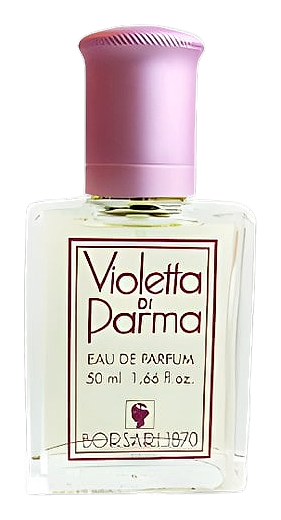
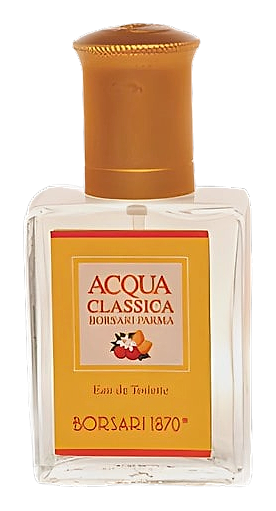
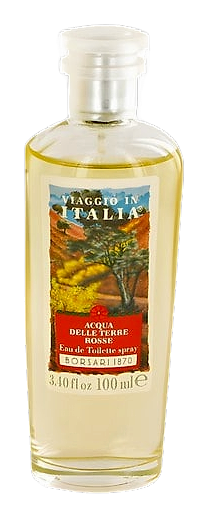
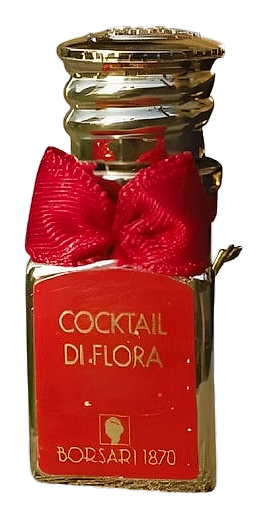
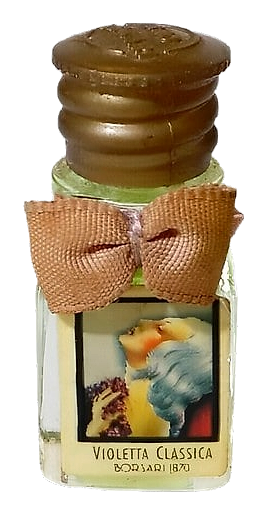
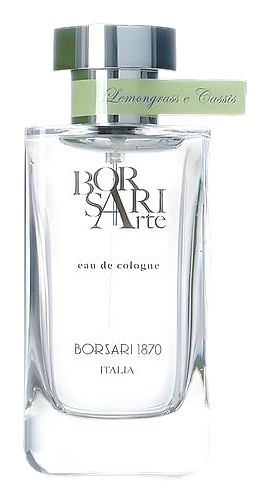
Eros arrived in 1908 from Borsari, a Parma-based house. The launch came at a time when the brand was already producing compositions for a specific kind of wearer, someone who wanted fragrance close to the body and close to grooming ritual, the kind of scent that felt assembled rather than accessorized. That positioning shaped everything about how Eros was constructed and named. Naming a fragrance Eros in 1908 was a deliberate choice. The name carries obvious Greek weight: love, desire, attraction. In the context of an early 20th-century Italian cologne house, it carried a different kind of authority. There is nothing delicate about the name. It states intent.
What makes Eros worth smelling in a century-old context is how the fragrance behaves once it's on skin. It moves through phases with the kind of unhurried logic you find in compositions built before synthetic aromachemicals became the default toolkit. The bright opening gives way to a softer, more rounded middle, and the base lingers in a way that rewards returning to the scent an hour or two later. Each transition feels intentional, not accidental. That structure, opening bright, settling into warmth, finishing in something close and skin-adherent, is what gives Eros its particular character.
The evolution
Eros opens on the bright end. The first impression is unmistakably citrus, clean, sharp, and almost bracing in its clarity, the kind of opening that announces the fragrance before you've had a chance to process what you're smelling. If you only catch Eros in its opening phase, you've only met the prologue. Soon after, the citrus begins to settle, softening into something warmer without ever fully disappearing. A floral register takes over, less a dramatic shift than a slow handoff, and the scent enters its middle phase. This is where Eros feels most distinctive on skin, warm, soapy, slightly herbal, with a powdery undertone that pulls the composition inward. It sits close to the skin rather than projecting outward, and that intimacy defines the wear. Later, the base settles in and stays.
Cultural impact
Eros belongs to a category of early 20th-century men's colognes that were never built to chase fashion. These were compositions made close to the wearer's skin, close to grooming ritual, and the craft was the point. Eros carries that same instinct: the scent wears the way it was composed, close, considered, and uninterested in proving anything. It is a cologne for someone who treats fragrance as personal rather than performative, and who prefers an old composition from Parma to whatever the latest launch is offering. There is something quietly radical about that approach now.