
The Story
Why it exists.
The beginning
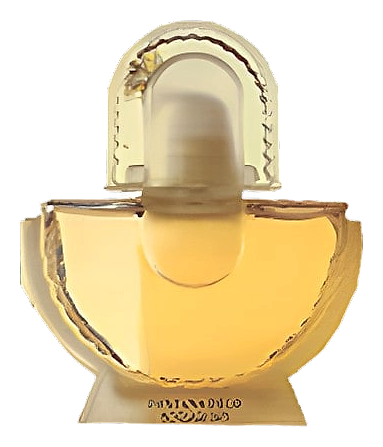
The name says 1925. Not as a nod, as proof. The fragrance arrived during a period of geometric certainty and stripped-back elegance. The scent opens bright with citrus, lush florals fill the heart, then oakmoss and civet anchor it in something that feels older than any single moment. It wasn't trying to smell natural or delicate. It wanted to smell designed, intentional, composed with purpose. This was a fragrance built for a decade that had opinions.
What makes this composition unusual is the willingness to let dissonance resolve into warmth rather than comfort. The galbanum opening is sharp, genuinely green, almost astringent, before the peach softens it. The civet in the base isn't hidden; it's the structural opposite of the citrus, the thing that stops the fragrance from becoming purely decorative. Add vanilla and amber underneath, and you get warmth that earns its sweetness rather than announcing it. That's the 1925 logic: contrast as sophistication, not conflict.
The evolution
The opening hits fast, bergamot and lemon arrive bright and clear, the lime sharpens them, then peach adds something soft and unexpected. Galbanum threads through, green and almost metallic. Rosewood warms the edges. The initial layers then give way. The heart takes its time. Ylang-ylang opens, rich and tropical. Jasmine joins, creamy. Rose adds its powdery weight. Boronia brings something honeyed, slightly animalic. Sandalwood and cinnamon create a spiced wood base, this is where the fragrance becomes dense, intentional, almost architectural. It holds here for a substantial duration. The drydown is where Fontana Deco earns its age. The florals fade. The oakmoss arrives, earthy, deep, the classic chypre anchor. Civet rises, warm and animalic without being aggressive. Amber and vanilla soften everything.
Cultural impact
Launched in 1925, Fontana Deco arrived during the height of the Art Deco movement. Italian perfumery was developing distinct character during this period. Borsari 1870 built its reputation during this era, and Fontana Deco represented a bold statement: an Italian chypre with its own identity. The fragrance embodied geometric confidence and stripped-back elegance, using animalic materials like civet and oakmoss that defined serious perfumery of the time. Today it remains a significant composition in the chypre tradition, appreciated for its historical character and structural complexity.